
Practical guide • Updated October 11, 2026
A mountain lookout can sound like a simple destination until different people picture very different walks. One visitor wants a short outing with time to sit and watch. Another expects a challenging route. A third needs an accessible path. A better Hawk Mountain day trip begins by identifying which experience the group actually wants.
For Schuylkill County readers, Hawk Mountain offers a day-trip idea worth planning carefully rather than treating as a spontaneous dash to an overlook. This guide uses the sanctuary’s official trail information for a few essential facts and adds an original visit-planning workflow. Confirm current admission, hours, conditions and policies directly with Hawk Mountain before leaving; old social posts and general travel descriptions may omit important details.
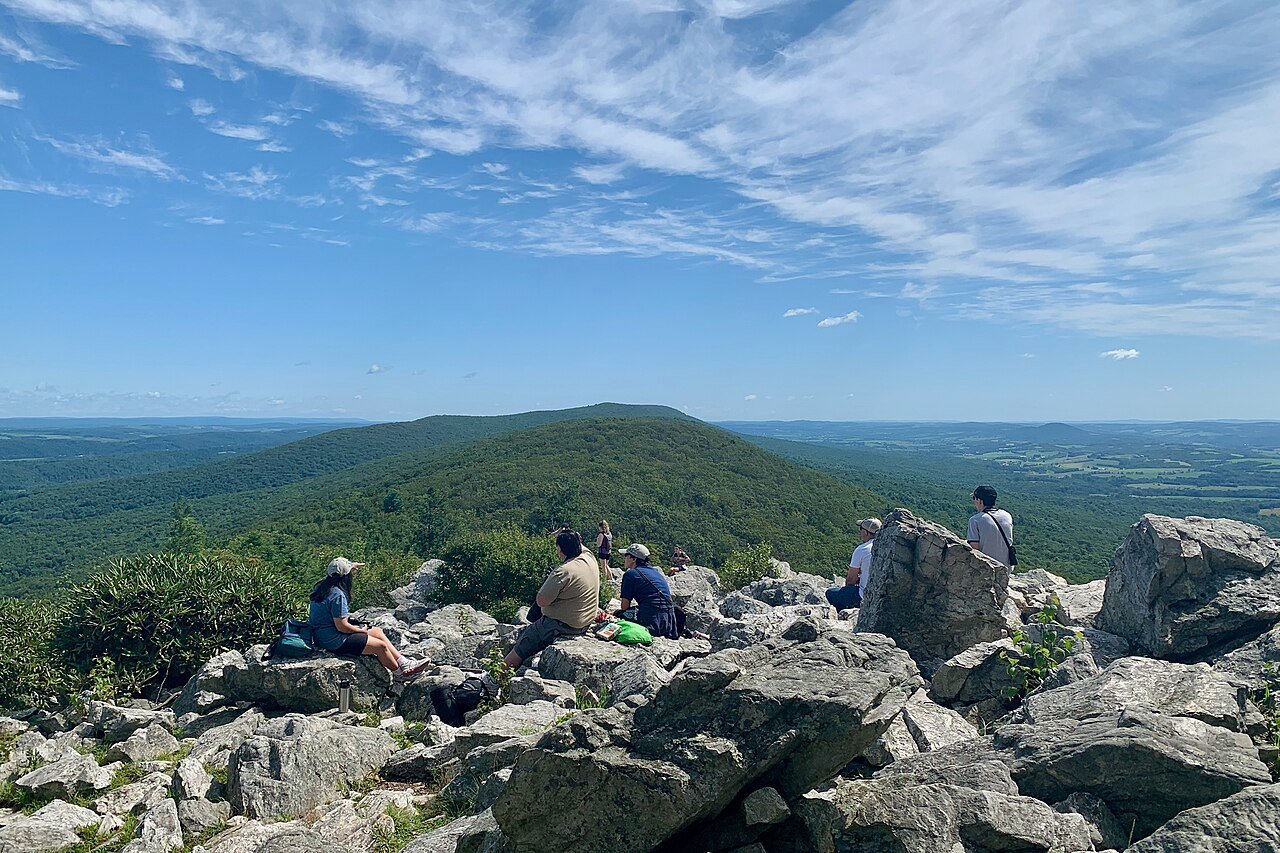
Featured illustration: Illustrative stock photograph. Photo by Alina Fedorchenko / Unsplash. The image does not identify a local property or location.
Decide what kind of day you want
Ask everyone in the group what matters most. Is the goal a lookout visit, a longer hike, time observing birds or a gentle introduction to the destination? Agreeing on the purpose prevents one person’s ambitious route from becoming everyone else’s unexpected challenge.
Consider the slowest comfortable pace and the least experienced person. A group trip should work for the people who are actually attending. If interests differ substantially, choose a shared modest outing or make separate plans with clear arrangements rather than splitting casually on the trail.
Write down the preferred experience in one sentence. “Short lookout visit with time to sit” is a usable plan. “See everything” is not. The sentence helps you choose the route, equipment and schedule without adding extra stops simply because they appear on the map.
Understand the basic trail differences
Hawk Mountain’s official trail descriptions say the trails are rocky and ungraded except the walk to South Lookout. South Lookout is listed as 175 yards from the Entrance Gate. The accessible Silhouette Trail provides an alternative route to South Lookout and is listed as 900 feet long.
The sanctuary describes North Lookout’s boulders as requiring rock scrambling and identifies more demanding routes elsewhere in the network. Those details matter when comparing a short lookout visit with a longer hike. A small map distance should not be treated as a promise of easy footing.
Use the official map and current descriptions to choose deliberately. Do not turn this overview into a detailed navigation substitute. Identify the route you intend to follow and the way you will return before starting, and follow current posted guidance at the site.
Ask accessibility questions before traveling
If someone needs an accessible route or particular assistance, contact the sanctuary with the specific requirement. Ask about the current path condition, approach, facilities and any practical arrangements relevant to the visit. The label “accessible” should begin a useful conversation rather than end it.
Explain the actual mobility equipment or support need so the answer can be specific. A person who can manage a short firm path with assistance may have different concerns from a visitor using another device. Avoid assuming that a description suitable for one person establishes suitability for everyone.
Keep the response with the trip notes and confirm significant uncertainties close to departure. Weather or maintenance can affect an otherwise suitable arrangement. A prepared visit gives the group better options than arriving with a broad assumption and hoping the path matches it.
Check current visitor information
Review Hawk Mountain’s official website for admission, hours and current notices. Confirm the information for the actual date you plan to visit. Special programs or seasonal changes may affect what is available.
Ask about policies relevant to your group, including pets, food, facilities or organized activities. Do not infer permission from another visitor’s photograph. If a policy changes the plan, resolve it before departure rather than trying to negotiate an exception at the entrance.
Save the essential information in a short note you can access during travel. Include the destination, selected route, current requirements and a contact method. Avoid relying on a dozen open browser tabs that may be difficult to find when mobile service is limited.
Build a schedule with room to pause
Allow time for travel, parking, admission, orientation and the outing itself. Do not base the entire day on the fastest walking time you can imagine. A group may need bathroom stops, questions answered and a comfortable pace on unfamiliar footing.
Leave time at the lookout if observation is part of the goal. Arriving, taking one photograph and immediately rushing back can defeat the reason for the visit. Build the schedule around the desired experience rather than fitting the mountain into a gap between several unrelated commitments.
Set a return time that leaves a reasonable margin for daylight and conditions. If the visit runs late, shorten the plan. A schedule should help you make an ordinary adjustment instead of encouraging you to hurry through terrain that deserves attention.
Choose clothing and footwear for the selected route
Match footwear to the actual surface and your own needs. Try the footwear on a suitable shorter walk before relying on it for the trip. A new purchase that feels comfortable in a store may reveal a different fit after sustained movement.
Plan clothing around current conditions and the possibility of change. A lookout stop can feel different from active walking. Bring appropriate layers and weather protection for the outing rather than dressing only for the temperature at the parking area.
Keep the gear manageable. You should be able to move comfortably without loose items interfering with your footing. Pack the things the selected route requires and confirm that each person understands what they are carrying. More equipment is not automatically a better plan.
Bring observation equipment you can use easily
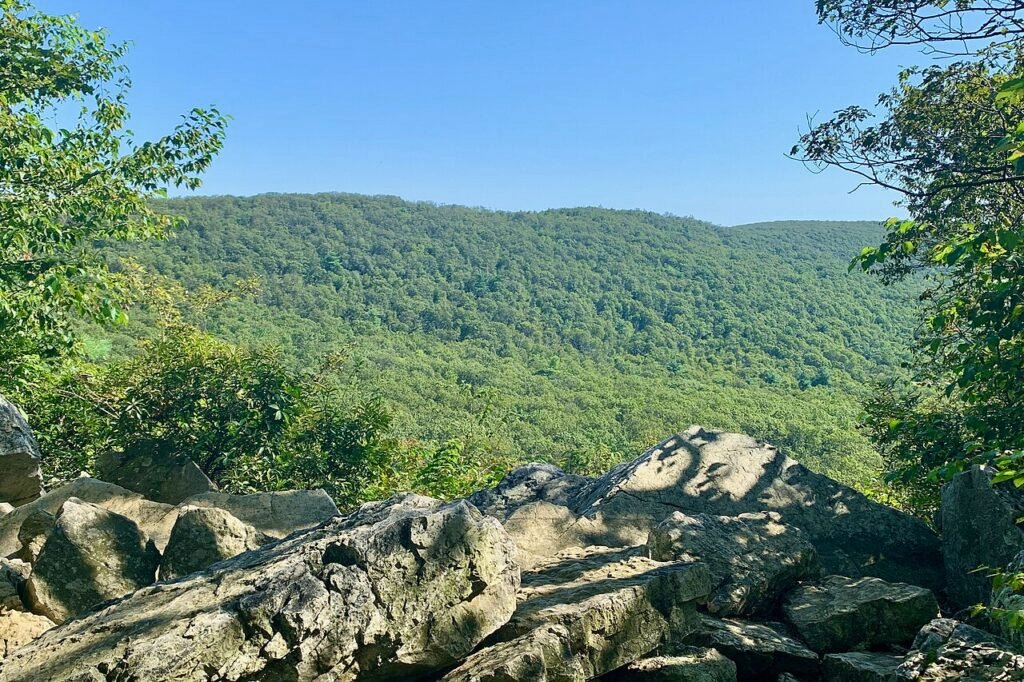
If you own binoculars, learn their basic adjustments before the visit. Check that the strap and lens protection are suitable. Practice locating a stationary distant object in a controlled setting so the equipment feels familiar when you are at the lookout.
Avoid buying expensive optics solely because one outing is on the calendar. Borrowing suitable equipment or beginning with simple observation may help you learn your preferences. Check the sanctuary’s current program information if you want a more guided experience.
Bird activity and visibility vary. Treat the outing as an opportunity to observe rather than a guaranteed sighting of a particular species. A quiet interval can still be useful time outdoors, especially when the group understands that the destination is not a scheduled wildlife performance.
Plan food and water without complicating the visit
Bring supplies appropriate to the selected outing and follow the sanctuary’s rules about where they may be used. Consider individual needs and avoid assuming one generic quantity covers every visitor. Keep any required medication or personal items accessible according to their instructions.
Choose simple food that fits the available storage and handling arrangements. A day trip does not require an elaborate meal plan. Keep the outing manageable and avoid letting a food stop force the group to hurry on the return route.
Carry out waste and keep small packaging pieces secured. Follow posted requirements for facilities and disposal. A prepared bag for ordinary rubbish makes responsible handling straightforward rather than dependent on finding a bin at the exact moment you need one.
Use the map before the junction
Review the official route and key decisions before beginning. Pay attention to posted markers and current guidance. If a junction does not match your expectation, stop and establish your location rather than following another group because it looks confident.
Keep the group together under a clear plan. Agree on how you will handle a pause or a change of route. A person stepping ahead for a photograph should not unintentionally become a separate hiking party without navigation and communication arrangements.
Do not add a demanding extension just because the first part went well. Reassess time, conditions and the whole group’s comfort. Choosing the planned return can be the best decision even when an additional route looks appealing on the map.
Respect other visitors at the lookout
Give people room to observe and move. Avoid placing bags or photography equipment where they obstruct passage. Keep conversation and movement considerate, especially when others are concentrating on observation or interpretation.
Follow staff directions and current site rules. Do not climb into an unsuitable position for a photograph or encourage another person to do so. The view should not become a reason to disregard the condition of the footing or the comfort of someone in the group.
Ask questions at an appropriate time and listen to the explanation. A day trip can be more interesting when you understand what you are seeing, but the value comes from actual observation and current information rather than a checklist of dramatic photographs.
Use a modest first-visit example
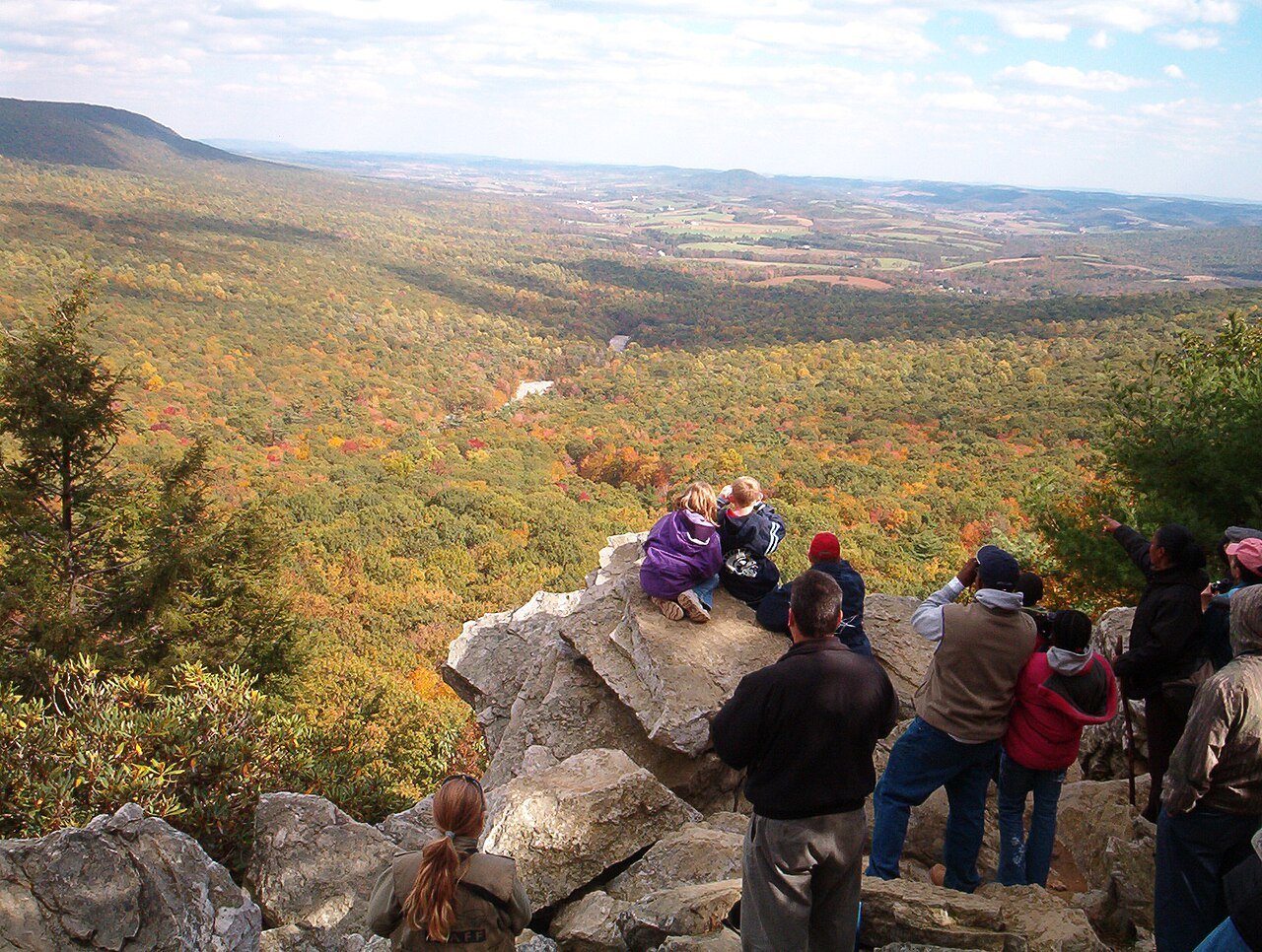
Imagine a group whose main goal is to observe from a lookout rather than complete a demanding hike. The useful preparation is to compare the official South Lookout approaches, confirm any accessibility questions and leave time to settle in once there. The group can keep a longer route for another day after learning how the destination feels.
This plan does not promise a particular sighting or an exact visit length. It gives the day a clear purpose and a straightforward return. A first trip can be successful because everyone enjoyed the chosen experience, even when the group did not cover every trail listed on the map.
Keep the return trip simple
Check that everyone is ready before leaving the lookout. Revisit the return route and watch conditions as you go. Fatigue can change the pace, so allow the margin you built into the schedule to do its job.
After the visit, note what worked: the route, pacing, equipment and questions you would ask next time. Keep observations separate from general claims about what every visitor will experience. One visit can guide your next plan without becoming a universal recommendation.
A well-planned Hawk Mountain day trip starts with the right route for the people attending. Confirm current information, allow time to enjoy the visit and return within the group’s comfort. Find more community and outdoor stories at SkookPA NewZ and use Hawk Mountain’s official resources for the details that determine your actual outing.




0 Comments