
Practical guide • Updated October 11, 2026
An old photograph can start a family-history project with more questions than answers. Who is standing beside the porch? Was the picture taken in Shenandoah or Mahanoy City? Did the family move before the youngest child was born? In Schuylkill County, a name and a town can open a promising trail, but they rarely finish the story by themselves.
Schuylkill County genealogy works best when you move from what you can document toward what you still need to prove. Start with family information, organize it into a timeline and compare records carefully. This SkookPA NewZ guide offers an original research workflow for Coal Region families, with official state resources as starting points. It does not assume every ancestor was a miner or every matching surname belongs to the same household.
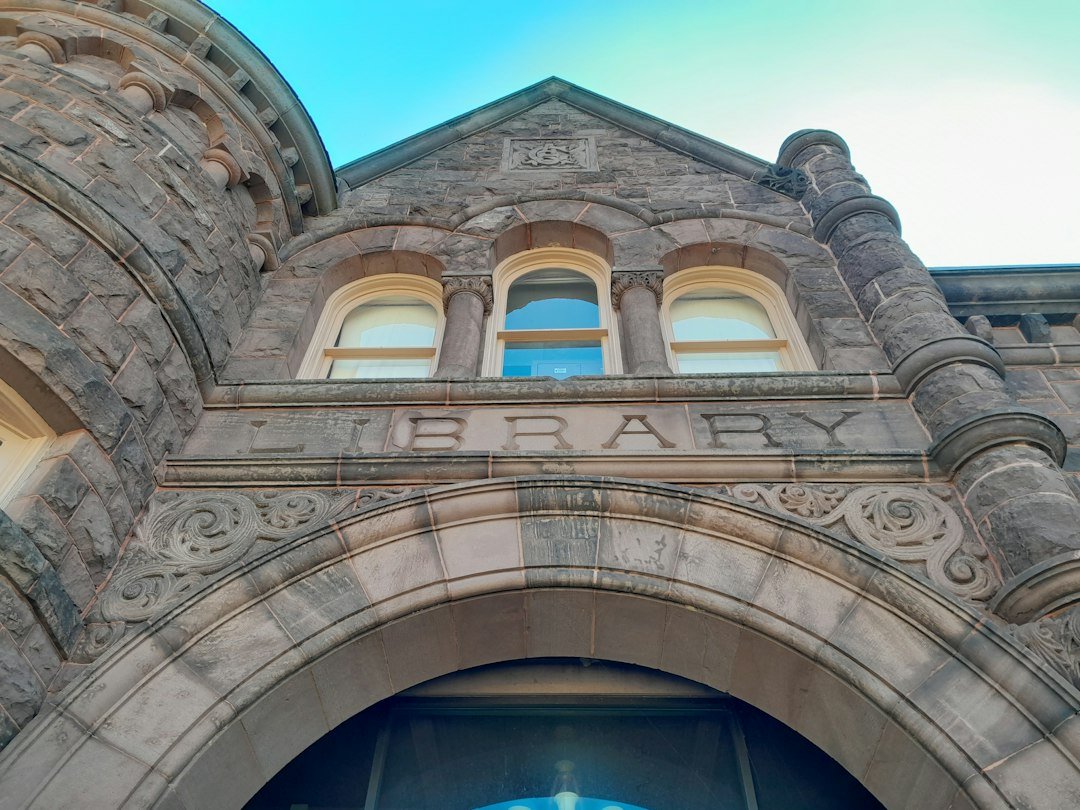
Featured illustration: Illustrative stock photograph. Photo by Judith Chambers / Unsplash. The image does not identify a local property or location.
Begin with one question you can investigate
Choose a narrow starting question. You might want to identify a grandparent’s parents, learn where a family lived during a particular decade or determine whether two photographs show the same person. A focused question gives each search a purpose and helps you recognize a useful result.
Write down what you already believe and why. Separate a detail printed on a document from a detail someone remembers. Both can be valuable, but they provide different kinds of evidence. “Aunt remembers a home near Tamaqua” is a lead, not the same thing as a recorded street address.
Keep unrelated discoveries in a separate note. Family research produces tempting side paths, and you do not need to discard them. You do need a way to return to the original question without opening a dozen new projects at once.
Interview relatives before details disappear
Ask relatives about people, places and routines rather than demanding an exact date immediately. A description of a church, a school walk or a nearby store may help locate a household when a year is uncertain. Let the person explain what they remember in their own words.
With permission, record the conversation or take careful notes. Include who supplied the information and when. Ask whether a detail came from personal experience or from a story repeated by another relative. That distinction helps you understand the evidence later without discounting the value of the conversation.
Avoid pressing someone to discuss painful or private matters. Give them control over what they share and whether it can be passed on. Family history should preserve information respectfully, especially when it concerns living people or a memory the person did not intend to publish.
Build a timeline before building a large tree
Create a simple chronology for the person or household. Include known births, marriages, addresses, occupations and moves. Add a source beside each entry. Use a question mark or a clear uncertainty note when the date or connection is not established.
Look for gaps rather than filling them with guesses. A household that appears in Pottsville in one record and another town later may have moved, but the timing still needs evidence. A missing decade becomes a specific research target instead of a blank you quietly replace with an assumption.
Keep the timeline readable. A page with dates, locations and brief source notes is easier to review than an elaborate chart filled with uncertain connections. You can expand the family tree once the relationships are supported by records that fit together.
Track places as carefully as names
Record the exact place wording used in each source. A borough, township, mailing address and nearby community name may describe different aspects of a location. Do not automatically standardize them into the town name you recognize best.
Use maps and local reference help to investigate unfamiliar place names. Ask which jurisdiction or organization might have created the record you need. A general county search can miss useful material when you have not identified the relevant town, congregation or local collection.
Make a location note for each period. Include what is established and what remains uncertain. This helps when relatives use a familiar regional nickname while a document uses a formal address. The difference can be a clue rather than an error to erase.
Expect spelling variations and repeated names
Search plausible spelling variations, initials and recorded name forms. Keep each variation tied to its source. Do not assume a different spelling proves a different person, but do not assume similarity proves identity either.
Compare several details: approximate age, relatives, address, occupation and the sequence of events. A matching surname in the same town may still belong to another household. Common given names can make a result look more convincing than it is.
Write down why you accepted or rejected a possible match. That note prevents you from revisiting the same uncertainty as if it were a new discovery. It also makes your work understandable to another family member who wants to review the conclusion rather than simply trust the finished tree.
Use coal-miner records for the questions they can answer
The Pennsylvania State Archives’ Coal Miner Records guide describes several relevant collections. Its anthracite mine-accident registers cover 1899–1972 and can include information about an injured miner, the mine and the accident. These are accident records, not a complete employment list of every Coal Region miner.
Read the collection description before searching. The date range, region and record type determine whether it fits your question. A bituminous collection should not be treated as an interchangeable source for an anthracite ancestor simply because both involve coal.
If no result appears, record that outcome carefully. A failed search does not prove that the person never worked in mining. It may mean the particular collection does not include the event, period or name form you need. Use the limitation to choose the next source rather than forcing the record to answer a broader question.
Ask libraries and archives a precise question
Contact a relevant library, historical organization or archive with the person’s name, approximate dates and known location. Explain which sources you have already checked. A focused request makes it easier for staff to suggest a collection or explain what they can provide.
Ask about access, appointments, copying, fees and any restrictions before planning a visit. A collection mentioned online may require advance arrangements or may not be searchable by name. Confirm the details through the organization rather than assuming you can arrive and immediately browse everything.
Keep requests concise and respectful. Staff may not be able to conduct a full family investigation on your behalf. Asking where a particular record type might be held is often more useful than sending an entire tree and asking someone to solve every missing connection.
Read a document in its full context
When you find a record, save the citation and inspect more than the name line. The surrounding entries, column headings and page information may change how you interpret it. A cropped image can omit the date or category that makes the record meaningful.
Distinguish what the record states from what you infer. A listed occupation is a statement in that source. An explanation of why the family moved is a separate conclusion that may need other evidence. Keep the two separate in your notes so an attractive story does not become an unsupported fact.
If handwriting is unclear, transcribe uncertain portions with a visible uncertainty marker. Ask for help or compare other writing on the page. Do not silently convert a difficult letter into the spelling that makes the family connection convenient.
Keep sources with the story
Use consistent filenames and a simple research log. Include the person, record type and date when known. Save where the record came from and any collection or page identifier that will help you locate it again.
For an online result, retain the source information in addition to the link. Pages can move, and a link alone may not explain which image you viewed. For an in-person visit, note the organization and collection details while you are there.
Back up the research in a suitable way and keep originals safe. Avoid writing on an old photograph or attaching damaging labels directly to it. Use appropriate preservation advice from the holding institution or a qualified conservator when an item is fragile or unusually valuable.
Handle conflicting information honestly
Two records may give different ages, dates or spellings. List the disagreement and consider who supplied the information, when it was recorded and what the record was created to do. Do not choose a result merely because it matches the story you expected.
Look for additional evidence that can connect the details. A household relationship, address sequence or another contemporaneous record may help. If the conflict remains unresolved, say so. An honest gap is more useful than a polished tree with a hidden weak connection.
Keep alternative explanations visible. You may be looking at two people, a transcription mistake or a remembered date that shifted over time. The next research step should test those possibilities rather than repeating the same broad search.
Turn research into a readable family account
Write a short account around established events and clearly labeled uncertainties. Explain how the evidence connects the person to the place. Use a photograph only when you have the right to share it and can describe it accurately.
Invite relatives to review the draft for additional leads, but distinguish a correction supported by evidence from a new recollection to investigate. Respect living people’s privacy before sharing publicly. The goal is a family account that can improve as more information appears.
Schuylkill County genealogy becomes more rewarding when each discovery has a clear source and each unanswered question has a next step. Start small, follow the places and compare the people carefully. Explore more regional stories at SkookPA NewZ and use official archives and local collections to build a history your family can understand and continue.



0 Comments