
Tamaqua, Pennsylvania — October 27, 2026. Tamaqua Area School Board approved more than $400,000 in school-building, energy and security expenditures during its October 20 meeting, along with a separate $140,473.55 marching-band uniform purchase. Here is a detailed, independently written explanation of the projects and what the approvals do—and do not—mean.
| Approved work | Reported amount |
|---|---|
| High school domestic hot-water heater | $140,000 |
| Elementary solar inverter | $22,816 |
| High school and West Penn Elementary roof work | $102,000 |
| Door security equipment (PCCD) | $29,000 |
| Door replacement and repairs (PCCD) | $41,000 |
| Security equipment (Morgan Foundation) | $75,000 |
| UPS battery backup (Morgan Foundation) | $26,000 |
| Building and security total (calculated) | $435,816 |
| Separate marching-band uniforms | $140,473.55 |
Tamaqua board advances a wide range of improvements
Tamaqua Area School Board members approved a series of facility, security and equipment expenditures during their October 20, 2026, meeting, with public reporting published the following day. The decisions cover equipment at the high school and elementary school, work connected to roofing, door security, battery backup equipment and other building needs. They also include a separate commitment to purchase new marching-band uniforms. The projects are diverse, but they share a practical purpose: keeping school buildings functional and supporting the people who use them.
The seven reported building and security line items add up to approximately $435,816, based on the approved amounts presented in local reporting. That calculation is an arithmetic summary, not an additional contract. The band-uniform order of $140,473.55 is a separate item; treating it as though it were included in the $435,816 would give readers an inaccurate view of what the board considered. Neither amount should automatically be characterized as a final invoice, because approved spending and eventual billed costs can differ.
What the newly approved building work covers
The largest item in the facilities group is a $140,000 replacement for the domestic hot-water heater at Tamaqua Area High School. McClure Company is expected to carry out that work through Pennsylvania’s COSTARS purchasing program. The heater dates to a geothermal project undertaken in 2009, placing the existing equipment at roughly 17 years old. When a central system approaches the end of its practical service life or fails, replacing it can become an operational priority even if it was not part of an earlier renovation plan.
Another $22,816 goes toward a replacement solar inverter at Tamaqua Elementary School, again involving McClure. Separately, the board approved $102,000 for roof repairs, warranties and maintenance work connected with the high school and West Penn Elementary School. Weatherproofing Technologies Inc. is the named vendor for that package. Together, these decisions concern building systems that can be easy to overlook until a breakdown or leak interrupts the school day.
Why the high school water heater matters
Reliable hot water is an essential part of operating a school building, especially in areas where food preparation, cleaning and hygiene rely on functioning mechanical infrastructure. The announced replacement is therefore more than a cosmetic improvement. In a district operating buildings used by students and staff for long stretches of the day, failures can create complications for maintenance teams and school administrators.
The high school heater was installed as part of the 2009 geothermal-related work, according to the local report. That connection is useful history, but it does not mean the replacement itself is a new geothermal installation. The board’s action specifically addresses domestic hot water, and readers should not confuse the project with a full replacement of the building’s entire heating and cooling system. The information reviewed does not establish a precise installation date, how long any interruption would last or whether temporary equipment will be used.
The elementary school solar inverter replacement
Solar panels produce direct-current electricity, while buildings and electric systems generally depend on equipment that converts that output into usable alternating current. The inverter performs that conversion. If it stops working properly, the solar installation may not deliver the expected electricity even though the panels themselves remain in place. Repairing or replacing an inverter is consequently a normal component of maintaining an established solar array.
Tamaqua Elementary School’s listed $22,816 inverter expenditure should not be reported as the cost of constructing a new solar farm. It addresses equipment associated with an existing installation. The district also approved a solar-maintenance arrangement earlier this year, according to separate reporting, making this replacement part of a broader story about operating and maintaining existing energy infrastructure. Specific performance gains after replacement will require actual project or utility data and should not be guessed.

High school and West Penn Elementary roof work
The approved $102,000 roof package involves repairs, warranty-related work and maintenance agreements at Tamaqua Area High School and West Penn Elementary School. Earlier committee reporting identified components of about $38,000 for high school roof repairs and a ten-year warranty renewal, plus approximately $64,000 for warranty and maintenance arrangements. Those components account for the $102,000 described in the October 21 meeting report.
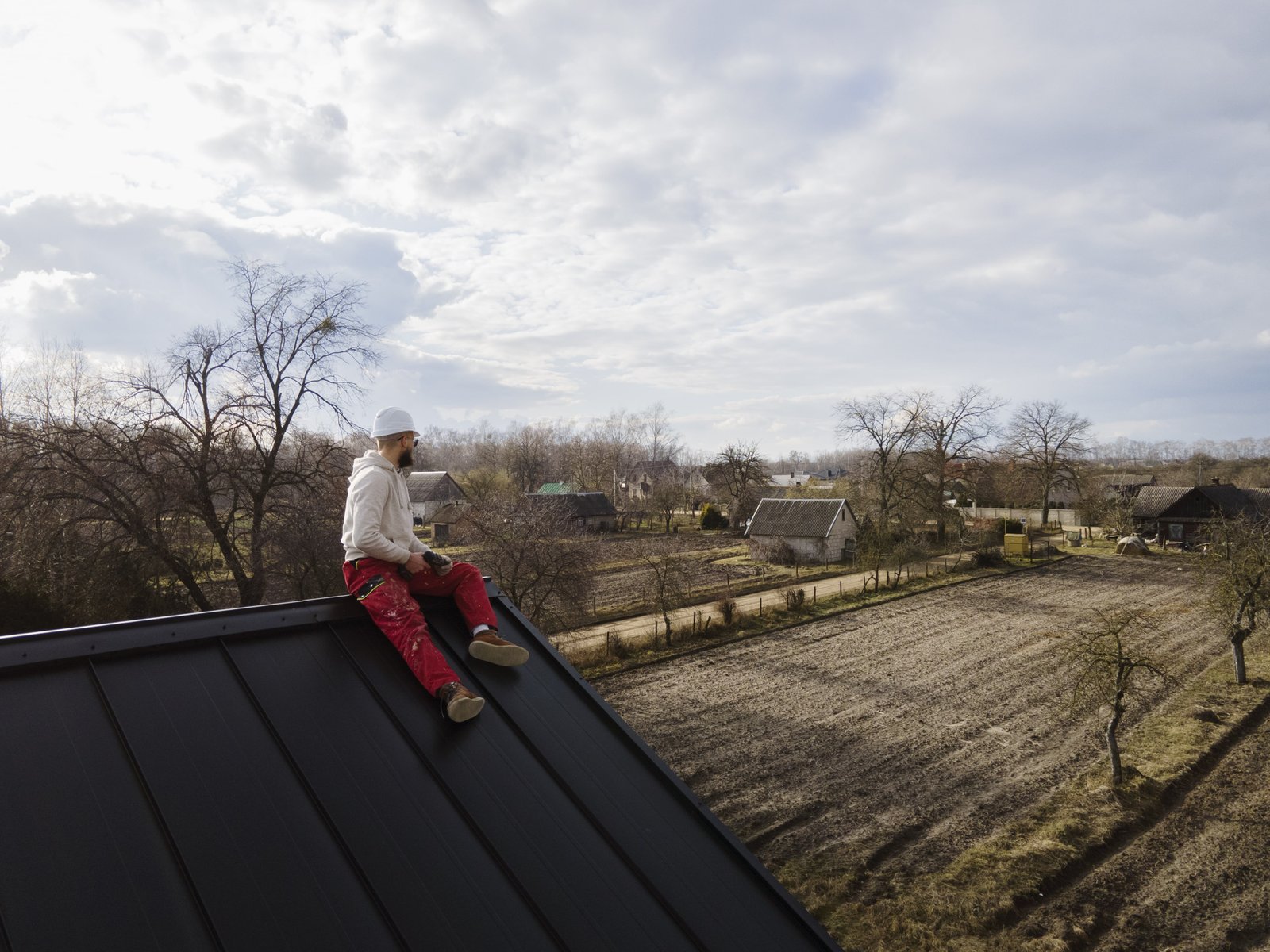
Roof work deserves attention because leaks can damage ceilings, flooring, insulation, electrical systems and instructional materials. Water intrusion can also interrupt use of classrooms or other school spaces. A combination of maintenance, repairs and an appropriate warranty is intended to reduce avoidable complications, although no contract can guarantee that an aging building will never experience another leak. Nothing in this approval establishes that every roof in the district is being completely replaced this fall.
Grant support for security improvements
Two separate funding sources support the school security expenditures in the reported action. Pennsylvania Commission on Crime and Delinquency grant funds are associated with $29,000 in door security equipment from Bytespeed and $41,000 in door replacement or repair from Muncy Doors Inc. That is $70,000 in listed PCCD-supported work. The distinction between security equipment and door repair is important: electronic systems and the physical condition of doors both play roles in how building access is managed.
The John E. Morgan Foundation is identified with another $75,000 in security equipment through Bytespeed and $26,000 in uninterruptible power supply battery-backup technology through Mechanical Advantage. Those two items total $101,000. Across the four specifically identified security and backup purchases, the listed amounts reach $171,000. This tally does not mean the district is installing any particular model of camera, alarm or lock beyond what the documented approvals support.
Why backup power is part of the conversation
A UPS, or uninterruptible power supply, provides battery-backed power to selected equipment during short disturbances or until another appropriate source takes over. In schools and offices, such systems can be used to support critical electronics and orderly operation when normal electricity is interrupted. The precise devices supported, runtime and installation locations depend on the project design and equipment purchased.
The $26,000 allocation reported for Tamaqua Area’s backup-power equipment is therefore related to operational resilience. It should not be read as a guarantee that an entire school would remain fully powered during an extended outage. A small battery-backup arrangement has a fundamentally different role from a building-wide generator. Public reporting did not provide the system’s complete technical specifications, so claims about minutes of operation or exact coverage would be speculative.
What grant-funded spending means for taxpayers
The identified PCCD and Morgan Foundation expenditures indicate that outside funding will offset substantial portions of the approved work. External grants can help a district address safety and infrastructure priorities without financing every purchase from its general operating funds. However, grants frequently carry conditions concerning eligible uses, documentation, procurement or reporting. A line item being grant-supported does not establish that all future maintenance associated with it is also paid for.
Residents evaluating the school board’s choices should separate grant-funded expenditures from purchases charged to capital projects or other district resources. The detailed reports identify the high school water heater as a capital-project cost, while specified security work has identified grants. The exact division of every funding source should be confirmed in district financial records before declaring what proportion of the entire package came directly from local taxes.
Relationship to the district’s energy-savings initiative
McClure has also been engaged on a wider Tamaqua Area infrastructure program approved earlier in 2026. That separate effort has been reported at approximately $2.99 million with a projected or guaranteed $2 million in savings over a 20-year period under an energy-savings arrangement. Work discussed in connection with that broader program includes building system upgrades and lighting improvements. These larger figures should not be combined casually with the October purchases as if they represent one new contract.
The October report explains that the high school water heater was not originally among the planned improvements in the district-wide program. Its separate approval illustrates why capital planning often needs some flexibility: an existing piece of equipment may demand attention even when another large improvement program is underway. Energy-savings estimates also have specific contract assumptions and measurement requirements; they are not a promise that every homeowner or taxpayer will personally see a fixed-dollar savings.
A separate $140,473.55 purchase for band uniforms
In another significant vote, the board approved $140,473.55 to purchase marching-band uniforms from DeMoulin Brothers and Co., a supplier based in Greenville, Illinois. The order is intended to accommodate 130 musicians while including an additional 45 uniforms for size flexibility as membership changes over time. This does not mean 175 students are currently performing; a stock of different sizes can help a program fit successive classes without immediately ordering individual replacements.
Band director Mark Beltz has said the present uniforms are approximately 12 or 13 years old, while uniforms in similar programs commonly have useful service lives of 10 to 15 years. The district expects the new uniforms for the next school year. A uniform purchase may sound less urgent than a building repair, but reliable sizing, condition and presentation can matter to student performers during parades, competitions and school events.
How the uniform decision developed
Earlier school-board discussion in September explored different materials, costs and long-term durability. The questions included whether newer synthetic materials would provide comfort and warmth comparable to traditionally constructed uniforms. Samples were reviewed, and board members sought more information before making a final decision. That history shows the October authorization did not emerge without prior public discussion.
The eventual $140,473.55 approval is the amount readers should use for this decision, rather than simply repeating preliminary September estimates of $120,000 or $135,000. Those earlier figures were part of the evaluation process, while the newer number is the reported board-approved purchase. The district has not released every final garment specification in the sources reviewed for this story, and it would be inappropriate to claim a particular fabric or design detail without confirmation.
Elementary art also receives attention
The board’s meeting included acknowledgment of a letter from the Tamaqua Elementary Parent Teacher Organization thanking district officials for bringing elementary art back. Superintendent Dr. Stephen Toth also described positive feedback about the return of art instruction. This development is separate from the facilities approvals, but it helps show the wider range of educational issues that come before a school board.
Art, music and other creative programs contribute to school experience in ways that cannot always be reduced to a single equipment cost or construction line. Families may be interested in the return of a program, while others are focused on the condition of heating equipment or building entrances. Good public reporting makes room for both, without suggesting that celebrating the art program changes the details of the capital expenditures.
What families should watch as work proceeds
The approvals are a record of decisions to proceed, not proof that every repair, component installation or uniform delivery has already occurred. Families should look for future district announcements explaining when work will be performed, whether any entrance arrangements need to change and whether activities are affected. Contractors may schedule disruptive building work for periods when students are not present, but no specific calendar for these approved projects has been verified here.
If a school entrance is temporarily inaccessible during door repairs, follow notices from the district rather than using an alternate door that staff have not authorized. Likewise, questions about hot water or building systems should go through school administration and facilities personnel. Publishing a speculative timetable or an unverified outage notice could create unnecessary concern for families who depend on precise school-day information.
The value of a clear itemized public record
Tamaqua taxpayers have good reason to ask how proposed purchases fit into a multiyear maintenance plan. A school district manages buildings, technology, student programs and recurring contracts simultaneously. Distinguishing urgent replacement from preventive maintenance, and separate grants from capital funds, allows residents to understand what their board approved and why it was considered necessary.
The figures reported from the October meeting can serve as a starting point: $140,000 for hot water, $22,816 for the solar inverter, $102,000 for roofs, $29,000 and $41,000 for door-related security, $75,000 for other security equipment, and $26,000 for battery backup. The arithmetic total is $435,816. The separate marching-band purchase is $140,473.55. Readers should request official district minutes and purchasing records if they need contract details beyond those publicly reported amounts.
Where the story goes from here
Follow-up reporting should look for confirmation that equipment has arrived, work has been completed, warranties are active and grants have been applied according to their requirements. It should also distinguish an approved project from later actual expenditures. An updated story may be warranted when the district announces completion dates, revised costs, performance data for repaired energy systems or delivery of the new uniforms.
For now, the central development is clear: the school board committed to a broad set of building and safety upgrades while advancing a separate investment in its marching-band program. The measures reach from physical infrastructure to student activities. Reporting them together gives residents a fuller picture, provided the distinct contracts, funding sources and limits of the available information remain visible.
Related reading: Parents and homeowners can find independent home maintenance explanations at Handyman Problem Fixer. For local property research and school-area housing questions, visit SkookPA’s property research guide and KennethHoffmaster.com. These resources are separate from the school district’s announcements.
Primary reporting and additional context
Times News, October 21, 2026: Tamaqua school building and security approvals; October 20 district finance planning; April 2026 energy-savings project; September 2026 marching-band uniform discussion. Contract amounts are reported authorizations and not verified final invoices.




0 Comments