
Schuylkill Township, Schuylkill County — October 27, 2026. The township has reportedly advanced a tentative $321,854.96 budget for 2027 without a proposed municipal property-tax rate increase. This report explains what that means, what remains to be approved and how residents can evaluate the plan.
The proposed budget at a glance
Schuylkill Township supervisors in Schuylkill County have advanced a tentative spending plan for 2027 totaling $321,854.96, with no increase in the township’s real estate tax rate proposed at this stage. A local report published October 26 says the supervisors gave preliminary approval during a Wednesday evening meeting. That is meaningful news for residents who want to know whether township government plans to collect more in property taxes next year, but a preliminary approval is not the same as a final budget adoption.
The most important qualification is the word ‘if.’ The current proposal could avoid a local tax-rate increase if adopted later this year in its reported form. Changes in revenue estimates, expenses, board decisions or other matters could still affect the final plan. For now, taxpayers should view the amount as a reported tentative budget and the tax position as a proposed outcome, rather than a promise engraved in the 2027 tax bills.
Which Schuylkill Township is involved?
Pennsylvania has more than one municipality named Schuylkill Township. This report concerns Schuylkill Township in Schuylkill County, the municipality associated with communities including Tuscarora near the Tamaqua area. It does not refer to Schuylkill Township in Chester County, which has a different governing body, a separate budget calendar and different local finances. Mixing those two communities would produce incorrect directions and misleading financial comparisons.
The naming issue matters because a web search for ‘Schuylkill Township budget’ may return official pages for the Chester County municipality first. Residents who want to inspect an agenda or request records should confirm the county and governing body before relying on a result. A document can be entirely genuine and still apply to the wrong town if its location is misunderstood.
What does $321,854.96 represent?
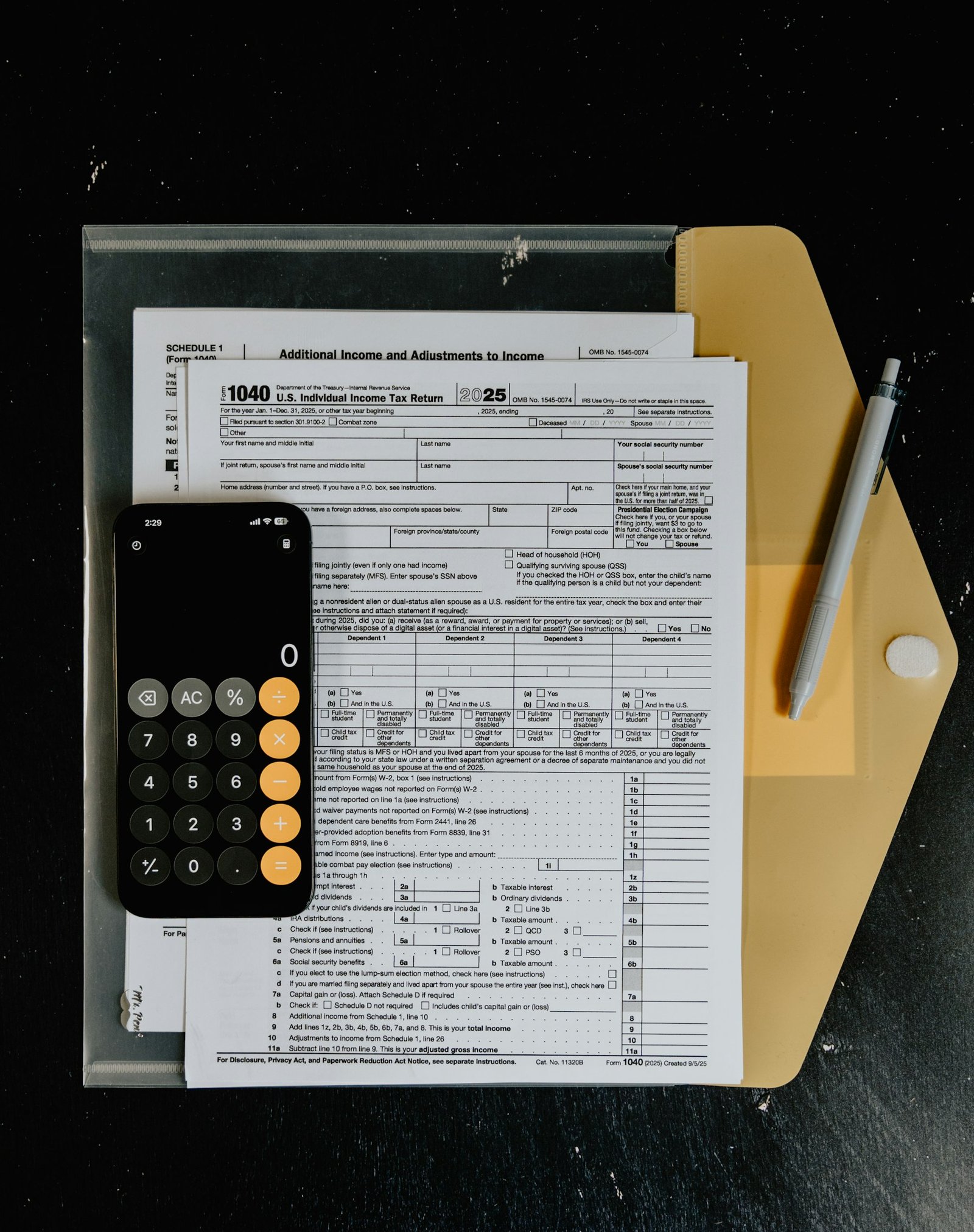
The reported figure is the total of the tentative spending proposal covered in the October 26 local report. Without a complete line-item document, it would be inappropriate to divide that number into imagined dollar amounts for police, paving, payroll, equipment or other categories. Municipal budgets generally bring together recurring costs, projected revenues, transfers and reserve decisions, but the specific mix depends on the records actually prepared by a township.
Residents assessing whether the plan is adequate should look beyond the headline total and ask what services are funded, what costs are changing from 2026, how much is expected from real estate taxes and whether unusual expenses are treated as one-time costs. A seemingly modest budget can still contain important trade-offs, especially for a smaller township where a vehicle repair, road project or public-safety contract represents a substantial share of discretionary spending.
A steady millage rate is not the same as a steady tax bill
A township can choose not to raise its millage while an individual property’s total tax bill changes for other reasons. Property tax bills can reflect county, municipal and school district levies, along with the applicable assessed value and any programs or adjustments that affect the calculation. A township proposal concerns only the portion that the township controls. It cannot guarantee the rates adopted by another taxing authority.
Schuylkill County’s recent property reassessment adds another reason to be precise about wording. Changes in valuations and the design of millage rates can make year-to-year comparisons harder to interpret. Homeowners should examine the actual county, township and school tax components on their bills, and distinguish changes in the assessed base from a voted rate increase. The statement that a local rate is proposed to stay level is useful, but it is not a reliable estimate for every household’s annual dollar payment.
What residents should look for in the final document
The complete proposed budget should identify anticipated cash coming into the township, expected spending by function and any transfers, debt service or reserve usage. Those details make it possible to see whether the plan is balanced using recurring revenue or whether some costs are being paid from money saved in prior years. Neither approach is automatically inappropriate, but they have different long-term implications for sustainability.
Residents can also compare the draft with the final approved budget once the supervisors vote. Did the township shift money among departments? Was an equipment purchase postponed? Did a forecast revenue source change? Those questions are more useful than assuming the first published version will be identical to the last. As of this report, we have not independently obtained the full line-item 2027 budget, and therefore will not invent a breakdown.

Roads, public works and seasonal expenses
For small townships, roads and routine maintenance can be especially visible to residents. Patching, snow and ice treatment, drainage, roadside mowing and unexpected equipment failures can put pressure on annual budgets. A careful budget process anticipates normal work and preserves a way to respond when winter conditions, a storm or a major repair requires spending that was not obvious at the start of the year.
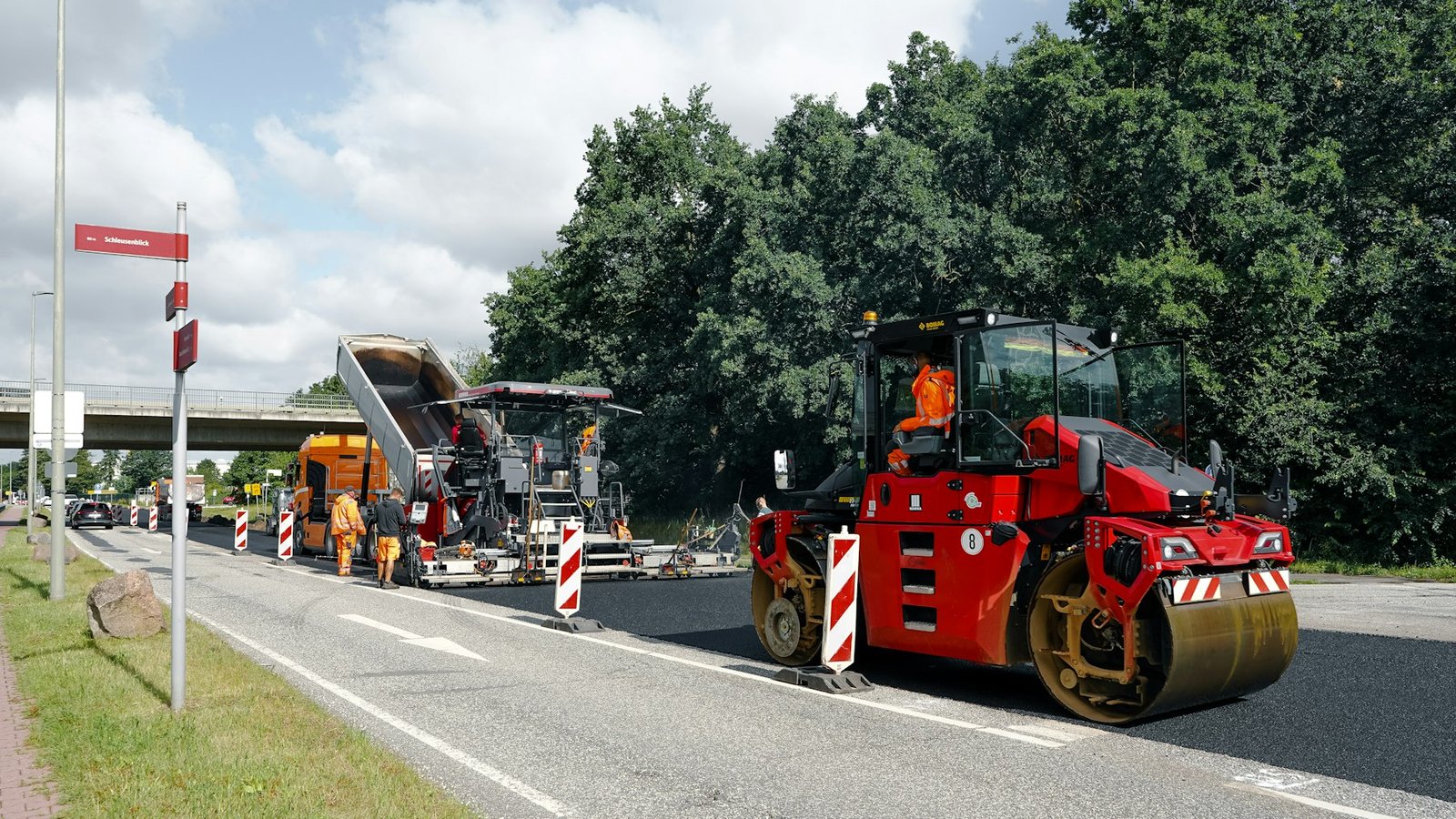
That broader context should not be confused with a claim that the Schuylkill Township proposal includes a particular road contract. No such project-specific allocation is established by the initial report reviewed. If residents want to know whether their street is scheduled for improvement or whether a bridge has been prioritized, they should ask for the township’s official road and capital plans. A municipal budget cannot, by itself, guarantee work on a specific address or timetable.
Public safety and local service questions
Emergency services often depend on cooperation among local governments, county responders and volunteer organizations. Even when a township’s budget is relatively small, choices about equipment, training, emergency planning and contracted services can affect local households. Residents should ask which services are funded directly by the township and which are provided through a separate authority, neighboring agency or volunteer group.
The sensible question is whether the proposed 2027 spending matches the level of protection and municipal operations the community expects. A no-tax-increase plan can appeal to homeowners, but the proposal should still receive ordinary scrutiny. Conversely, a single expensive maintenance year does not necessarily mean officials have mismanaged the budget. Those assessments require actual documents, not just a headline.
Taxpayer questions to bring to a meeting
Residents can ask supervisors to explain how the 2027 proposal compares with actual 2026 spending, rather than only the prior year’s estimate. They can also ask whether the township expects changes in earned-income revenues, permit activity, grants, collection rates or other sources. If reserves are being used, the township should be able to explain for what purpose and whether a minimum balance is being maintained.
Other useful questions concern service delivery. Does the plan include the equipment and staffing needed for seasonal work? Are there major infrastructure obligations coming due? How will residents find out about changes between tentative and final adoption? What public comment opportunities remain? Respectful, specific questions help the governing body respond with verifiable figures and make the meeting more productive for everybody.
How the budget process should be followed
A tentative budget is part of a continuing municipal decision, not the final entry in the record. Supervisors may revise figures before adoption, and public inspection requirements apply under Pennsylvania’s township budgeting framework. The precise dates and procedures for this municipality’s 2027 calendar should be taken from its own meeting notices and official records rather than assumed from another township’s website.
Readers who cannot attend a meeting can request the proposed document and watch for meeting minutes or published notices. Local elected officials should be the source of authoritative answers about the final millage, spending categories and any amendments. SkookPA can report the decisions when confirmed, but it should not present a proposed budget as if the vote had already taken place.
Why a small-town budget is worth covering
It is easy for countywide headlines about large construction projects and state spending to overshadow the everyday decisions made by township boards. Yet residents often have the most direct contact with local government through road conditions, ordinances, waste services, permits and other practical concerns. These are the services that affect a household’s routine and sometimes its largest investment, the home itself.
A clearly explained $321,854.96 spending proposal can therefore be more immediately useful to a township household than a statewide political announcement. It also creates a record residents can return to when the final budget is approved or a service is discussed later. Local news is strongest when it reports the proposed figure accurately, checks subsequent votes and gives readers a path to the documents.
What homebuyers and property owners should understand
Anyone considering buying in a township should review annual property taxes as one part of the carrying cost. Ask for the current tax information for the exact parcel, not a broad county average or an estimate from an unrelated home. Insurance, utilities, repairs and financing costs also affect affordability. A tax-rate announcement can provide context, but it is not a substitute for obtaining the property-specific records and checking any changes expected after a reassessment.
Current owners who are considering an assessment appeal, a refinance or a sale should keep copies of their notices and actual tax bills. The county’s assessment process and local taxing authorities have distinct functions. A real-estate professional can help explain how property taxes affect a purchase budget, but only the relevant government offices can confirm official assessed values, levy rates and appeal procedures.
What happens next for the proposed 2027 tax rate
The next meaningful development is a final budget vote or publication of a revised draft with enough detail to assess the reported no-increase position. Readers should look for the adopted tax millage, updated total expenditures, any use of fund balances and a date when the final documents become publicly available. A later report can fairly say the township kept its rate level only after that decision has been verified.
For now, the confirmed news is a tentative $321,854.96 plan that would avoid an increase in Schuylkill Township’s local property tax rate if adopted as proposed. The distinction between tentative and final is not legal trivia; it is the difference between a proposal residents can still evaluate and a decision already in effect. We will use the latter wording only when the board’s final action is documented.
For more background, see SkookPA’s Schuylkill property records guide and KennethHoffmaster.com for separate local homebuyer and seller education. For renovation information, Handyman Problem Fixer provides independent maintenance resources, not municipal budget figures.
Reporting basis
Times News, October 26, 2026, “Schuylkill supervisors suggest no property tax increase” (reported $321,854.96 tentative budget); historical local service-cost reporting. The actual full line-item 2027 township budget was not independently available in the reviewed public sources; no spending breakdown or adoption date is claimed.



0 Comments