
Practical guide • Updated October 11, 2026
You do not need an expensive camera or a dramatic expedition to make a photograph worth keeping. A familiar street, a lake edge or a detail on a building can become interesting when you slow down and notice how the scene is arranged. The useful change is often where you stand and what you choose to include.
Schuylkill County scenic photography can begin with an ordinary local outing and the phone you already use. This guide combines a few official destination resources with original composition and planning suggestions. It does not identify the illustrative stock pictures as local scenes. When you make and share your own photographs, use accurate captions and respect access, people and the place you are visiting.
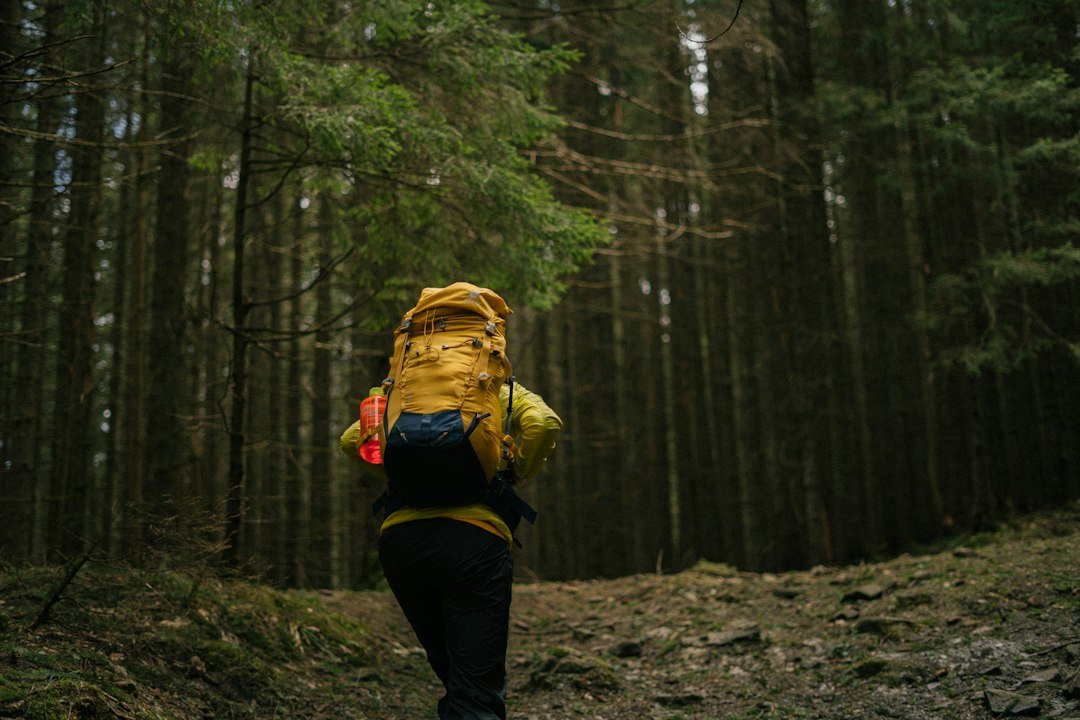
Featured illustration: Illustrative stock photograph. Photo by Ewa Stepkowska / Unsplash. The image does not identify a local property or location.
Choose one kind of scene for the outing
Decide whether you want water, forest, streets or architectural details. A clear theme helps you notice opportunities instead of driving between unrelated places and hoping something looks spectacular. It also keeps the outing manageable for the time and people involved.
Write a small list of possible subjects. For a water theme, that might be a broad view, a reflection and a shoreline detail. For a street theme, it might be a building facade, a repeating row of windows and an ordinary public-space detail. The list guides attention without requiring a particular result.
Keep the plan flexible. A subject may be inaccessible, occupied or visually different from what you expected. Choose another suitable scene rather than forcing the picture. The outing should work as a pleasant local visit even if the first photograph does not become your favorite.
Verify public access before leaving
Check the land manager’s current information for parks and outdoor destinations. DCNR’s Locust Lake State Park page describes the lake and surrounding forest and provides current visitor information. Use the official page for access, parking and conditions rather than relying only on a location tag attached to a photograph.
You can also review the official Tuscarora State Park page when comparing a nearby option. Read the current requirements for the actual visit. If the outing involves an organized activity or specialized equipment, confirm any additional rules that apply.
For town scenes, remain in areas you are permitted to use and respect private property. A good view through a gate does not grant access beyond it. Do not enter abandoned buildings, mine areas or railway property for a photograph. Choose a suitable public viewpoint instead of treating an interesting subject as permission to approach it.
Travel light enough to pay attention
Begin with the camera or phone you understand. Check the battery, available storage and basic controls before leaving. Clean the lens using the device manufacturer’s appropriate method. A useful photograph should not depend on learning an unfamiliar menu while standing in the middle of a busy path.
Carry supplies suitable for the outing, including the ordinary clothing, water and navigation arrangements the route requires. Keep the photography equipment secured so it does not interfere with movement. The trip’s practical needs remain even when taking pictures is the main purpose.
Avoid buying accessories solely to make the outing feel official. First discover what limits your actual photographs. If you repeatedly need a particular capability, you can investigate suitable equipment later. Familiar gear gives you more attention for the scene and less for a bag full of controls.
Look at the whole frame before pressing the button
Pause and scan the edges of the image. Notice a distracting sign, a cut-off object or an unrelated item that draws attention away from the subject. Moving a little within a suitable permitted area may solve the problem without any editing.
Ask what the viewer should notice first. If the answer is unclear, simplify the frame. Include fewer competing elements or choose a different angle. A photograph of a lake does not need every nearby tree, bench and parking sign to explain that you were there.
Take a second version deliberately. Change one thing, such as the position or framing, so you can compare the result later. Taking several nearly identical pictures without a reason creates more sorting work without teaching you much about what improved the image.
Use a subject, a setting and a detail
Try making three different kinds of photograph from one suitable location. The broad view establishes the setting. A more focused image gives the subject attention. A detail adds texture or a small feature you might otherwise overlook.
At a permitted lake viewpoint, the set could include the shoreline, a reflection and a close view of an accessible natural detail. On a public town walk, it could include a streetscape, one building feature and a pattern in a visible surface. Keep access and personal space in mind throughout.
This small set tells a clearer story than a large collection of identical wide views. It also makes you look more carefully at an ordinary destination. You may discover that the detail image is the strongest one even though the broad scene first attracted you.
Notice what the light is doing
Look at the direction, softness and contrast of the light. A scene can look different when clouds arrive or when you move to a suitable position that changes the angle. Observe those changes rather than assuming one fixed time produces the best photograph everywhere.
Do not make the schedule depend on an exact promised color or reflection. Weather and the scene determine what is available. If the light is flat, consider details and patterns. If contrast is strong, simplify the composition and use the device controls you understand.
Keep safety and access ahead of the light. Do not rush onto unfamiliar terrain because the sky looks briefly interesting. A suitable photograph taken from a controlled position is better than a dramatic view pursued without regard to footing, traffic or the group’s return plan.
Keep people and shared spaces in mind
Give other visitors room and avoid blocking a trail, entrance or sidewalk. A tripod, bag or prolonged pause can interfere with ordinary movement. Choose a suitable place to stop and keep the setup modest.
Ask permission before making a posed photograph of someone, especially when you plan to publish it. Respect a refusal. For events or commercial use, confirm the applicable permissions and requirements rather than assuming a general photography guide resolves every question.
Be careful with images that reveal private information. House numbers, vehicle plates, documents or identifiable personal situations may appear unintentionally. Review the frame and the intended use before sharing. A local photograph should celebrate the place without creating an avoidable problem for someone in it.
Let the scene stay as you found it
Do not move natural features, damage vegetation or alter a place to improve the picture. Follow the land manager’s current rules and keep wildlife at an appropriate distance. An animal should not be approached or disturbed to obtain a closer image.
Look for a composition that works with the available scene. A different frame may remove a distraction without physically changing anything. If the location does not support the photograph you imagined, choose another subject.
Carry out waste and keep small items secured. Photography can make you concentrate closely on one detail, so check the area before leaving. A brief look for equipment and litter helps preserve the ordinary space for the next visitor.
Edit to clarify, not to invent
Begin with modest adjustments you understand, such as cropping or correcting a tilted frame. Compare the edited version with the original. The goal is to make the subject clearer while retaining an honest account of what the image represents.
If you substantially alter a scene or create a composite, describe that when the context requires it. Do not present a constructed image as documentary evidence of a local event or condition. Keep original files when they may be useful for checking the history of an edit.
Avoid removing context that changes the meaning. A photograph of a crowded or damaged area can become misleading if a crop hides the feature relevant to the caption. Think about the claim the image makes, not only whether the finished frame looks cleaner.
Write a useful caption
Include a location only when you have established it accurately. A nearby town name may not identify the exact park or public space. Use a specific verified label when practical, and avoid guessing from a remembered route.
Add a date when it matters to the meaning. A photograph from a previous season should not be described as showing today’s conditions. If the image is illustrative rather than documentary, say so. That distinction helps readers understand what they can and cannot infer from it.
Credit the photographer and respect rights when sharing someone else’s work. Do not assume a picture posted publicly is available for unrestricted reuse. Your own photograph gives you a clearer starting point, but the people, property and intended use can still require attention.
Review a small selection after the outing
Choose a few images and ask what worked. Was the subject clear? Did a different angle help? Did the caption identify the scene accurately? Keep one note about what you want to try next time.
Save the selected files in a sensible arrangement with location and date information. Back them up as appropriate. A photograph you can find again is more useful than a strong image buried among hundreds of unnamed files.
Schuylkill County scenic photography starts with careful observation and respectful access. Choose one theme, make a few deliberate frames and caption them honestly. Follow SkookPA NewZ for regional stories, and use official destination information to plan the actual places you visit.




0 Comments