
Orwigsburg, PA: Small-Town Living Near Southern Schuylkill County is an expanded local guide to Orwigsburg, Pennsylvania, written for residents, visitors, buyers, sellers, and anyone researching Schuylkill County communities. Rather than treating the borough as a collection of statistics, this guide looks at history, housing, transportation, community life, seasonal realities, and the practical details that influence everyday experience.
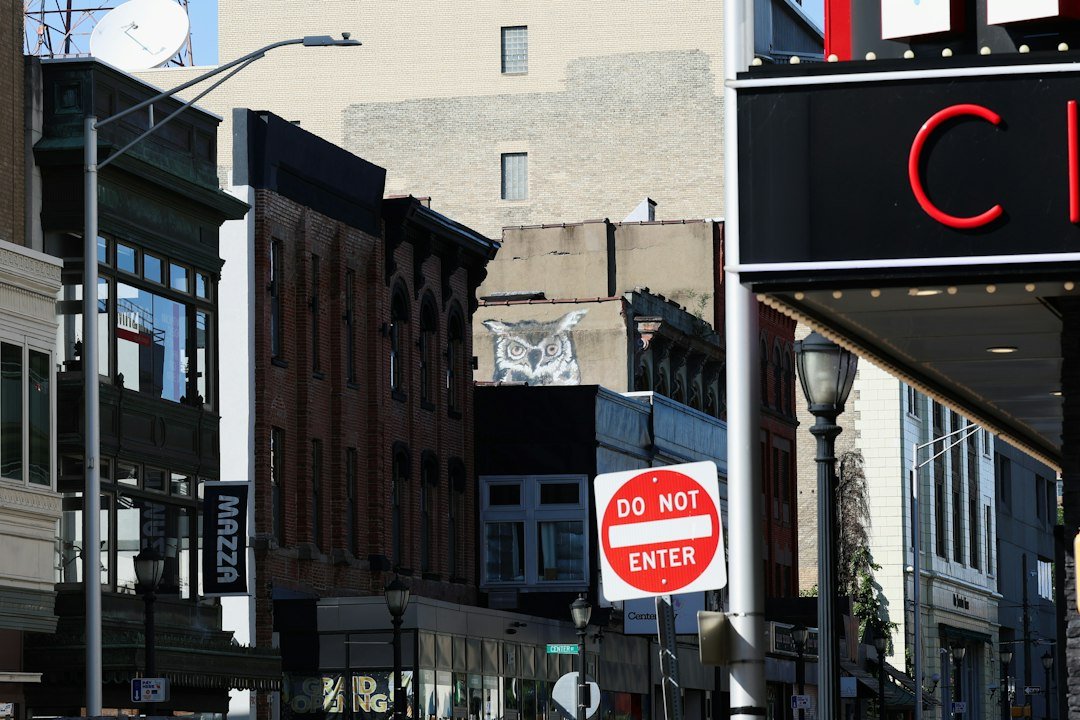
Where the Town Fits in Schuylkill County
Orwigsburg is best understood in the context of Schuylkill County’s mountain geography and older settlement patterns. Where the Town Fits in Schuylkill County matters because local roads, housing, business districts, and municipal boundaries developed over many decades rather than from one modern master plan. Residents often think in terms of routes, ridges, neighboring boroughs, and familiar travel corridors. For newcomers, that means map distance is only part of the story. Drive times, street grade, winter weather, construction, and the direction of travel can all affect how convenient a location feels in daily life.
Daily convenience is often shaped by details that do not appear prominently in online searches. In Orwigsburg, where the town fits in schuylkill county may affect where residents park, how they handle snow, how quickly they reach major routes, and how easily they manage groceries, school schedules, or work commutes. These practical factors can matter more over time than a cosmetic feature that initially catches the eye. A strong local decision balances the home or destination itself with the routines that will happen around it.
Coal Region History and Growth
The history of Orwigsburg is closely connected to the larger Coal Region story. Anthracite mining, rail transportation, immigration, churches, volunteer organizations, and small businesses all influenced the town’s growth. That history remains visible in older homes, dense blocks, commercial buildings, cemeteries, and community traditions. A local guide is more useful when it explains those connections instead of reducing the town to a few statistics. Understanding why the streets and neighborhoods look the way they do helps visitors and prospective residents evaluate the community on its own terms.
Community life in Orwigsburg is supported by schools, churches, fire companies, civic groups, local businesses, youth sports, and recurring events. Those institutions help explain why Coal Region towns can maintain strong identities even when residents travel elsewhere for work or shopping. Visitors who want to understand the town should look beyond major landmarks and notice the smaller organizations that keep traditions going. Local festivals, fundraisers, parades, sports, and volunteer activities often reveal more about a community than a quick online profile.
Downtown and Street Pattern
Downtown and Street Pattern can vary significantly from one part of Orwigsburg to another. A block with mostly attached homes may function differently from an area with detached houses, larger lots, or garages. Parking, alley access, slope, sidewalks, traffic, and property condition can change quickly. Anyone considering a move should spend time in more than one part of town and, when possible, visit at different times of day. That provides a more realistic picture than relying only on listing photos or a single drive-through.
Anyone researching Orwigsburg should verify time-sensitive information directly. Municipal rules, event dates, tax records, property details, parking restrictions, utility arrangements, and business hours can change. Online sources are useful starting points, but they should not replace official records or current information from the responsible organization. This is especially important for real-estate decisions, where assumptions about school district, taxes, flood exposure, utilities, or zoning can create expensive surprises.
Housing Types
For housing in Orwigsburg, age should be treated as a reason to investigate rather than a reason to panic. Older homes can be durable and full of character, but systems may have been updated at different times. Roofs, electrical service, plumbing, heating, drainage, foundations, and prior renovations deserve careful review. Buyers should verify the actual property condition through inspections and records, while sellers benefit from organizing documentation and addressing obvious maintenance issues before marketing when practical.
Housing Types also connects Orwigsburg with the rest of Schuylkill County. The county works as a network of communities rather than isolated towns. Residents may live in one borough, work in another, shop along a regional highway, attend events in a neighboring community, and recreate in a state park or mountain area several miles away. Thinking regionally helps newcomers understand why local identity can be very strong even when daily routines extend well beyond municipal boundaries.
Parking and Rear Access
Daily convenience is often shaped by details that do not appear prominently in online searches. In Orwigsburg, parking and rear access may affect where residents park, how they handle snow, how quickly they reach major routes, and how easily they manage groceries, school schedules, or work commutes. These practical factors can matter more over time than a cosmetic feature that initially catches the eye. A strong local decision balances the home or destination itself with the routines that will happen around it.
Seasonal conditions change how Orwigsburg feels. Winter brings snow, ice, shorter daylight, heating costs, and parking considerations. Spring can mean heavy rain, saturated ground, and property drainage becoming more noticeable. Summer brings outdoor events and longer evenings, while fall highlights the wooded ridges surrounding much of the county. People comparing communities or properties should consider how the same street, commute, or yard may function in a different season.
Heating and Utilities
Community life in Orwigsburg is supported by schools, churches, fire companies, civic groups, local businesses, youth sports, and recurring events. Those institutions help explain why Coal Region towns can maintain strong identities even when residents travel elsewhere for work or shopping. Visitors who want to understand the town should look beyond major landmarks and notice the smaller organizations that keep traditions going. Local festivals, fundraisers, parades, sports, and volunteer activities often reveal more about a community than a quick online profile.
The best way to learn Orwigsburg is to combine research with time on the ground. Read local history, browse current news, look at municipal resources, then walk or drive the town with specific questions in mind. Where do people park? Which roads carry through traffic? How close are everyday services? What does the housing stock actually look like? Which local businesses and institutions appear active? Those observations provide context that generic city-data pages cannot supply.
Everyday Services
Anyone researching Orwigsburg should verify time-sensitive information directly. Municipal rules, event dates, tax records, property details, parking restrictions, utility arrangements, and business hours can change. Online sources are useful starting points, but they should not replace official records or current information from the responsible organization. This is especially important for real-estate decisions, where assumptions about school district, taxes, flood exposure, utilities, or zoning can create expensive surprises.
Orwigsburg is best understood in the context of Schuylkill County’s mountain geography and older settlement patterns. Everyday Services matters because local roads, housing, business districts, and municipal boundaries developed over many decades rather than from one modern master plan. Residents often think in terms of routes, ridges, neighboring boroughs, and familiar travel corridors. For newcomers, that means map distance is only part of the story. Drive times, street grade, winter weather, construction, and the direction of travel can all affect how convenient a location feels in daily life.
Roads and Commutes
Roads and Commutes also connects Orwigsburg with the rest of Schuylkill County. The county works as a network of communities rather than isolated towns. Residents may live in one borough, work in another, shop along a regional highway, attend events in a neighboring community, and recreate in a state park or mountain area several miles away. Thinking regionally helps newcomers understand why local identity can be very strong even when daily routines extend well beyond municipal boundaries.
The history of Orwigsburg is closely connected to the larger Coal Region story. Anthracite mining, rail transportation, immigration, churches, volunteer organizations, and small businesses all influenced the town’s growth. That history remains visible in older homes, dense blocks, commercial buildings, cemeteries, and community traditions. A local guide is more useful when it explains those connections instead of reducing the town to a few statistics. Understanding why the streets and neighborhoods look the way they do helps visitors and prospective residents evaluate the community on its own terms.
Outdoor Recreation Nearby
Seasonal conditions change how Orwigsburg feels. Winter brings snow, ice, shorter daylight, heating costs, and parking considerations. Spring can mean heavy rain, saturated ground, and property drainage becoming more noticeable. Summer brings outdoor events and longer evenings, while fall highlights the wooded ridges surrounding much of the county. People comparing communities or properties should consider how the same street, commute, or yard may function in a different season.
Outdoor Recreation Nearby can vary significantly from one part of Orwigsburg to another. A block with mostly attached homes may function differently from an area with detached houses, larger lots, or garages. Parking, alley access, slope, sidewalks, traffic, and property condition can change quickly. Anyone considering a move should spend time in more than one part of town and, when possible, visit at different times of day. That provides a more realistic picture than relying only on listing photos or a single drive-through.
Community Events and Traditions
The best way to learn Orwigsburg is to combine research with time on the ground. Read local history, browse current news, look at municipal resources, then walk or drive the town with specific questions in mind. Where do people park? Which roads carry through traffic? How close are everyday services? What does the housing stock actually look like? Which local businesses and institutions appear active? Those observations provide context that generic city-data pages cannot supply.
For housing in Orwigsburg, age should be treated as a reason to investigate rather than a reason to panic. Older homes can be durable and full of character, but systems may have been updated at different times. Roofs, electrical service, plumbing, heating, drainage, foundations, and prior renovations deserve careful review. Buyers should verify the actual property condition through inspections and records, while sellers benefit from organizing documentation and addressing obvious maintenance issues before marketing when practical.
What Visitors Notice
Orwigsburg is best understood in the context of Schuylkill County’s mountain geography and older settlement patterns. What Visitors Notice matters because local roads, housing, business districts, and municipal boundaries developed over many decades rather than from one modern master plan. Residents often think in terms of routes, ridges, neighboring boroughs, and familiar travel corridors. For newcomers, that means map distance is only part of the story. Drive times, street grade, winter weather, construction, and the direction of travel can all affect how convenient a location feels in daily life.
Daily convenience is often shaped by details that do not appear prominently in online searches. In Orwigsburg, what visitors notice may affect where residents park, how they handle snow, how quickly they reach major routes, and how easily they manage groceries, school schedules, or work commutes. These practical factors can matter more over time than a cosmetic feature that initially catches the eye. A strong local decision balances the home or destination itself with the routines that will happen around it.
What Home Buyers Should Verify
The history of Orwigsburg is closely connected to the larger Coal Region story. Anthracite mining, rail transportation, immigration, churches, volunteer organizations, and small businesses all influenced the town’s growth. That history remains visible in older homes, dense blocks, commercial buildings, cemeteries, and community traditions. A local guide is more useful when it explains those connections instead of reducing the town to a few statistics. Understanding why the streets and neighborhoods look the way they do helps visitors and prospective residents evaluate the community on its own terms.
Community life in Orwigsburg is supported by schools, churches, fire companies, civic groups, local businesses, youth sports, and recurring events. Those institutions help explain why Coal Region towns can maintain strong identities even when residents travel elsewhere for work or shopping. Visitors who want to understand the town should look beyond major landmarks and notice the smaller organizations that keep traditions going. Local festivals, fundraisers, parades, sports, and volunteer activities often reveal more about a community than a quick online profile.
What Home Sellers Should Consider
What Home Sellers Should Consider can vary significantly from one part of Orwigsburg to another. A block with mostly attached homes may function differently from an area with detached houses, larger lots, or garages. Parking, alley access, slope, sidewalks, traffic, and property condition can change quickly. Anyone considering a move should spend time in more than one part of town and, when possible, visit at different times of day. That provides a more realistic picture than relying only on listing photos or a single drive-through.
Anyone researching Orwigsburg should verify time-sensitive information directly. Municipal rules, event dates, tax records, property details, parking restrictions, utility arrangements, and business hours can change. Online sources are useful starting points, but they should not replace official records or current information from the responsible organization. This is especially important for real-estate decisions, where assumptions about school district, taxes, flood exposure, utilities, or zoning can create expensive surprises.
Seasonal Life
For housing in Orwigsburg, age should be treated as a reason to investigate rather than a reason to panic. Older homes can be durable and full of character, but systems may have been updated at different times. Roofs, electrical service, plumbing, heating, drainage, foundations, and prior renovations deserve careful review. Buyers should verify the actual property condition through inspections and records, while sellers benefit from organizing documentation and addressing obvious maintenance issues before marketing when practical.
Seasonal Life also connects Orwigsburg with the rest of Schuylkill County. The county works as a network of communities rather than isolated towns. Residents may live in one borough, work in another, shop along a regional highway, attend events in a neighboring community, and recreate in a state park or mountain area several miles away. Thinking regionally helps newcomers understand why local identity can be very strong even when daily routines extend well beyond municipal boundaries.
How to Explore the Town
Daily convenience is often shaped by details that do not appear prominently in online searches. In Orwigsburg, how to explore the town may affect where residents park, how they handle snow, how quickly they reach major routes, and how easily they manage groceries, school schedules, or work commutes. These practical factors can matter more over time than a cosmetic feature that initially catches the eye. A strong local decision balances the home or destination itself with the routines that will happen around it.
Seasonal conditions change how Orwigsburg feels. Winter brings snow, ice, shorter daylight, heating costs, and parking considerations. Spring can mean heavy rain, saturated ground, and property drainage becoming more noticeable. Summer brings outdoor events and longer evenings, while fall highlights the wooded ridges surrounding much of the county. People comparing communities or properties should consider how the same street, commute, or yard may function in a different season.
Frequently Asked Questions About Orwigsburg
What is the town known for?
What is the town known for? can vary significantly from one part of Orwigsburg to another. A block with mostly attached homes may function differently from an area with detached houses, larger lots, or garages. Parking, alley access, slope, sidewalks, traffic, and property condition can change quickly. Anyone considering a move should spend time in more than one part of town and, when possible, visit at different times of day. That provides a more realistic picture than relying only on listing photos or a single drive-through.
What should visitors see first?
For housing in Orwigsburg, age should be treated as a reason to investigate rather than a reason to panic. Older homes can be durable and full of character, but systems may have been updated at different times. Roofs, electrical service, plumbing, heating, drainage, foundations, and prior renovations deserve careful review. Buyers should verify the actual property condition through inspections and records, while sellers benefit from organizing documentation and addressing obvious maintenance issues before marketing when practical.
What should buyers pay attention to?
Daily convenience is often shaped by details that do not appear prominently in online searches. In Orwigsburg, what should buyers pay attention to? may affect where residents park, how they handle snow, how quickly they reach major routes, and how easily they manage groceries, school schedules, or work commutes. These practical factors can matter more over time than a cosmetic feature that initially catches the eye. A strong local decision balances the home or destination itself with the routines that will happen around it.
How important is parking?
Community life in Orwigsburg is supported by schools, churches, fire companies, civic groups, local businesses, youth sports, and recurring events. Those institutions help explain why Coal Region towns can maintain strong identities even when residents travel elsewhere for work or shopping. Visitors who want to understand the town should look beyond major landmarks and notice the smaller organizations that keep traditions going. Local festivals, fundraisers, parades, sports, and volunteer activities often reveal more about a community than a quick online profile.
What is the housing like?
Anyone researching Orwigsburg should verify time-sensitive information directly. Municipal rules, event dates, tax records, property details, parking restrictions, utility arrangements, and business hours can change. Online sources are useful starting points, but they should not replace official records or current information from the responsible organization. This is especially important for real-estate decisions, where assumptions about school district, taxes, flood exposure, utilities, or zoning can create expensive surprises.
How does winter affect daily life?
How does winter affect daily life? also connects Orwigsburg with the rest of Schuylkill County. The county works as a network of communities rather than isolated towns. Residents may live in one borough, work in another, shop along a regional highway, attend events in a neighboring community, and recreate in a state park or mountain area several miles away. Thinking regionally helps newcomers understand why local identity can be very strong even when daily routines extend well beyond municipal boundaries.
Where can I find current events?
Seasonal conditions change how Orwigsburg feels. Winter brings snow, ice, shorter daylight, heating costs, and parking considerations. Spring can mean heavy rain, saturated ground, and property drainage becoming more noticeable. Summer brings outdoor events and longer evenings, while fall highlights the wooded ridges surrounding much of the county. People comparing communities or properties should consider how the same street, commute, or yard may function in a different season.
How can I learn more about local history?
The best way to learn Orwigsburg is to combine research with time on the ground. Read local history, browse current news, look at municipal resources, then walk or drive the town with specific questions in mind. Where do people park? Which roads carry through traffic? How close are everyday services? What does the housing stock actually look like? Which local businesses and institutions appear active? Those observations provide context that generic city-data pages cannot supply.
More Local Coverage
Local conditions, property information, municipal rules, business hours, taxes and event schedules can change. Verify time-sensitive details with the responsible official source.


0 Comments