
SkookPA NewZ Community Guide · Updated November 17, 2026 · Schuylkill County, Pennsylvania
What is being planned, how loud could it be, and who is protecting nearby homes? From Mahanoy Township and Morea to Butler, Kline and New Castle townships, the questions about data centers are countywide. This plain-language guide explains verified developments, the laws that actually apply, what residents can request and the alternatives worth asking developers to evaluate.
A zoning rule is not a permit to build — and Mahanoy Township’s noise limits are not automatically the rules for all of Schuylkill County.
Every community deserves actual site plans, independent measurements, and a clear record of what local officials approve. Check public-meeting and hearing notices here.

November 10 hearing outcome: supervisors vote 3–0
Reported November 11, 2026: The Shenandoah Sentinel reports that Mahanoy Township supervisors voted 3–0 on Tuesday, November 10, to adopt data-center zoning regulations under Ordinance 2026-4. Residents spoke about the noise rules, including a request that the 67 dB(A) daytime limit be lowered. The township has posted the ordinance text, but its public copy still has an unfilled adoption-date line, and independently reviewed official minutes or a signed adopted copy were not available at this update. This vote concerns township zoning regulations; it is not approval of a specific data-center construction project.
According to that report, Solstice Data expressed interest in the former Wheelabrator property, while Trammell Crow representatives attended and have not ruled out data-center development. Interest or attendance is not a permit or land-development approval.
Data center developments across Schuylkill County: what is confirmed?
Current through November 17, 2026. Development discussions, zoning decisions, land purchases and construction permits are different stages. Do not mistake one for another.
Supervisors reportedly voted 3–0 November 10 to adopt Ordinance 2026-4. Solstice Data expressed interest in the former Wheelabrator site. Interest is not construction approval.
Nebius is developing a campus, with zoning and expansion questions receiving public hearings. Project phases and land-development approvals must be checked separately.
Amazon Data Services bought a substantial parcel and AWS representatives described data-center plans. Ask Kline Township for the latest approved plan and conditions rather than treating every earlier proposal as final.
New Castle Township adopted data-center zoning changes, while West Mahanoy Township imposed a temporary curative-amendment pause in September. These are separate municipal actions.
Countywide distinction: the Schuylkill County commissioners also discussed updating county zoning provisions. County zoning and township zoning do not apply in precisely the same places. Confirm which authority governs the parcel. County zoning background.
How loud is a data center?
Cooling fans, transformers and backup generators can create steady or intermittent sound. The township’s posted Ordinance 2026-4 text establishes 67 dB(A) in designated daytime periods and 57 dB(A) at night and on weekends, with specific measurement locations and study requirements. The reported adoption vote should be checked against the final signed ordinance when available. Noise impact depends on distance, background conditions, frequency and duration. A persistent low-frequency hum can be more disturbing than a brief sound at the same measured level.

Can highway-style sound walls help?
Yes. Properly engineered barriers can reduce airborne noise, often by approximately 5–10 dB in favorable conditions, but performance depends on wall height, length, placement, gaps and the frequencies involved. A wall is not a substitute for quieter equipment or effective generator enclosures.
Five noise-control approaches worth examining
These photographs show real equipment and barriers elsewhere, not proposed or approved facilities in Schuylkill County.
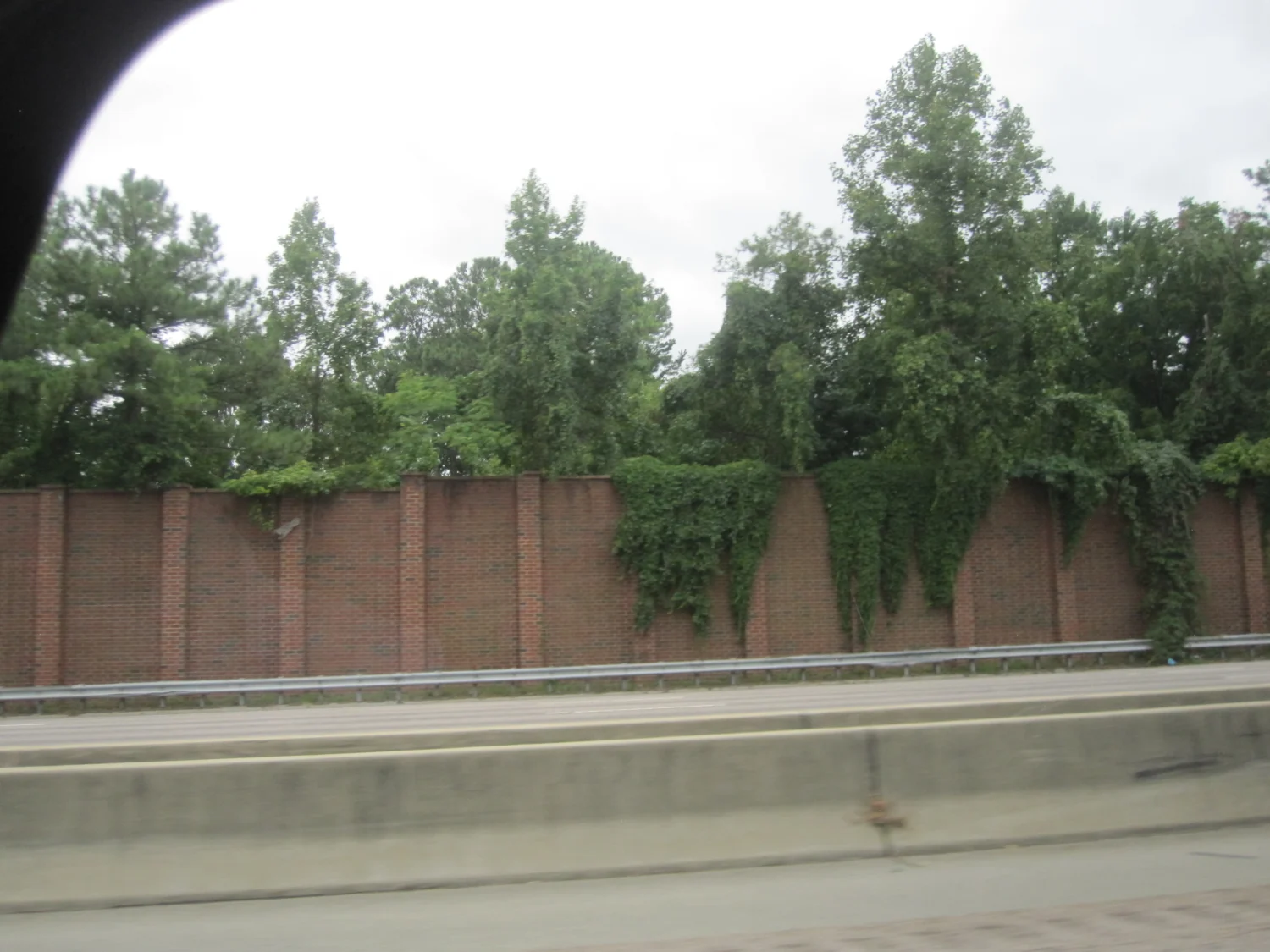
1. Concrete sound walls
Dense, continuous walls can interrupt the direct sound path between equipment and nearby residences. Height, length, placement and gaps determine how much reduction is achieved.
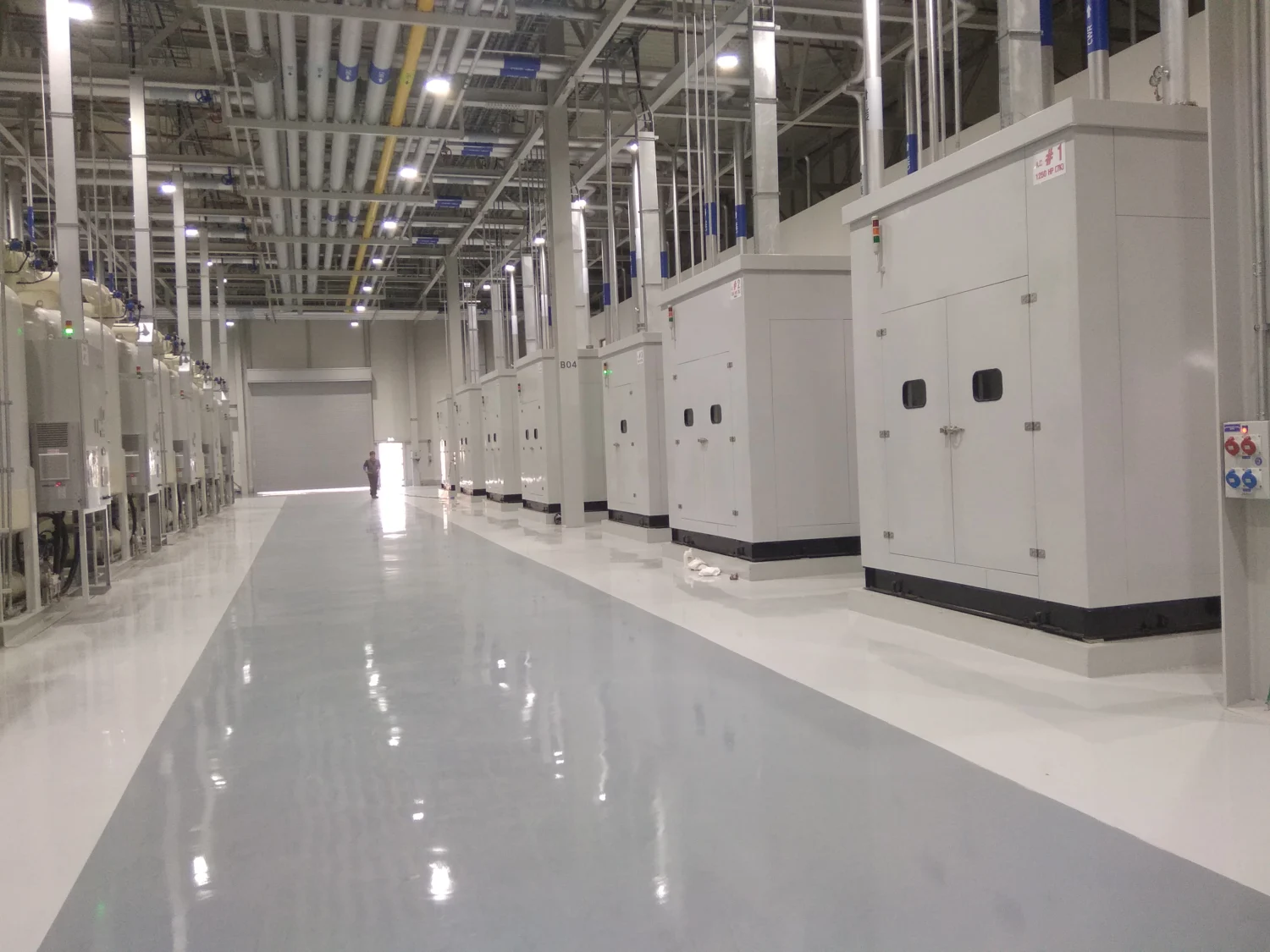
2. Industrial acoustic enclosures and panels
Engineered metal enclosures and acoustic panels can surround cooling and mechanical equipment, controlling noise at its source.
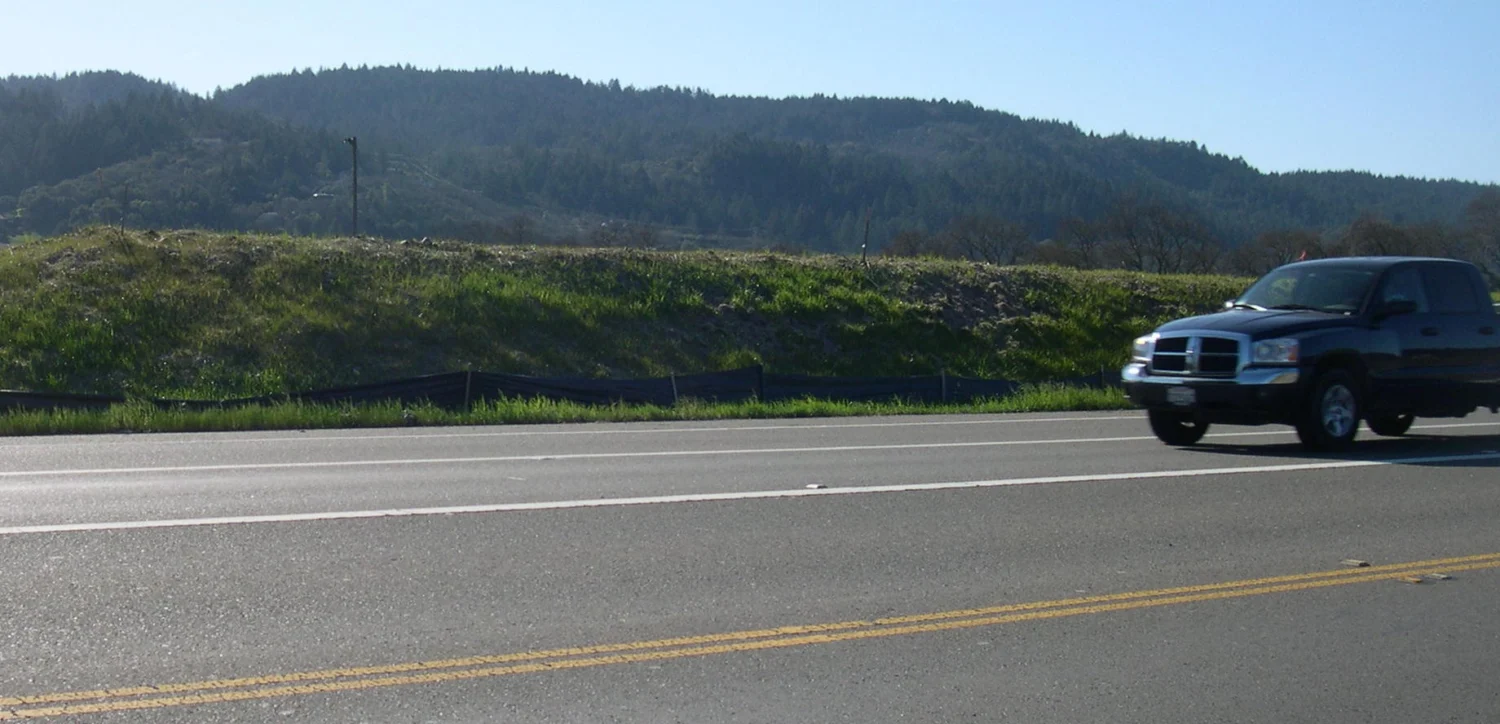
3. Landscaped earth berms
Raised soil mounds can provide screening and some sound reduction if designed with adequate height, width and location. Trees alone are not a reliable noise barrier.
4. Berm-and-wall combinations
A sound wall constructed above a properly engineered berm may achieve more effective screening than a low wall alone. The township should require a site-specific engineered design, including drainage and stability.
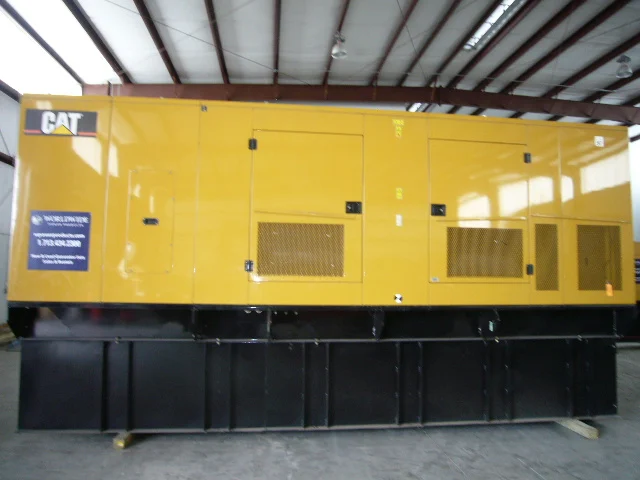
5. Quiet generator enclosures and exhaust silencers
Generators should be specified with suitable acoustic housings, vibration isolation and exhaust silencers. Testing schedules and emergency operations also need enforceable rules.
Mahanoy Township rules explained: sound, vibration, setbacks
Only for projects covered by Mahanoy Township’s Ordinance 2026-4: the ordinance lists restrictions on normal operating sound at specified locations and calls for professional sound and vibration studies. Read the primary source here.
Mon–Fri, 7 a.m.–8 p.m.
Check the ordinance’s exact hours
May be reduced to 500 ft with approved engineering evidence
These are not measured sound levels at a proposed facility. dB(A) is a logarithmic, frequency-weighted measure. The 67/57 dB(A) figures are measured at specified sensitive locations or residential/conservation zoning boundaries, while sound studies must also address property-line locations during designated phases.
| Requirement | What residents can request |
|---|---|
| Sound studies before development and after occupancy | Measurements at homes and property lines, equipment predictions, independent peer review and publicly posted results. |
| No measurable vibration beyond property line | Baseline data, instruments used, measurement threshold, equipment-specific vibration isolation, follow-up tests. |
| 1,000-ft principal-building setback; possible 500-ft reduction | Actual scaled maps showing homes, chillers, generators, berms, sound walls and any approved exception. |
| 200-ft buffer yards on specified boundaries | Illustrations of planting, berm heights, walls, drainage and long-term maintenance. |
| $5,000 per day for violating sound provisions | Who takes complaints? How fast are repeat measurements ordered? When is enforcement documented? |
The normal decibel limits do not apply during power outages, although the ordinance requires modeling of emergency-generation sound. An as-built sound study is due six months after occupancy; additional studies may be required. The published weekend hours leave a period that residents should ask the township to clarify in writing.
A-weighted readings alone may not describe low-frequency, tonal or persistent hum. Ask whether the project study will include dB(C), one-third-octave frequency analysis and nighttime measurements at actual nearby homes. These are suggested additional protections, not requirements already verified in the posted ordinance.
Verification note: The 3–0 November 10 vote was reported by the Shenandoah Sentinel; the township’s public online ordinance still contains an unfilled adoption-date line. Signed text and minutes should be checked for a definitive legal interpretation.
What about vibration?
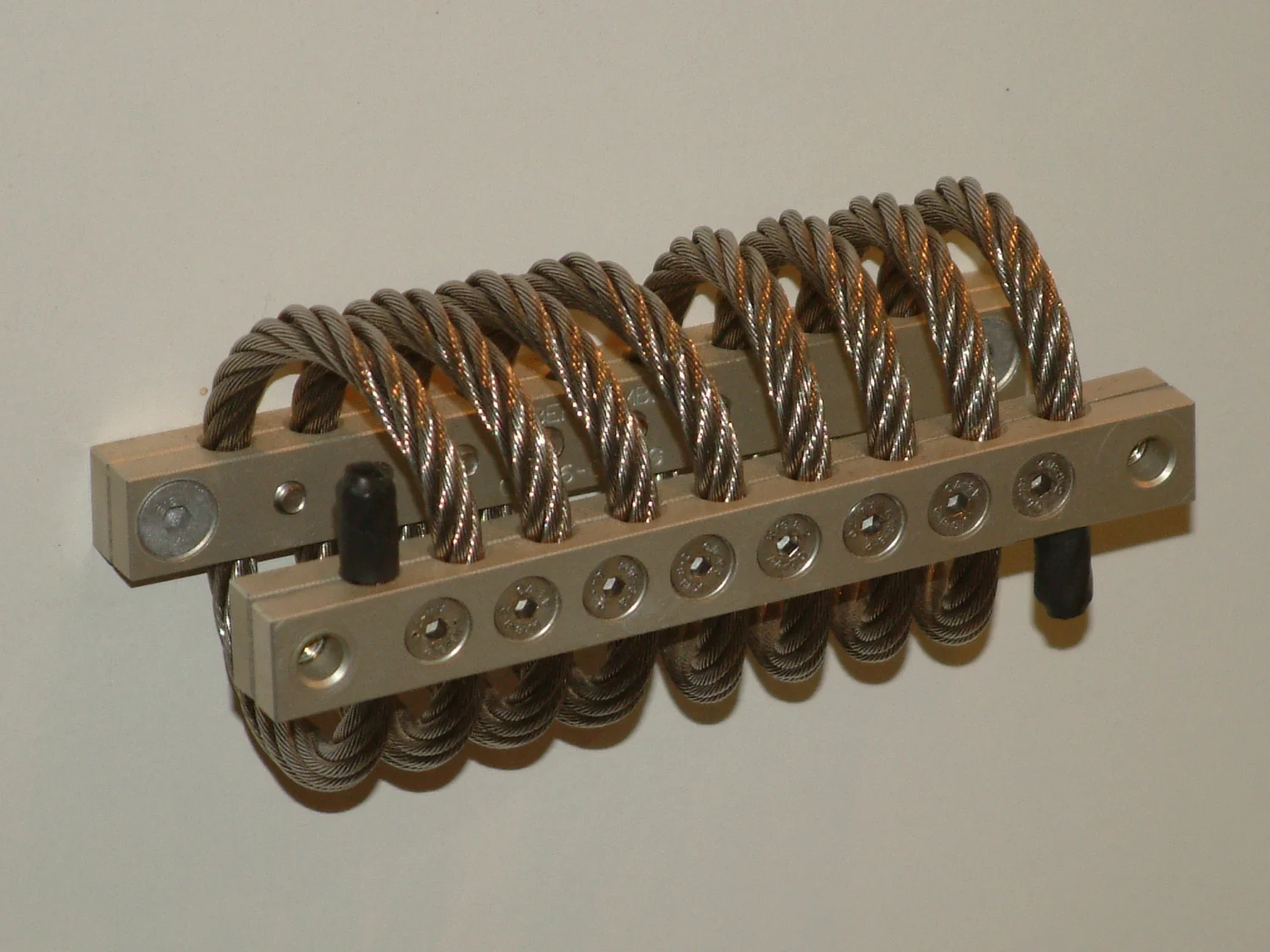
Sound walls generally do not stop vibration traveling through the ground. Effective controls may include isolation mounts, specially engineered foundations, flexible connections and equipment-specific monitoring. Residents should request baseline measurements before construction and independent follow-up testing during operation.
What should residents ask local officials to require?
- Independent acoustic modeling at nearby homes, including nighttime and low-frequency conditions.
- Source-level noise controls and engineered barriers where necessary.
- Generator-testing schedules and enforceable safeguards during normal and emergency operation.
- Baseline and follow-up vibration testing using published measurement standards.
- Public access to reports, clear complaint procedures, corrective deadlines and enforceable penalties.
What can homeowners do?
First, document dates, times and the character of any noise; request municipal enforcement and independent measurements. Before paying for a private barrier, consult a qualified acoustic professional. A solid, gap-free wall may help if it blocks the line of sight to the source, but height, setback, wind loads, permits, utilities and drainage matter. Standard privacy fences and narrow rows of trees are not reliable soundproofing. Sealed windows and secondary glazing can help some indoor airborne noise, while low-frequency noise and vibration may require specialist assessment.
Why this location? Alternatives are a fair question — including the ocean
Residents can reasonably insist on seeing a serious comparison of locations before accepting permanent industrial impacts near their homes. Developers may have compelling reasons to select a particular parcel, such as existing power, fiber connectivity, land, zoning or cooling resources. Those reasons should be explained and supported with evidence, not just asserted.
“Which alternative sites did you evaluate, why were they rejected, and what independent evidence shows this location offers the best protection for nearby homes, water supplies and taxpayers?”
Could data centers be built underwater?
Yes — the concept has been tested. Microsoft’s Project Natick submerged a research data-center vessel off Scotland to study cooling and reliability. But Microsoft discontinued pursuing undersea deployment as a commercial program; Reuters reported economic and market obstacles. Undersea operation is an option to study, not proof that oceans can currently replace inland campuses at scale.
The ocean provides cooling potential, but underwater facilities still require electric power, high-capacity data connections, corrosion-resistant structures, maintenance plans, environmental permitting and careful accounting for heat released to marine ecosystems. Plenty of seawater does not make water use or environmental impact disappear.
What about industrial sites or contaminated land?
The U.S. Environmental Protection Agency explicitly provides guidance for assessing data centers on brownfield sites. Previously industrial land, suitable reclaimed areas and existing utility corridors may deserve a close comparison, but each site still needs an honest assessment of cleanup, power, water, construction costs and neighboring communities.
Research demonstrated possibility; high servicing, infrastructure and ecological hurdles remain.
Potential to reuse disturbed land and infrastructure, subject to remediation and compatibility.
Requires especially rigorous review of setbacks, generators, noise, vibration and emergency access.
Tradeoffs deserve a public comparison. It is possible to support technological infrastructure while expecting developers and officials to demonstrate why a chosen site makes sense and how identifiable harms will be controlled.
Quick answers for Schuylkill County residents
Does the 57 dB(A) limit apply to every Schuylkill County township?
No. It is a provision of Mahanoy Township’s posted ordinance. Check the zoning authority and rules applicable to the particular parcel.
Did Mahanoy Township approve a specific data center on November 10?
The reported vote adopted zoning rules, not a specific site’s construction permit. Ask the township for land-development applications and the current docket.
How can I obtain drawings, noise studies or generator plans?
Request them from the municipality that has the application. If needed, use Pennsylvania’s Right-to-Know Law. Follow our records-request guide.
What should I say at a public meeting?
Ask for the actual site plan, baseline and operating noise measurements, low-frequency and vibration testing, alternatives evaluated, independent reviews and a written complaint/enforcement plan. Refer to the specific application and ordinance.
“Please provide the current data-center application, alternatives considered, sound and vibration studies, all proposed setback exceptions, generator testing schedules and the process for submitting comments. Please identify who will independently review the evidence and how compliance will be enforced after construction. I request that my comments be included in the public record.”
See the countywide meeting tracker and learn how to request records.
How residents can get these protections adopted — step by step
The power of repetition is in keeping accurate records. One meeting or one complaint may not be enough. Repeated, specific requests help residents establish what officials have promised and whether those promises became enforceable conditions.
Confirm whether the township supervisors, planning commission or zoning hearing board will review the specific application. Request the site plan, applicant name and meeting schedule.
Email or deliver specific requests: independent noise and vibration testing, low-frequency limits, generator controls, acoustic barriers where needed, and enforceable penalties. Keep copies.
Check the official agenda first; routine meetings do not automatically involve development. Sign in when required, speak calmly, and submit written comments for the record.
At every relevant meeting, ask what has been required, who will enforce it, and where the written answer is available. Persistence creates a documented record, not an automatic guarantee.
Share verified notices, coordinate questions and petitions, and encourage residents to give individual factual accounts. Avoid harassment or unsupported claims.
Ask for site plans, ordinance text, studies, meeting minutes and conditions of approval. Use Pennsylvania’s Right-to-Know process where appropriate.
Email outstanding questions, ask for written responses, and compare official minutes or decisions with previous commitments.
Request objective standards, measurement locations, independent tests, complaint-response deadlines and penalties before permits or approvals where legally possible.
“Please identify the noise and vibration standards that would apply to any proposed data center near homes, require independent baseline and operating studies, and specify when protective walls, berms or equipment enclosures would be mandatory. Please provide the written decision, responsible enforcement official and complaint procedure.”
Stay persistent and respectful. Keep a shared log of meeting dates, official replies, links and outstanding questions. The goal is meaningful, enforceable public protections—not repeated accusations or harassment.
A message to residents
If data centers eventually receive approval, the burden of controlling their noise and vibration should not fall on the families already living here. Continue asking questions and participating in hearings. Demand enforceable protection before construction, not promises to address complaints later. Ask to see actual parcel plans, equipment specifications, sound studies and independent test results.
Editorial verification note (updated November 17): Source links above distinguish reported local votes, primary ordinance text, developer proposals and confirmed project approvals. Readers should verify the signed final text, individual application documents and meeting notices for their municipality.
Primary documents: Mahanoy Township Ordinance 2026-4 · EPA brownfield reuse guidance · Microsoft Project Natick · SkookPA countywide meeting tracker.



0 Comments