
Updated October 27, 2026. Mount Carmel Township’s local disaster emergency over smoke from the ongoing Locust Gap coal-refuse fire has renewed concerns about travel and air quality near the Northumberland–Schuylkill county line. The immediate October 26 danger involved smoke, fog and low visibility—not a newly verified underground coal-seam fire. This report separates documented developments from still-open questions.
What happened Monday
Mount Carmel Township declared a local disaster emergency on Monday, October 26, 2026, after smoke from the continuing Locust Gap coal-refuse fire began affecting nearby neighborhoods and motorists. Accounts from the township described a particularly troublesome combination of smoke and early-morning fog. The result was sharply reduced visibility on Route 901, temporary traffic restrictions, and calls from residents who said the air was irritating their eyes and making it harder to breathe. The declaration is a response to those conditions. It is not evidence that a separate new underground coal seam caught fire overnight.
This is an important distinction for readers who are familiar with the long history of mine fires in Pennsylvania. A fire in a refuse or culm bank can be serious without behaving like the underground fire associated with Centralia. Local residents still have reason to pay attention because smoke does not remain neatly inside property lines. On a cold morning, conditions on a street or highway can become hazardous even if the burning material has not moved into a new area.
Where Locust Gap is and why Schuylkill County should pay attention
Locust Gap is in Mount Carmel Township, Northumberland County, near the border with Schuylkill County. The burning waste bank is on land described in local reports as Reading Anthracite property, west of Marshall Street. Mount Carmel Township and communities along the coal-region road network are linked by daily travel for school, work, shopping and medical appointments. The effects therefore interest readers beyond the township where the emergency was declared.
Official water-use documents specifically describe a Locust Gap Refuse Bank Fire project spanning Mount Carmel Township and Butler Township in Northumberland and Schuylkill counties. That geographic description relates to the approved firefighting water project. It should not be read as proof that every township named has been covered in smoke. Wind, terrain and weather can change the direction of a plume, and no reliable, block-by-block smoke map was identified in the public information reviewed for this report.
Route 901 visibility problems and driving safety
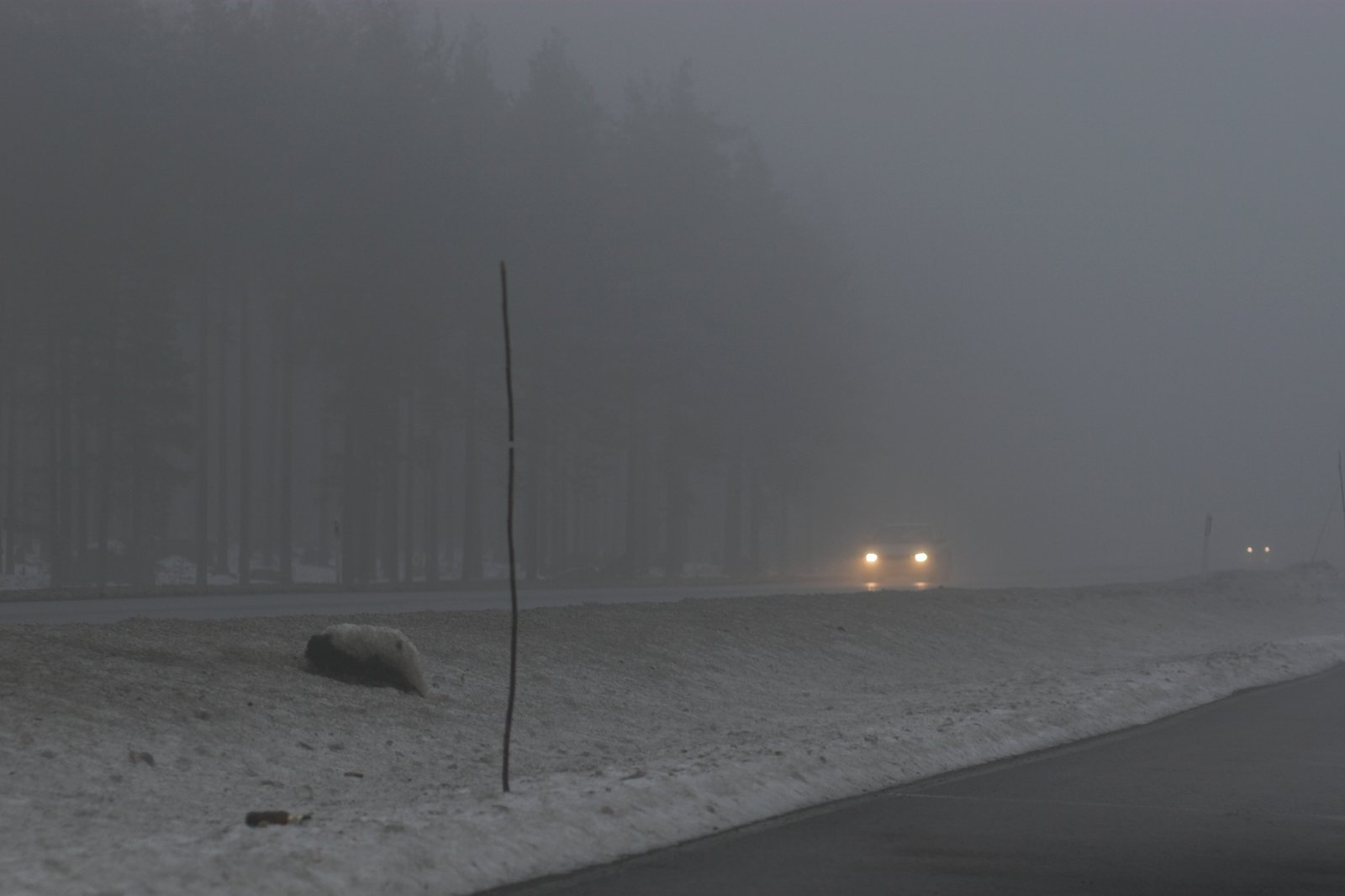
According to coverage citing Township Police and Fire Chief Brian Hollenbush, conditions became especially difficult around 6 a.m. Monday in the vicinity of Routes 54 and 901 and Locust Summit. Smoke reportedly mixed with fog, producing near-whiteout visibility and several near-collisions. Route 901 was briefly closed as a protective measure. Those reports describe Monday morning, not a verified live closure at the moment a reader opens this article.
Anyone traveling through the area should consult Pennsylvania’s 511PA traffic information, observe variable-message signs and follow directions from police or road crews. A closed road should never be bypassed simply because a navigation app still suggests that route. If visibility deteriorates suddenly, reduce speed without braking abruptly, increase following distance and seek a safe place away from moving traffic when necessary. Do not stop in an active travel lane to photograph smoke, and do not assume a familiar route is safe because it was clear during a previous trip.
The township also identified Merriam Mountain Road as an area where motorists should use caution. Conditions may differ between a valley bottom, an exposed ridge and an intersection where smoke accumulates. A photograph from another location, or a forecast for the county in general, cannot confirm the exact visibility a driver will find along Route 901.
What residents have reported
Local reporting described residents calling officials about burning eyes, dry mouth, sulfur-like odors and breathing discomfort. These are reports from residents, not a published count of medically diagnosed injuries. There has not been sufficient verified incident-specific testing in the sources reviewed to assign numerical pollutant levels to each complaint. A responsible local update should take residents’ concerns seriously without inventing air-quality measurements or suggesting that every symptom has been formally attributed to a particular substance.
The strongest practical message for nearby households is to follow fresh instructions from emergency management and health authorities. Township officials urged people to keep their windows closed when smoke is present. People with respiratory conditions, children and older residents may be especially concerned about smoke exposure. Anyone experiencing serious breathing difficulty, chest pain or another emergency should seek urgent medical assistance. General advice about minimizing exposure is not a substitute for an individualized medical evaluation.
What is a coal-refuse or culm-bank fire?
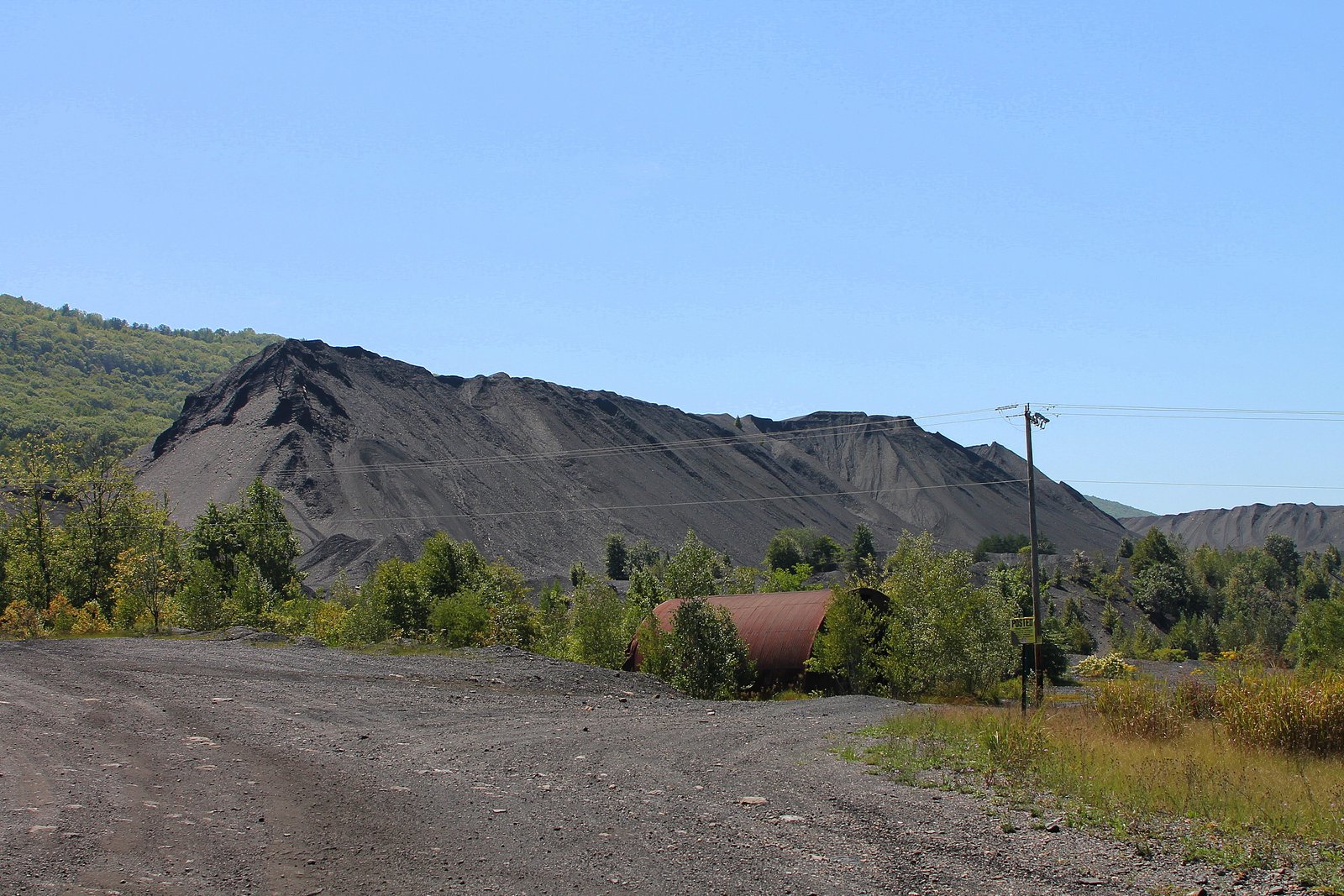
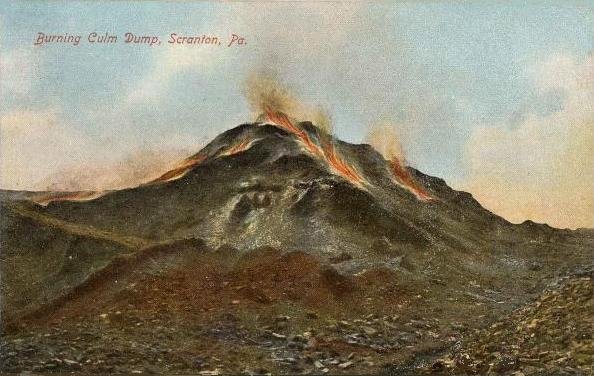
Anthracite mining and preparation generated mountains of material that was unsuitable for sale as fuel. Those banks can contain a mixture of rock, shale, fine coal and combustible remnants. When enough coal remains in the waste, a fire may smolder within the pile. Heat can remain below the surface, and changes in air access or excavation can reveal fresh hot sections. That makes extinguishment more complicated than putting water on the visible surface of a small brush fire.
The term ‘mine fire’ is sometimes used broadly in public conversation, but the specifics matter. The documented Locust Gap project concerns a burning refuse bank. That is not the same statement as confirming an underground vein fire spreading through operating mines. Earlier reporting said environmental officials saw no danger of the refuse-bank fire spreading into an underground coal vein at that time. An assessment of underground spread does not automatically answer questions about smoke, visibility or short-term exposure in nearby homes.
Coal-region history explains why people understandably react strongly to headlines about a mine fire. Still, comparisons to other incidents should be based on confirmed geology, site conditions and agency findings rather than assumptions drawn from the word ‘mine.’
How crews are working on the fire
Pennsylvania’s Department of Environmental Protection, through its Bureau of Abandoned Mine Reclamation, has been involved in the effort to extinguish the fire. Accounts of the ongoing response describe excavation of burning refuse and the use of water to cool and control hot material. That work can expose pockets that were previously covered. The process may increase visible smoke in the short term without proving that the fire has spread to an entirely new underground location.
Official records provide an independent indicator that this is an organized firefighting project rather than an informal response. A Susquehanna River Basin Commission general permit approved July 21, 2026, allows withdrawals and consumptive water use of up to 0.720 million gallons per day, calculated as a 30-day average. The authorized sources are listed as Admiral Breaker Water Well, Girardville Breaker Water Well and Commissioner’s Lake Mine Pit. The permitted ceiling is not a statement that crews are actually using that much water every day.
Any project of this type depends on site access, excavation conditions, managing water, protecting workers and confirming that material has been cooled adequately. The existence of a permit demonstrates planning capacity, not that extinguishment has been completed or that smoke levels will fall according to a guaranteed calendar.
Why cool mornings can worsen visibility
Smoke behaves differently as weather conditions change. Lower temperatures, moisture and light winds can contribute to poor dispersion close to the ground. Fog can amplify a driving hazard by adding suspended water droplets to an already hazy scene. That does not mean the coal fire becomes more intense every time visibility worsens. Instead, the material being emitted and the conditions carrying it through the air may produce a different experience on nearby roads.
Drivers often encounter this problem at dawn, when temperature differences and moisture can be pronounced. As daytime conditions change, the appearance of the plume may change too. But a temporary improvement in what people can see is not a verified declaration that the fire has ended or that monitoring is no longer needed. Residents should watch for official updates and be cautious about online claims that everything is clear simply because one photograph looks better.
What the local disaster declaration changes
A local disaster emergency can help government officials coordinate resources, request support and address immediate threats. Mount Carmel Township’s October 26 action followed an October 21 decision to seek more state attention for the burning site. The later move reflects a higher level of concern about the community effects after weekend conditions reportedly deteriorated.
Such a declaration does not, by itself, produce a check, an air-monitoring station or a fixed date for the completion of firefighting. Officials may pursue equipment, supplies, assistance or reimbursement, but approval and delivery of those resources must be confirmed separately. Residents should distinguish between equipment that has been requested and equipment that has actually been installed. That distinction is particularly important for monitoring and electronic road-warning signs.
Local leaders also have to weigh the responsibilities of a private property owner, township government and state agencies. Those questions can take time to resolve, and reporting should not present unresolved funding or responsibility questions as settled findings.
Requests for better air monitoring
Township officials reportedly contacted DEP seeking additional air-quality-monitoring equipment in Locust Gap. Monitoring is valuable because it can turn an understandable description such as ‘the smoke is strong this morning’ into specific data collected at a known location and time. Even then, a reading from one point cannot perfectly describe exposure at every house, school or roadway segment.
To be useful, a public report should identify what was measured, where measurements were taken, whether the instruments were deployed, and what period the results cover. One number without that context may mislead. At the time of this article’s preparation, verified October 26 incident-specific numerical readings were not available from the sources reviewed. We will not substitute a regional air-quality index for measurements at the fire site or imply that air quality is safe without evidence.
What we know — and what remains unconfirmed
Confirmed reporting supports the following chronology: the coal-refuse fire was already burning; township supervisors sought more state help October 21; smoke and fog produced hazardous conditions on October 26; Route 901 was temporarily closed; and township officials declared an emergency. The official July water-use authorization also establishes that DEP’s extinguishment effort predates the emergency declaration.
Unconfirmed details include a firm date when all hot material will be extinguished, precise exposure boundaries, a verified number of smoke-related medical cases, the arrival date of requested monitors, and the current status of each road segment at any future moment. Because those answers are not established, this article does not invent them. Readers looking for the latest direction should prioritize local emergency alerts and direct agency statements over reposted screenshots from earlier hours.
Practical steps for nearby residents
Keep an eye on municipal and county emergency messages if you live near Locust Gap or normally drive Route 901. When smoke is present, limit unnecessary outdoor exertion, close exterior windows as directed by local officials and consider relocating temporarily to a cleaner-air place if officials recommend it and if that is safe and practical. If your home’s ventilation system has an appropriate recirculation setting and filter, consult the equipment instructions rather than improvising unsafe modifications.
Families with children should check notices from schools about activities and bus transportation rather than assuming every schedule has changed. Employers and delivery operators should similarly verify whether travel routes are affected before dispatching vehicles. Do not approach the waste pile to get a better photograph; excavation sites and heated refuse can present hazards that are not visible from a public road.
For road status, the state maintains 511PA. For environmental-response information, check Pennsylvania DEP. For urgent danger or serious symptoms, contact emergency services. A public article should help readers find the right authority, not pretend to replace one.
What officials and readers should watch next
A useful next update would identify whether new air-quality equipment has been installed and what its readings actually show. A second milestone would be written guidance on traffic controls and warning boards, including exact roads, times and the agency issuing the notice. A third would be a revised timeline from DEP explaining how much burning material remains to be treated and how the work will continue through late fall.
It would also help residents to know whether there are formal community meetings, hotline numbers or an official place to submit smoke complaints. Publishing a confirmed reporting channel can be more valuable than repeatedly sharing dramatic photographs. People living closest to the response deserve clear explanations of both the protective measures that are available now and the longer-term steps underway.
Why this matters across the Coal Region
Mine waste is part of the physical landscape and history of the Anthracite Region. Residents can recognize the industry’s role in building towns while still demanding careful management of environmental hazards left behind. Historic refuse piles remain near roads, homes, wooded hillsides and waterways in numerous communities. Addressing a burning bank therefore involves public safety, road access, environmental oversight and public trust at the same time.
The Locust Gap emergency is a reminder that the effects of older industrial sites can change quickly with weather and excavation work. It is also a reminder of the difference between documenting a problem and showing that a particular solution is working. Coverage will be strongest when it follows the verified monitoring results, on-the-ground travel effects and official progress reports, not only the initial emergency declaration.
Where to find updates
Readers can review the Pennsylvania Bulletin notice for the Locust Gap extinguishment project’s water authorization and visit the state 511PA service for current traffic information. Mount Carmel Township and the Pennsylvania Department of Environmental Protection are appropriate sources to follow for the local emergency and the status of response work. We will update this story if new official information materially changes the verified picture.
Related Coal Region reporting and local guides are available through SkookPA NewZ. For readers interested in the history of anthracite mining and the towns it shaped, our separate Schuylkill County coal-history feature provides background. For local homeowner questions about property research and land conditions, our Schuylkill public-records guide explains how to begin checking documents and local government sources.
Related SkookPA reporting: Why Schuylkill County Is Coal Country and How to verify county road closures and detours. Homeowners exploring real-estate documents can visit KennethHoffmaster.com; the professional website is not a source for emergency instructions.
Sources and verification
Key sources: October 26 emergency reporting with links to the township’s officials and local media; Pennsylvania Bulletin, August 22, 2026, Locust Gap water authorization; 511PA travel updates; Pennsylvania DEP. Firefighting schedules, road status and air readings may change after publication.




0 Comments