
Saint Clair, PA: Route 61 Access and Coal Region History is an expanded Skook PA NewZ guide built for people who want useful local context, practical planning information, and a better understanding of how Saint Clair fits into Schuylkill County.
Location and Regional Access
Saint Clair sits within a county where geography strongly influences everyday travel. Location and Regional Access should be considered alongside mountain roads, older borough streets, regional highways, and nearby communities. A short distance on a map does not always translate into a short or easy trip, particularly during winter weather or road work. Residents often build routines around familiar corridors and neighboring towns, which is one reason local knowledge matters.
For real estate in Saint Clair, older construction should prompt careful investigation rather than an automatic conclusion. Roofs, foundations, drainage, electrical service, plumbing, heating, windows, and prior renovations may have been updated at different times. Buyers benefit from inspections and property-specific verification. Sellers benefit from accurate disclosure, good records, and presenting the home clearly rather than relying only on cosmetic improvements.
Coal Region Roots
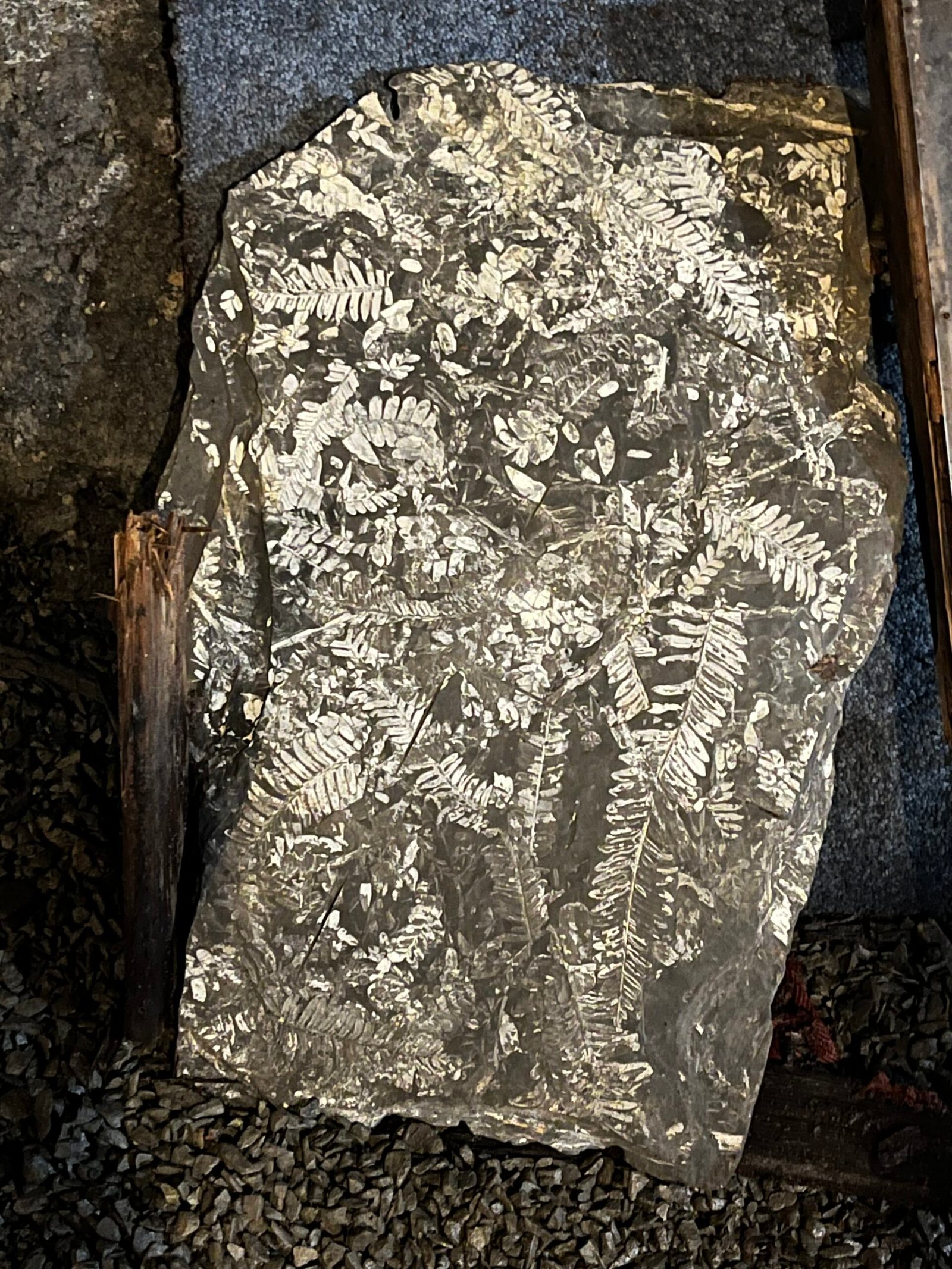
Coal Region history remains part of Saint Clair’s built environment. Older homes, commercial blocks, churches, social halls, cemeteries, and former industrial corridors reflect a period when anthracite mining and rail transportation shaped population growth. Understanding that history helps explain housing density, street width, neighborhood layout, and the strong community identity found in many Schuylkill County boroughs.
Community life is built through schools, volunteer fire companies, churches, sports, local businesses, civic groups, and recurring events. Those organizations help explain how Saint Clair maintains its identity while residents travel throughout the county for employment, shopping, healthcare, and recreation. Visitors who want a better understanding of the town should notice these institutions rather than judge the community from one commercial strip or one residential block.
Street Pattern and Housing
Street Pattern and Housing can differ block by block in Saint Clair. Attached homes, twins, detached houses, garages, rear alleys, steep grades, and varying property conditions can exist within a relatively small area. Anyone researching a move should compare several streets, visit at different times, and look beyond the listing itself. Parking, traffic, lighting, access, and neighboring property conditions can all affect daily experience.
Seasonal conditions make street pattern and housing more important. Winter can bring snow, ice, plowing, parking restrictions, and higher heating use. Spring can reveal drainage and moisture issues. Summer brings longer evenings and more outdoor events, while autumn highlights the surrounding ridges. A property, commute, or street may feel different in another season, so long-term decisions should account for those changes.
Parking and Alleys
For real estate in Saint Clair, older construction should prompt careful investigation rather than an automatic conclusion. Roofs, foundations, drainage, electrical service, plumbing, heating, windows, and prior renovations may have been updated at different times. Buyers benefit from inspections and property-specific verification. Sellers benefit from accurate disclosure, good records, and presenting the home clearly rather than relying only on cosmetic improvements.
Time-sensitive details about Saint Clair should always be verified. Municipal rules, event dates, business hours, taxes, utilities, parking regulations, and property records can change. Online information is useful for research, but the final answer should come from the municipality, service provider, organizer, or current property documentation when a decision depends on it.
Utilities and Heating
Community life is built through schools, volunteer fire companies, churches, sports, local businesses, civic groups, and recurring events. Those organizations help explain how Saint Clair maintains its identity while residents travel throughout the county for employment, shopping, healthcare, and recreation. Visitors who want a better understanding of the town should notice these institutions rather than judge the community from one commercial strip or one residential block.
The strongest way to learn Saint Clair is to combine online research with time on the ground. Drive the main routes, walk a few blocks where practical, visit a local business, compare neighborhoods, and look at how the town connects with surrounding communities. Those observations reveal daily-life details that generic data pages and automated maps often miss.
Community Institutions
Seasonal conditions make community institutions more important. Winter can bring snow, ice, plowing, parking restrictions, and higher heating use. Spring can reveal drainage and moisture issues. Summer brings longer evenings and more outdoor events, while autumn highlights the surrounding ridges. A property, commute, or street may feel different in another season, so long-term decisions should account for those changes.
Saint Clair sits within a county where geography strongly influences everyday travel. Community Institutions should be considered alongside mountain roads, older borough streets, regional highways, and nearby communities. A short distance on a map does not always translate into a short or easy trip, particularly during winter weather or road work. Residents often build routines around familiar corridors and neighboring towns, which is one reason local knowledge matters.
Local Business Life
Time-sensitive details about Saint Clair should always be verified. Municipal rules, event dates, business hours, taxes, utilities, parking regulations, and property records can change. Online information is useful for research, but the final answer should come from the municipality, service provider, organizer, or current property documentation when a decision depends on it.
Coal Region history remains part of Saint Clair’s built environment. Older homes, commercial blocks, churches, social halls, cemeteries, and former industrial corridors reflect a period when anthracite mining and rail transportation shaped population growth. Understanding that history helps explain housing density, street width, neighborhood layout, and the strong community identity found in many Schuylkill County boroughs.
Roads and Commutes
The strongest way to learn Saint Clair is to combine online research with time on the ground. Drive the main routes, walk a few blocks where practical, visit a local business, compare neighborhoods, and look at how the town connects with surrounding communities. Those observations reveal daily-life details that generic data pages and automated maps often miss.
Roads and Commutes can differ block by block in Saint Clair. Attached homes, twins, detached houses, garages, rear alleys, steep grades, and varying property conditions can exist within a relatively small area. Anyone researching a move should compare several streets, visit at different times, and look beyond the listing itself. Parking, traffic, lighting, access, and neighboring property conditions can all affect daily experience.
Outdoor Access
Saint Clair sits within a county where geography strongly influences everyday travel. Outdoor Access should be considered alongside mountain roads, older borough streets, regional highways, and nearby communities. A short distance on a map does not always translate into a short or easy trip, particularly during winter weather or road work. Residents often build routines around familiar corridors and neighboring towns, which is one reason local knowledge matters.
For real estate in Saint Clair, older construction should prompt careful investigation rather than an automatic conclusion. Roofs, foundations, drainage, electrical service, plumbing, heating, windows, and prior renovations may have been updated at different times. Buyers benefit from inspections and property-specific verification. Sellers benefit from accurate disclosure, good records, and presenting the home clearly rather than relying only on cosmetic improvements.
Seasonal Conditions
Coal Region history remains part of Saint Clair’s built environment. Older homes, commercial blocks, churches, social halls, cemeteries, and former industrial corridors reflect a period when anthracite mining and rail transportation shaped population growth. Understanding that history helps explain housing density, street width, neighborhood layout, and the strong community identity found in many Schuylkill County boroughs.
Community life is built through schools, volunteer fire companies, churches, sports, local businesses, civic groups, and recurring events. Those organizations help explain how Saint Clair maintains its identity while residents travel throughout the county for employment, shopping, healthcare, and recreation. Visitors who want a better understanding of the town should notice these institutions rather than judge the community from one commercial strip or one residential block.
Visiting the Town
Visiting the Town can differ block by block in Saint Clair. Attached homes, twins, detached houses, garages, rear alleys, steep grades, and varying property conditions can exist within a relatively small area. Anyone researching a move should compare several streets, visit at different times, and look beyond the listing itself. Parking, traffic, lighting, access, and neighboring property conditions can all affect daily experience.
Seasonal conditions make visiting the town more important. Winter can bring snow, ice, plowing, parking restrictions, and higher heating use. Spring can reveal drainage and moisture issues. Summer brings longer evenings and more outdoor events, while autumn highlights the surrounding ridges. A property, commute, or street may feel different in another season, so long-term decisions should account for those changes.
Buying Property Locally
For real estate in Saint Clair, older construction should prompt careful investigation rather than an automatic conclusion. Roofs, foundations, drainage, electrical service, plumbing, heating, windows, and prior renovations may have been updated at different times. Buyers benefit from inspections and property-specific verification. Sellers benefit from accurate disclosure, good records, and presenting the home clearly rather than relying only on cosmetic improvements.
Time-sensitive details about Saint Clair should always be verified. Municipal rules, event dates, business hours, taxes, utilities, parking regulations, and property records can change. Online information is useful for research, but the final answer should come from the municipality, service provider, organizer, or current property documentation when a decision depends on it.
Selling Property Locally
Community life is built through schools, volunteer fire companies, churches, sports, local businesses, civic groups, and recurring events. Those organizations help explain how Saint Clair maintains its identity while residents travel throughout the county for employment, shopping, healthcare, and recreation. Visitors who want a better understanding of the town should notice these institutions rather than judge the community from one commercial strip or one residential block.
The strongest way to learn Saint Clair is to combine online research with time on the ground. Drive the main routes, walk a few blocks where practical, visit a local business, compare neighborhoods, and look at how the town connects with surrounding communities. Those observations reveal daily-life details that generic data pages and automated maps often miss.
Current Information to Verify
Seasonal conditions make current information to verify more important. Winter can bring snow, ice, plowing, parking restrictions, and higher heating use. Spring can reveal drainage and moisture issues. Summer brings longer evenings and more outdoor events, while autumn highlights the surrounding ridges. A property, commute, or street may feel different in another season, so long-term decisions should account for those changes.
Saint Clair sits within a county where geography strongly influences everyday travel. Current Information to Verify should be considered alongside mountain roads, older borough streets, regional highways, and nearby communities. A short distance on a map does not always translate into a short or easy trip, particularly during winter weather or road work. Residents often build routines around familiar corridors and neighboring towns, which is one reason local knowledge matters.
How the Town Fits the County
Time-sensitive details about Saint Clair should always be verified. Municipal rules, event dates, business hours, taxes, utilities, parking regulations, and property records can change. Online information is useful for research, but the final answer should come from the municipality, service provider, organizer, or current property documentation when a decision depends on it.
Coal Region history remains part of Saint Clair’s built environment. Older homes, commercial blocks, churches, social halls, cemeteries, and former industrial corridors reflect a period when anthracite mining and rail transportation shaped population growth. Understanding that history helps explain housing density, street width, neighborhood layout, and the strong community identity found in many Schuylkill County boroughs.
Frequently Asked Questions
What should I verify before I go or make a decision?
What should I verify before I go or make a decision? can differ block by block in Saint Clair. Attached homes, twins, detached houses, garages, rear alleys, steep grades, and varying property conditions can exist within a relatively small area. Anyone researching a move should compare several streets, visit at different times, and look beyond the listing itself. Parking, traffic, lighting, access, and neighboring property conditions can all affect daily experience.
What changes by season?
For real estate in Saint Clair, older construction should prompt careful investigation rather than an automatic conclusion. Roofs, foundations, drainage, electrical service, plumbing, heating, windows, and prior renovations may have been updated at different times. Buyers benefit from inspections and property-specific verification. Sellers benefit from accurate disclosure, good records, and presenting the home clearly rather than relying only on cosmetic improvements.
What should first-time visitors know?
Community life is built through schools, volunteer fire companies, churches, sports, local businesses, civic groups, and recurring events. Those organizations help explain how Saint Clair maintains its identity while residents travel throughout the county for employment, shopping, healthcare, and recreation. Visitors who want a better understanding of the town should notice these institutions rather than judge the community from one commercial strip or one residential block.
How important are local rules?
Seasonal conditions make how important are local rules? more important. Winter can bring snow, ice, plowing, parking restrictions, and higher heating use. Spring can reveal drainage and moisture issues. Summer brings longer evenings and more outdoor events, while autumn highlights the surrounding ridges. A property, commute, or street may feel different in another season, so long-term decisions should account for those changes.
Where can I find current information?
Time-sensitive details about Saint Clair should always be verified. Municipal rules, event dates, business hours, taxes, utilities, parking regulations, and property records can change. Online information is useful for research, but the final answer should come from the municipality, service provider, organizer, or current property documentation when a decision depends on it.
What are common mistakes?
The strongest way to learn Saint Clair is to combine online research with time on the ground. Drive the main routes, walk a few blocks where practical, visit a local business, compare neighborhoods, and look at how the town connects with surrounding communities. Those observations reveal daily-life details that generic data pages and automated maps often miss.
How can I support nearby businesses?
Saint Clair sits within a county where geography strongly influences everyday travel. How can I support nearby businesses? should be considered alongside mountain roads, older borough streets, regional highways, and nearby communities. A short distance on a map does not always translate into a short or easy trip, particularly during winter weather or road work. Residents often build routines around familiar corridors and neighboring towns, which is one reason local knowledge matters.
Where can I read more local coverage?
Coal Region history remains part of Saint Clair’s built environment. Older homes, commercial blocks, churches, social halls, cemeteries, and former industrial corridors reflect a period when anthracite mining and rail transportation shaped population growth. Understanding that history helps explain housing density, street width, neighborhood layout, and the strong community identity found in many Schuylkill County boroughs.
Related Local Resources
- Browse related Skook PA NewZ coverage
- Use additional local resources
- Check current regional information
Rules, hours, permits, seasons, property details, business information and conditions can change. Verify time-sensitive details with the responsible official source.


0 Comments