
Buying an Older Home in Schuylkill County: What to Watch For is a comprehensive Schuylkill County real-estate guide built around one principle: older homes and local transactions deserve careful, property-specific evaluation. The county contains a wide mix of rowhomes, twins, detached houses, historic properties, rural homes, mixed-use buildings, mobile homes, garages, workshops, and properties that have been altered many times over decades.
This article provides general educational information. It does not replace a home inspection, legal advice, lender guidance, an insurance quote, title work, municipal records, engineering advice, or property-specific representation.
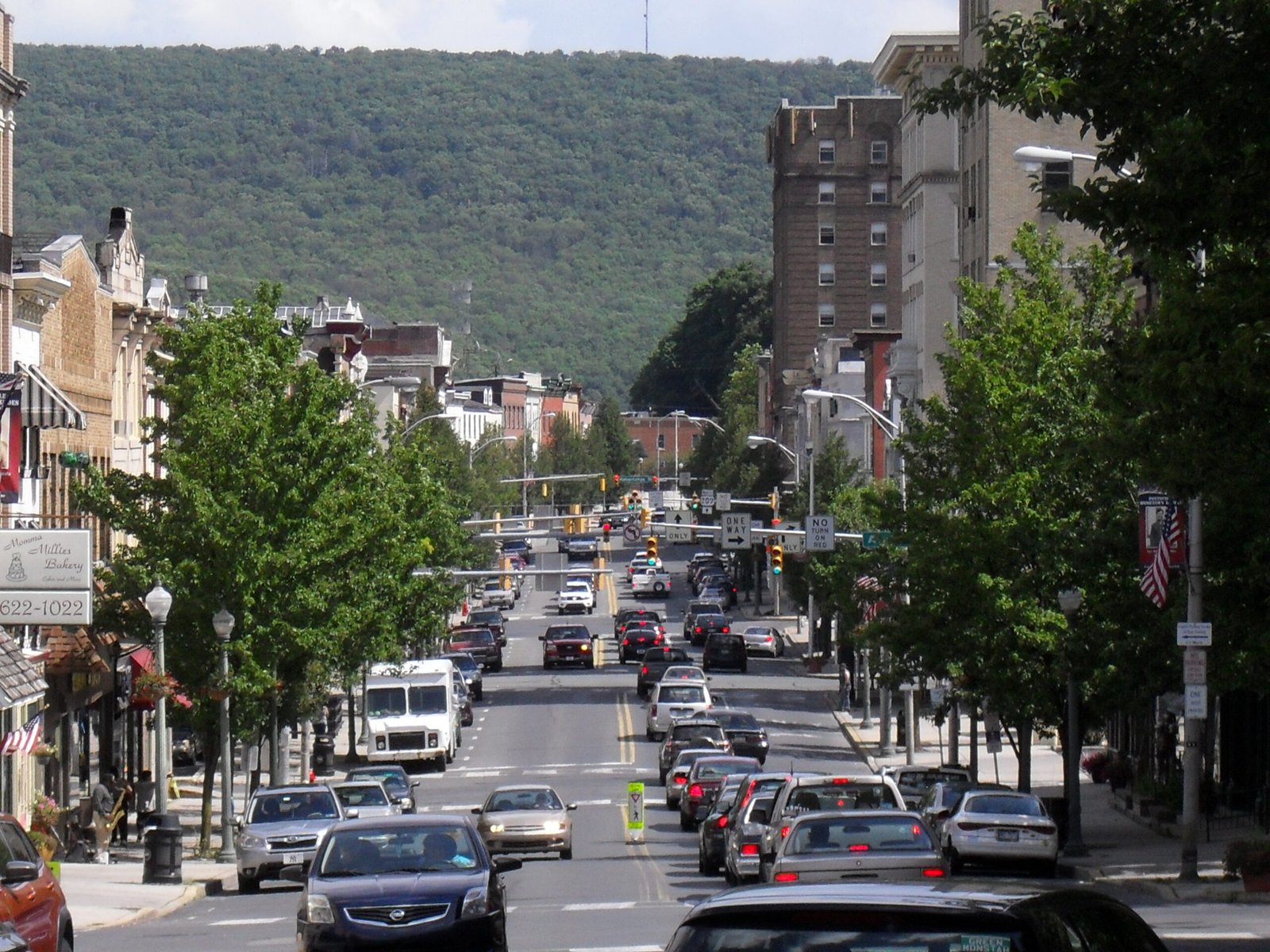
Why Older Homes Deserve A Different Approach
With why older homes deserve a different approach, the biggest mistake is relying on a general rule when the property itself can be inspected, documented, or verified. Older housing in Schuylkill County can range from carefully maintained homes with thoughtful updates to properties where several generations of repairs were layered together. The right approach is to identify the condition of the actual house, not assume that age automatically means either quality or trouble.
The transaction team matters when dealing with why older homes deserve a different approach. A REALTOR® coordinates the process, but inspectors, lenders, title professionals, insurance agents, municipalities, contractors, and attorneys when applicable each answer different questions. Using the correct professional for the issue helps prevent casual assumptions from becoming expensive decisions.
Setting A Realistic Repair Budget
Setting a realistic repair budget can affect more than the immediate transaction. It may influence financing, insurance, maintenance cost, future resale, or the amount of cash a buyer or seller needs after closing. That is why early questions are valuable. A concern found while there is still time to investigate is usually easier to manage than the same concern discovered immediately before settlement.
Setting a realistic repair budget should also be viewed through a daily-life lens. A feature that looks minor during a 30-minute showing may matter every day after closing. Parking, stairs, storage, heating cost, yard access, snow removal, basement moisture, internet service, and the distance from the car to the kitchen are good examples. Practical details often determine whether a home continues to work for its occupants.
Roof Age And Roof Design
Schuylkill County adds local context to roof age and roof design. Many boroughs contain dense blocks, attached housing, narrow lots, rear alleys, older utility infrastructure, steep streets, and homes that were built when family size, transportation, and heating technology were very different. None of those characteristics is automatically negative, but they make property-specific due diligence especially important.
For sellers, roof age and roof design is partly about reducing uncertainty. Buyers become more comfortable when important features are visible, explained, and supported by records where possible. That does not require making an older home perfect. It means presenting the property honestly, correcting obvious safety or maintenance issues when reasonable, and avoiding surprises that could have been addressed earlier.
Gutters And Drainage
A useful way to evaluate gutters and drainage is to separate cosmetic appearance from systems and structure. New paint, flooring, fixtures, or cabinets can improve presentation, but buyers still need to understand roofs, foundations, drainage, electrical service, plumbing, heating, and any visible signs of movement or moisture. Sellers benefit from the same distinction when deciding which repairs will actually improve confidence.
For buyers, gutters and drainage is about prioritization. Inspection reports can be long, and not every item carries the same significance. Immediate safety issues, active water intrusion, structural concerns, major systems near failure, and conditions that affect financing or insurance deserve a different level of attention than normal maintenance or cosmetic imperfections.
Foundation Walls And Settlement
Documentation is particularly helpful with foundation walls and settlement. Receipts, permits when applicable, warranties, service records, utility bills, surveys, inspection reports, and contractor invoices can answer questions that photographs cannot. Even incomplete records can help establish a timeline. When documentation is unavailable, buyers should simply recognize that additional verification may be needed.
Budgeting for foundation walls and settlement should include a reserve after closing. Even a well-maintained older property will eventually need maintenance. Buyers who spend every available dollar on acquisition leave themselves less flexibility for a water heater, appliance, roof repair, plumbing issue, or other unplanned expense. A realistic ownership budget is part of choosing the right property.
Basement Moisture
The transaction team matters when dealing with basement moisture. A REALTOR® coordinates the process, but inspectors, lenders, title professionals, insurance agents, municipalities, contractors, and attorneys when applicable each answer different questions. Using the correct professional for the issue helps prevent casual assumptions from becoming expensive decisions.
Basement moisture also affects negotiation. The strongest requests are usually tied to documented conditions, real costs, lender requirements, or clearly defined concerns rather than a vague desire to renegotiate. Sellers, likewise, can evaluate requests more effectively when they understand whether an item is maintenance, a defect, a safety issue, or a financing obstacle.
Grading Around The Home
Grading around the home should also be viewed through a daily-life lens. A feature that looks minor during a 30-minute showing may matter every day after closing. Parking, stairs, storage, heating cost, yard access, snow removal, basement moisture, internet service, and the distance from the car to the kitchen are good examples. Practical details often determine whether a home continues to work for its occupants.
Finally, grading around the home should be revisited before the transaction becomes irreversible. Buyers should confirm that agreed repairs, financing, insurance, title work, and final property condition are on track. Sellers should confirm obligations, documents, move-out timing, and items included in the sale. A clear final review reduces the chance that an otherwise successful transaction ends with avoidable confusion.
Electrical Panels
For sellers, electrical panels is partly about reducing uncertainty. Buyers become more comfortable when important features are visible, explained, and supported by records where possible. That does not require making an older home perfect. It means presenting the property honestly, correcting obvious safety or maintenance issues when reasonable, and avoiding surprises that could have been addressed earlier.
With electrical panels, the biggest mistake is relying on a general rule when the property itself can be inspected, documented, or verified. Older housing in Schuylkill County can range from carefully maintained homes with thoughtful updates to properties where several generations of repairs were layered together. The right approach is to identify the condition of the actual house, not assume that age automatically means either quality or trouble.
Older Wiring
For buyers, older wiring is about prioritization. Inspection reports can be long, and not every item carries the same significance. Immediate safety issues, active water intrusion, structural concerns, major systems near failure, and conditions that affect financing or insurance deserve a different level of attention than normal maintenance or cosmetic imperfections.
Older wiring can affect more than the immediate transaction. It may influence financing, insurance, maintenance cost, future resale, or the amount of cash a buyer or seller needs after closing. That is why early questions are valuable. A concern found while there is still time to investigate is usually easier to manage than the same concern discovered immediately before settlement.
Outlet Grounding And GFCI Protection
Budgeting for outlet grounding and GFCI protection should include a reserve after closing. Even a well-maintained older property will eventually need maintenance. Buyers who spend every available dollar on acquisition leave themselves less flexibility for a water heater, appliance, roof repair, plumbing issue, or other unplanned expense. A realistic ownership budget is part of choosing the right property.
Schuylkill County adds local context to outlet grounding and GFCI protection. Many boroughs contain dense blocks, attached housing, narrow lots, rear alleys, older utility infrastructure, steep streets, and homes that were built when family size, transportation, and heating technology were very different. None of those characteristics is automatically negative, but they make property-specific due diligence especially important.
Plumbing Materials
Plumbing materials also affects negotiation. The strongest requests are usually tied to documented conditions, real costs, lender requirements, or clearly defined concerns rather than a vague desire to renegotiate. Sellers, likewise, can evaluate requests more effectively when they understand whether an item is maintenance, a defect, a safety issue, or a financing obstacle.
A useful way to evaluate plumbing materials is to separate cosmetic appearance from systems and structure. New paint, flooring, fixtures, or cabinets can improve presentation, but buyers still need to understand roofs, foundations, drainage, electrical service, plumbing, heating, and any visible signs of movement or moisture. Sellers benefit from the same distinction when deciding which repairs will actually improve confidence.
Water Pressure And Drainage
Finally, water pressure and drainage should be revisited before the transaction becomes irreversible. Buyers should confirm that agreed repairs, financing, insurance, title work, and final property condition are on track. Sellers should confirm obligations, documents, move-out timing, and items included in the sale. A clear final review reduces the chance that an otherwise successful transaction ends with avoidable confusion.
Documentation is particularly helpful with water pressure and drainage. Receipts, permits when applicable, warranties, service records, utility bills, surveys, inspection reports, and contractor invoices can answer questions that photographs cannot. Even incomplete records can help establish a timeline. When documentation is unavailable, buyers should simply recognize that additional verification may be needed.
Sewer Laterals
With sewer laterals, the biggest mistake is relying on a general rule when the property itself can be inspected, documented, or verified. Older housing in Schuylkill County can range from carefully maintained homes with thoughtful updates to properties where several generations of repairs were layered together. The right approach is to identify the condition of the actual house, not assume that age automatically means either quality or trouble.
The transaction team matters when dealing with sewer laterals. A REALTOR® coordinates the process, but inspectors, lenders, title professionals, insurance agents, municipalities, contractors, and attorneys when applicable each answer different questions. Using the correct professional for the issue helps prevent casual assumptions from becoming expensive decisions.
Heating Systems
Heating systems can affect more than the immediate transaction. It may influence financing, insurance, maintenance cost, future resale, or the amount of cash a buyer or seller needs after closing. That is why early questions are valuable. A concern found while there is still time to investigate is usually easier to manage than the same concern discovered immediately before settlement.
Heating systems should also be viewed through a daily-life lens. A feature that looks minor during a 30-minute showing may matter every day after closing. Parking, stairs, storage, heating cost, yard access, snow removal, basement moisture, internet service, and the distance from the car to the kitchen are good examples. Practical details often determine whether a home continues to work for its occupants.
Oil Heat
Schuylkill County adds local context to oil heat. Many boroughs contain dense blocks, attached housing, narrow lots, rear alleys, older utility infrastructure, steep streets, and homes that were built when family size, transportation, and heating technology were very different. None of those characteristics is automatically negative, but they make property-specific due diligence especially important.
For sellers, oil heat is partly about reducing uncertainty. Buyers become more comfortable when important features are visible, explained, and supported by records where possible. That does not require making an older home perfect. It means presenting the property honestly, correcting obvious safety or maintenance issues when reasonable, and avoiding surprises that could have been addressed earlier.

Natural Gas Systems
A useful way to evaluate natural gas systems is to separate cosmetic appearance from systems and structure. New paint, flooring, fixtures, or cabinets can improve presentation, but buyers still need to understand roofs, foundations, drainage, electrical service, plumbing, heating, and any visible signs of movement or moisture. Sellers benefit from the same distinction when deciding which repairs will actually improve confidence.
For buyers, natural gas systems is about prioritization. Inspection reports can be long, and not every item carries the same significance. Immediate safety issues, active water intrusion, structural concerns, major systems near failure, and conditions that affect financing or insurance deserve a different level of attention than normal maintenance or cosmetic imperfections.
Electric Heat
Documentation is particularly helpful with electric heat. Receipts, permits when applicable, warranties, service records, utility bills, surveys, inspection reports, and contractor invoices can answer questions that photographs cannot. Even incomplete records can help establish a timeline. When documentation is unavailable, buyers should simply recognize that additional verification may be needed.
Budgeting for electric heat should include a reserve after closing. Even a well-maintained older property will eventually need maintenance. Buyers who spend every available dollar on acquisition leave themselves less flexibility for a water heater, appliance, roof repair, plumbing issue, or other unplanned expense. A realistic ownership budget is part of choosing the right property.
Heat Pumps
The transaction team matters when dealing with heat pumps. A REALTOR® coordinates the process, but inspectors, lenders, title professionals, insurance agents, municipalities, contractors, and attorneys when applicable each answer different questions. Using the correct professional for the issue helps prevent casual assumptions from becoming expensive decisions.
Heat pumps also affects negotiation. The strongest requests are usually tied to documented conditions, real costs, lender requirements, or clearly defined concerns rather than a vague desire to renegotiate. Sellers, likewise, can evaluate requests more effectively when they understand whether an item is maintenance, a defect, a safety issue, or a financing obstacle.
Chimneys And Fireplaces
Chimneys and fireplaces should also be viewed through a daily-life lens. A feature that looks minor during a 30-minute showing may matter every day after closing. Parking, stairs, storage, heating cost, yard access, snow removal, basement moisture, internet service, and the distance from the car to the kitchen are good examples. Practical details often determine whether a home continues to work for its occupants.
Finally, chimneys and fireplaces should be revisited before the transaction becomes irreversible. Buyers should confirm that agreed repairs, financing, insurance, title work, and final property condition are on track. Sellers should confirm obligations, documents, move-out timing, and items included in the sale. A clear final review reduces the chance that an otherwise successful transaction ends with avoidable confusion.
Windows And Insulation
For sellers, windows and insulation is partly about reducing uncertainty. Buyers become more comfortable when important features are visible, explained, and supported by records where possible. That does not require making an older home perfect. It means presenting the property honestly, correcting obvious safety or maintenance issues when reasonable, and avoiding surprises that could have been addressed earlier.
With windows and insulation, the biggest mistake is relying on a general rule when the property itself can be inspected, documented, or verified. Older housing in Schuylkill County can range from carefully maintained homes with thoughtful updates to properties where several generations of repairs were layered together. The right approach is to identify the condition of the actual house, not assume that age automatically means either quality or trouble.
Attics And Ventilation
For buyers, attics and ventilation is about prioritization. Inspection reports can be long, and not every item carries the same significance. Immediate safety issues, active water intrusion, structural concerns, major systems near failure, and conditions that affect financing or insurance deserve a different level of attention than normal maintenance or cosmetic imperfections.
Attics and ventilation can affect more than the immediate transaction. It may influence financing, insurance, maintenance cost, future resale, or the amount of cash a buyer or seller needs after closing. That is why early questions are valuable. A concern found while there is still time to investigate is usually easier to manage than the same concern discovered immediately before settlement.
Lead Paint Considerations
Budgeting for lead paint considerations should include a reserve after closing. Even a well-maintained older property will eventually need maintenance. Buyers who spend every available dollar on acquisition leave themselves less flexibility for a water heater, appliance, roof repair, plumbing issue, or other unplanned expense. A realistic ownership budget is part of choosing the right property.
Schuylkill County adds local context to lead paint considerations. Many boroughs contain dense blocks, attached housing, narrow lots, rear alleys, older utility infrastructure, steep streets, and homes that were built when family size, transportation, and heating technology were very different. None of those characteristics is automatically negative, but they make property-specific due diligence especially important.
Asbestos-Era Materials
Asbestos-era materials also affects negotiation. The strongest requests are usually tied to documented conditions, real costs, lender requirements, or clearly defined concerns rather than a vague desire to renegotiate. Sellers, likewise, can evaluate requests more effectively when they understand whether an item is maintenance, a defect, a safety issue, or a financing obstacle.
A useful way to evaluate asbestos-era materials is to separate cosmetic appearance from systems and structure. New paint, flooring, fixtures, or cabinets can improve presentation, but buyers still need to understand roofs, foundations, drainage, electrical service, plumbing, heating, and any visible signs of movement or moisture. Sellers benefit from the same distinction when deciding which repairs will actually improve confidence.
Radon Testing
Finally, radon testing should be revisited before the transaction becomes irreversible. Buyers should confirm that agreed repairs, financing, insurance, title work, and final property condition are on track. Sellers should confirm obligations, documents, move-out timing, and items included in the sale. A clear final review reduces the chance that an otherwise successful transaction ends with avoidable confusion.
Documentation is particularly helpful with radon testing. Receipts, permits when applicable, warranties, service records, utility bills, surveys, inspection reports, and contractor invoices can answer questions that photographs cannot. Even incomplete records can help establish a timeline. When documentation is unavailable, buyers should simply recognize that additional verification may be needed.
Termite And Pest Inspections
With termite and pest inspections, the biggest mistake is relying on a general rule when the property itself can be inspected, documented, or verified. Older housing in Schuylkill County can range from carefully maintained homes with thoughtful updates to properties where several generations of repairs were layered together. The right approach is to identify the condition of the actual house, not assume that age automatically means either quality or trouble.
The transaction team matters when dealing with termite and pest inspections. A REALTOR® coordinates the process, but inspectors, lenders, title professionals, insurance agents, municipalities, contractors, and attorneys when applicable each answer different questions. Using the correct professional for the issue helps prevent casual assumptions from becoming expensive decisions.
Rowhome Party Walls
Rowhome party walls can affect more than the immediate transaction. It may influence financing, insurance, maintenance cost, future resale, or the amount of cash a buyer or seller needs after closing. That is why early questions are valuable. A concern found while there is still time to investigate is usually easier to manage than the same concern discovered immediately before settlement.
Rowhome party walls should also be viewed through a daily-life lens. A feature that looks minor during a 30-minute showing may matter every day after closing. Parking, stairs, storage, heating cost, yard access, snow removal, basement moisture, internet service, and the distance from the car to the kitchen are good examples. Practical details often determine whether a home continues to work for its occupants.
Shared Roofs And Attached Structures
Schuylkill County adds local context to shared roofs and attached structures. Many boroughs contain dense blocks, attached housing, narrow lots, rear alleys, older utility infrastructure, steep streets, and homes that were built when family size, transportation, and heating technology were very different. None of those characteristics is automatically negative, but they make property-specific due diligence especially important.
For sellers, shared roofs and attached structures is partly about reducing uncertainty. Buyers become more comfortable when important features are visible, explained, and supported by records where possible. That does not require making an older home perfect. It means presenting the property honestly, correcting obvious safety or maintenance issues when reasonable, and avoiding surprises that could have been addressed earlier.
Rear Alleys And Access
A useful way to evaluate rear alleys and access is to separate cosmetic appearance from systems and structure. New paint, flooring, fixtures, or cabinets can improve presentation, but buyers still need to understand roofs, foundations, drainage, electrical service, plumbing, heating, and any visible signs of movement or moisture. Sellers benefit from the same distinction when deciding which repairs will actually improve confidence.
For buyers, rear alleys and access is about prioritization. Inspection reports can be long, and not every item carries the same significance. Immediate safety issues, active water intrusion, structural concerns, major systems near failure, and conditions that affect financing or insurance deserve a different level of attention than normal maintenance or cosmetic imperfections.
Garages And Outbuildings
Documentation is particularly helpful with garages and outbuildings. Receipts, permits when applicable, warranties, service records, utility bills, surveys, inspection reports, and contractor invoices can answer questions that photographs cannot. Even incomplete records can help establish a timeline. When documentation is unavailable, buyers should simply recognize that additional verification may be needed.
Budgeting for garages and outbuildings should include a reserve after closing. Even a well-maintained older property will eventually need maintenance. Buyers who spend every available dollar on acquisition leave themselves less flexibility for a water heater, appliance, roof repair, plumbing issue, or other unplanned expense. A realistic ownership budget is part of choosing the right property.
Parking
The transaction team matters when dealing with parking. A REALTOR® coordinates the process, but inspectors, lenders, title professionals, insurance agents, municipalities, contractors, and attorneys when applicable each answer different questions. Using the correct professional for the issue helps prevent casual assumptions from becoming expensive decisions.
Parking also affects negotiation. The strongest requests are usually tied to documented conditions, real costs, lender requirements, or clearly defined concerns rather than a vague desire to renegotiate. Sellers, likewise, can evaluate requests more effectively when they understand whether an item is maintenance, a defect, a safety issue, or a financing obstacle.
Retaining Walls
Retaining walls should also be viewed through a daily-life lens. A feature that looks minor during a 30-minute showing may matter every day after closing. Parking, stairs, storage, heating cost, yard access, snow removal, basement moisture, internet service, and the distance from the car to the kitchen are good examples. Practical details often determine whether a home continues to work for its occupants.
Finally, retaining walls should be revisited before the transaction becomes irreversible. Buyers should confirm that agreed repairs, financing, insurance, title work, and final property condition are on track. Sellers should confirm obligations, documents, move-out timing, and items included in the sale. A clear final review reduces the chance that an otherwise successful transaction ends with avoidable confusion.
Porches And Decks
For sellers, porches and decks is partly about reducing uncertainty. Buyers become more comfortable when important features are visible, explained, and supported by records where possible. That does not require making an older home perfect. It means presenting the property honestly, correcting obvious safety or maintenance issues when reasonable, and avoiding surprises that could have been addressed earlier.
With porches and decks, the biggest mistake is relying on a general rule when the property itself can be inspected, documented, or verified. Older housing in Schuylkill County can range from carefully maintained homes with thoughtful updates to properties where several generations of repairs were layered together. The right approach is to identify the condition of the actual house, not assume that age automatically means either quality or trouble.
Permits And Prior Renovations
For buyers, permits and prior renovations is about prioritization. Inspection reports can be long, and not every item carries the same significance. Immediate safety issues, active water intrusion, structural concerns, major systems near failure, and conditions that affect financing or insurance deserve a different level of attention than normal maintenance or cosmetic imperfections.
Permits and prior renovations can affect more than the immediate transaction. It may influence financing, insurance, maintenance cost, future resale, or the amount of cash a buyer or seller needs after closing. That is why early questions are valuable. A concern found while there is still time to investigate is usually easier to manage than the same concern discovered immediately before settlement.
Square Footage Questions
Budgeting for square footage questions should include a reserve after closing. Even a well-maintained older property will eventually need maintenance. Buyers who spend every available dollar on acquisition leave themselves less flexibility for a water heater, appliance, roof repair, plumbing issue, or other unplanned expense. A realistic ownership budget is part of choosing the right property.
Schuylkill County adds local context to square footage questions. Many boroughs contain dense blocks, attached housing, narrow lots, rear alleys, older utility infrastructure, steep streets, and homes that were built when family size, transportation, and heating technology were very different. None of those characteristics is automatically negative, but they make property-specific due diligence especially important.
Tax Records
Tax records also affects negotiation. The strongest requests are usually tied to documented conditions, real costs, lender requirements, or clearly defined concerns rather than a vague desire to renegotiate. Sellers, likewise, can evaluate requests more effectively when they understand whether an item is maintenance, a defect, a safety issue, or a financing obstacle.
A useful way to evaluate tax records is to separate cosmetic appearance from systems and structure. New paint, flooring, fixtures, or cabinets can improve presentation, but buyers still need to understand roofs, foundations, drainage, electrical service, plumbing, heating, and any visible signs of movement or moisture. Sellers benefit from the same distinction when deciding which repairs will actually improve confidence.
Insurance Quotes
Finally, insurance quotes should be revisited before the transaction becomes irreversible. Buyers should confirm that agreed repairs, financing, insurance, title work, and final property condition are on track. Sellers should confirm obligations, documents, move-out timing, and items included in the sale. A clear final review reduces the chance that an otherwise successful transaction ends with avoidable confusion.
Documentation is particularly helpful with insurance quotes. Receipts, permits when applicable, warranties, service records, utility bills, surveys, inspection reports, and contractor invoices can answer questions that photographs cannot. Even incomplete records can help establish a timeline. When documentation is unavailable, buyers should simply recognize that additional verification may be needed.
Flood Information
With flood information, the biggest mistake is relying on a general rule when the property itself can be inspected, documented, or verified. Older housing in Schuylkill County can range from carefully maintained homes with thoughtful updates to properties where several generations of repairs were layered together. The right approach is to identify the condition of the actual house, not assume that age automatically means either quality or trouble.
The transaction team matters when dealing with flood information. A REALTOR® coordinates the process, but inspectors, lenders, title professionals, insurance agents, municipalities, contractors, and attorneys when applicable each answer different questions. Using the correct professional for the issue helps prevent casual assumptions from becoming expensive decisions.
Appraisal Concerns
Appraisal concerns can affect more than the immediate transaction. It may influence financing, insurance, maintenance cost, future resale, or the amount of cash a buyer or seller needs after closing. That is why early questions are valuable. A concern found while there is still time to investigate is usually easier to manage than the same concern discovered immediately before settlement.
Appraisal concerns should also be viewed through a daily-life lens. A feature that looks minor during a 30-minute showing may matter every day after closing. Parking, stairs, storage, heating cost, yard access, snow removal, basement moisture, internet service, and the distance from the car to the kitchen are good examples. Practical details often determine whether a home continues to work for its occupants.
Loan-Program Property Standards
Schuylkill County adds local context to loan-program property standards. Many boroughs contain dense blocks, attached housing, narrow lots, rear alleys, older utility infrastructure, steep streets, and homes that were built when family size, transportation, and heating technology were very different. None of those characteristics is automatically negative, but they make property-specific due diligence especially important.
For sellers, loan-program property standards is partly about reducing uncertainty. Buyers become more comfortable when important features are visible, explained, and supported by records where possible. That does not require making an older home perfect. It means presenting the property honestly, correcting obvious safety or maintenance issues when reasonable, and avoiding surprises that could have been addressed earlier.
Home Inspection Strategy
A useful way to evaluate home inspection strategy is to separate cosmetic appearance from systems and structure. New paint, flooring, fixtures, or cabinets can improve presentation, but buyers still need to understand roofs, foundations, drainage, electrical service, plumbing, heating, and any visible signs of movement or moisture. Sellers benefit from the same distinction when deciding which repairs will actually improve confidence.
For buyers, home inspection strategy is about prioritization. Inspection reports can be long, and not every item carries the same significance. Immediate safety issues, active water intrusion, structural concerns, major systems near failure, and conditions that affect financing or insurance deserve a different level of attention than normal maintenance or cosmetic imperfections.
Specialist Inspections
Documentation is particularly helpful with specialist inspections. Receipts, permits when applicable, warranties, service records, utility bills, surveys, inspection reports, and contractor invoices can answer questions that photographs cannot. Even incomplete records can help establish a timeline. When documentation is unavailable, buyers should simply recognize that additional verification may be needed.
Budgeting for specialist inspections should include a reserve after closing. Even a well-maintained older property will eventually need maintenance. Buyers who spend every available dollar on acquisition leave themselves less flexibility for a water heater, appliance, roof repair, plumbing issue, or other unplanned expense. A realistic ownership budget is part of choosing the right property.
Repair Estimates
The transaction team matters when dealing with repair estimates. A REALTOR® coordinates the process, but inspectors, lenders, title professionals, insurance agents, municipalities, contractors, and attorneys when applicable each answer different questions. Using the correct professional for the issue helps prevent casual assumptions from becoming expensive decisions.
Repair estimates also affects negotiation. The strongest requests are usually tied to documented conditions, real costs, lender requirements, or clearly defined concerns rather than a vague desire to renegotiate. Sellers, likewise, can evaluate requests more effectively when they understand whether an item is maintenance, a defect, a safety issue, or a financing obstacle.
Negotiating Inspection Issues
Negotiating inspection issues should also be viewed through a daily-life lens. A feature that looks minor during a 30-minute showing may matter every day after closing. Parking, stairs, storage, heating cost, yard access, snow removal, basement moisture, internet service, and the distance from the car to the kitchen are good examples. Practical details often determine whether a home continues to work for its occupants.
Finally, negotiating inspection issues should be revisited before the transaction becomes irreversible. Buyers should confirm that agreed repairs, financing, insurance, title work, and final property condition are on track. Sellers should confirm obligations, documents, move-out timing, and items included in the sale. A clear final review reduces the chance that an otherwise successful transaction ends with avoidable confusion.
Final Walkthrough
For sellers, final walkthrough is partly about reducing uncertainty. Buyers become more comfortable when important features are visible, explained, and supported by records where possible. That does not require making an older home perfect. It means presenting the property honestly, correcting obvious safety or maintenance issues when reasonable, and avoiding surprises that could have been addressed earlier.
With final walkthrough, the biggest mistake is relying on a general rule when the property itself can be inspected, documented, or verified. Older housing in Schuylkill County can range from carefully maintained homes with thoughtful updates to properties where several generations of repairs were layered together. The right approach is to identify the condition of the actual house, not assume that age automatically means either quality or trouble.
Utility Transfers
For buyers, utility transfers is about prioritization. Inspection reports can be long, and not every item carries the same significance. Immediate safety issues, active water intrusion, structural concerns, major systems near failure, and conditions that affect financing or insurance deserve a different level of attention than normal maintenance or cosmetic imperfections.
Utility transfers can affect more than the immediate transaction. It may influence financing, insurance, maintenance cost, future resale, or the amount of cash a buyer or seller needs after closing. That is why early questions are valuable. A concern found while there is still time to investigate is usually easier to manage than the same concern discovered immediately before settlement.
First-Year Maintenance
Budgeting for first-year maintenance should include a reserve after closing. Even a well-maintained older property will eventually need maintenance. Buyers who spend every available dollar on acquisition leave themselves less flexibility for a water heater, appliance, roof repair, plumbing issue, or other unplanned expense. A realistic ownership budget is part of choosing the right property.
Schuylkill County adds local context to first-year maintenance. Many boroughs contain dense blocks, attached housing, narrow lots, rear alleys, older utility infrastructure, steep streets, and homes that were built when family size, transportation, and heating technology were very different. None of those characteristics is automatically negative, but they make property-specific due diligence especially important.
Emergency Repair Reserve
Emergency repair reserve also affects negotiation. The strongest requests are usually tied to documented conditions, real costs, lender requirements, or clearly defined concerns rather than a vague desire to renegotiate. Sellers, likewise, can evaluate requests more effectively when they understand whether an item is maintenance, a defect, a safety issue, or a financing obstacle.
A useful way to evaluate emergency repair reserve is to separate cosmetic appearance from systems and structure. New paint, flooring, fixtures, or cabinets can improve presentation, but buyers still need to understand roofs, foundations, drainage, electrical service, plumbing, heating, and any visible signs of movement or moisture. Sellers benefit from the same distinction when deciding which repairs will actually improve confidence.
Resale Planning
Finally, resale planning should be revisited before the transaction becomes irreversible. Buyers should confirm that agreed repairs, financing, insurance, title work, and final property condition are on track. Sellers should confirm obligations, documents, move-out timing, and items included in the sale. A clear final review reduces the chance that an otherwise successful transaction ends with avoidable confusion.
Documentation is particularly helpful with resale planning. Receipts, permits when applicable, warranties, service records, utility bills, surveys, inspection reports, and contractor invoices can answer questions that photographs cannot. Even incomplete records can help establish a timeline. When documentation is unavailable, buyers should simply recognize that additional verification may be needed.
Questions For The Seller
With questions for the seller, the biggest mistake is relying on a general rule when the property itself can be inspected, documented, or verified. Older housing in Schuylkill County can range from carefully maintained homes with thoughtful updates to properties where several generations of repairs were layered together. The right approach is to identify the condition of the actual house, not assume that age automatically means either quality or trouble.
The transaction team matters when dealing with questions for the seller. A REALTOR® coordinates the process, but inspectors, lenders, title professionals, insurance agents, municipalities, contractors, and attorneys when applicable each answer different questions. Using the correct professional for the issue helps prevent casual assumptions from becoming expensive decisions.
Questions For Your REALTOR®
Questions for your REALTOR® can affect more than the immediate transaction. It may influence financing, insurance, maintenance cost, future resale, or the amount of cash a buyer or seller needs after closing. That is why early questions are valuable. A concern found while there is still time to investigate is usually easier to manage than the same concern discovered immediately before settlement.
Questions for your REALTOR® should also be viewed through a daily-life lens. A feature that looks minor during a 30-minute showing may matter every day after closing. Parking, stairs, storage, heating cost, yard access, snow removal, basement moisture, internet service, and the distance from the car to the kitchen are good examples. Practical details often determine whether a home continues to work for its occupants.
Frequently Asked Questions
Are old homes in Schuylkill County a bad investment?
A useful way to evaluate are old homes in schuylkill county a bad investment? is to separate cosmetic appearance from systems and structure. New paint, flooring, fixtures, or cabinets can improve presentation, but buyers still need to understand roofs, foundations, drainage, electrical service, plumbing, heating, and any visible signs of movement or moisture. Sellers benefit from the same distinction when deciding which repairs will actually improve confidence.
Should every buyer get an inspection?
Documentation is particularly helpful with should every buyer get an inspection?. Receipts, permits when applicable, warranties, service records, utility bills, surveys, inspection reports, and contractor invoices can answer questions that photographs cannot. Even incomplete records can help establish a timeline. When documentation is unavailable, buyers should simply recognize that additional verification may be needed.
What is the biggest issue to look for?
The transaction team matters when dealing with what is the biggest issue to look for?. A REALTOR® coordinates the process, but inspectors, lenders, title professionals, insurance agents, municipalities, contractors, and attorneys when applicable each answer different questions. Using the correct professional for the issue helps prevent casual assumptions from becoming expensive decisions.
How important is parking?
How important is parking? should also be viewed through a daily-life lens. A feature that looks minor during a 30-minute showing may matter every day after closing. Parking, stairs, storage, heating cost, yard access, snow removal, basement moisture, internet service, and the distance from the car to the kitchen are good examples. Practical details often determine whether a home continues to work for its occupants.
Should I worry about oil heat?
For sellers, should i worry about oil heat? is partly about reducing uncertainty. Buyers become more comfortable when important features are visible, explained, and supported by records where possible. That does not require making an older home perfect. It means presenting the property honestly, correcting obvious safety or maintenance issues when reasonable, and avoiding surprises that could have been addressed earlier.
What if the wiring looks old?
For buyers, what if the wiring looks old? is about prioritization. Inspection reports can be long, and not every item carries the same significance. Immediate safety issues, active water intrusion, structural concerns, major systems near failure, and conditions that affect financing or insurance deserve a different level of attention than normal maintenance or cosmetic imperfections.
Do rowhomes need special attention?
Budgeting for do rowhomes need special attention? should include a reserve after closing. Even a well-maintained older property will eventually need maintenance. Buyers who spend every available dollar on acquisition leave themselves less flexibility for a water heater, appliance, roof repair, plumbing issue, or other unplanned expense. A realistic ownership budget is part of choosing the right property.
When should I get an insurance quote?
When should i get an insurance quote? also affects negotiation. The strongest requests are usually tied to documented conditions, real costs, lender requirements, or clearly defined concerns rather than a vague desire to renegotiate. Sellers, likewise, can evaluate requests more effectively when they understand whether an item is maintenance, a defect, a safety issue, or a financing obstacle.
Can an older home affect financing?
Finally, can an older home affect financing? should be revisited before the transaction becomes irreversible. Buyers should confirm that agreed repairs, financing, insurance, title work, and final property condition are on track. Sellers should confirm obligations, documents, move-out timing, and items included in the sale. A clear final review reduces the chance that an otherwise successful transaction ends with avoidable confusion.
What should I budget after closing?
With what should i budget after closing?, the biggest mistake is relying on a general rule when the property itself can be inspected, documented, or verified. Older housing in Schuylkill County can range from carefully maintained homes with thoughtful updates to properties where several generations of repairs were layered together. The right approach is to identify the condition of the actual house, not assume that age automatically means either quality or trouble.
Should I ask for every inspection item to be repaired?
Should i ask for every inspection item to be repaired? can affect more than the immediate transaction. It may influence financing, insurance, maintenance cost, future resale, or the amount of cash a buyer or seller needs after closing. That is why early questions are valuable. A concern found while there is still time to investigate is usually easier to manage than the same concern discovered immediately before settlement.
How do I know when to call a specialist?
Schuylkill County adds local context to how do i know when to call a specialist?. Many boroughs contain dense blocks, attached housing, narrow lots, rear alleys, older utility infrastructure, steep streets, and homes that were built when family size, transportation, and heating technology were very different. None of those characteristics is automatically negative, but they make property-specific due diligence especially important.
Related Local Guides
- Browse more moving and real-estate guides
- Read the Coal Region rowhome buying guide
- Read why parking and garages matter
- Learn about Ken Hoffmaster’s PA and Florida services
Market conditions, property records, loan rules, insurance requirements, municipal requirements, taxes, and contractor pricing can change. Verify current information for the specific property and transaction.




0 Comments