
Best Places to Explore in Schuylkill County: A Local Guide to the Skook is a long-form local guide for people who want to understand Schuylkill County beyond a quick list of attractions. The county is coal country, mountain country, small-town Pennsylvania, outdoor recreation territory, and a collection of communities with their own identities. This guide brings those pieces together so visitors and residents can build better day trips, weekend plans, history stops, outdoor adventures, and local experiences.
There is no single “best” way to explore the Skook. Someone interested in anthracite history will build a different itinerary than a family looking for a lake and an easy meal. An ATV rider will see a different side of the county than someone photographing historic downtowns. The goal here is to show how the pieces connect and help readers decide what fits their interests, season, budget, and available time.
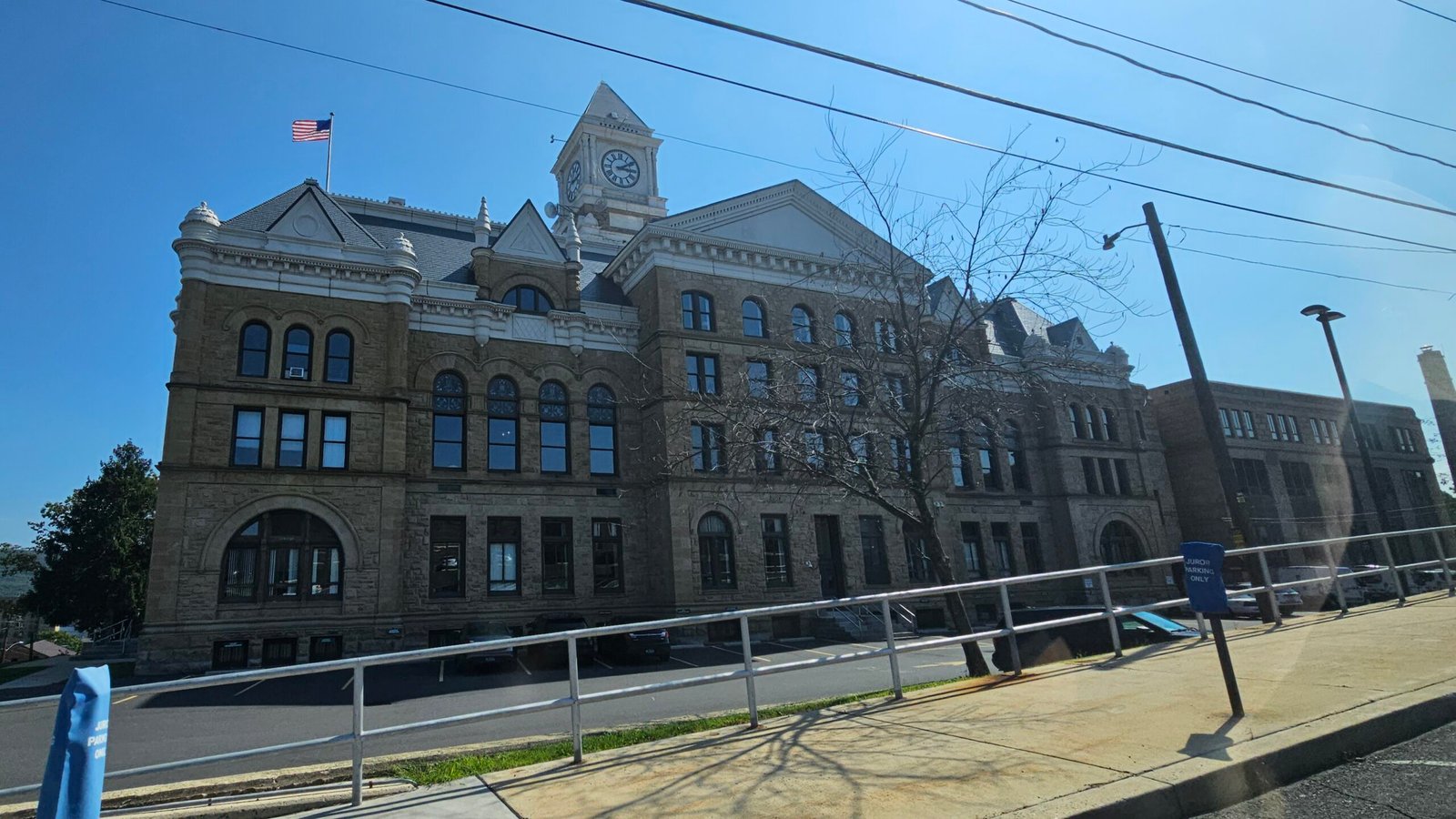
Complete Guide to Exploring Schuylkill County
Use the sections below as building blocks rather than a rigid itinerary. Current hours, permits, closures, weather, events and road conditions should always be verified with the responsible source before traveling.
County Geography And Mountain Travel
The first thing to understand about county geography and mountain travel is that Schuylkill County rarely behaves like a flat suburban map. Roads follow valleys, climb ridges, bend around older development, and connect boroughs that grew for industrial reasons rather than modern commuting patterns. That makes travel time, weather, and route choice part of the experience. A destination that looks close in straight-line mileage can feel farther away in winter, during road work, or when a route crosses a mountain. Visitors who give themselves extra time usually see more and enjoy the county more than people trying to race from stop to stop.
Season matters when planning around county geography and mountain travel. Fall brings color and heavy weekend traffic to some recreation areas. Winter can create snow, ice, reduced daylight, and rapidly changing road conditions. Spring often means saturated ground, mud, and changing trail access. Summer brings festivals, outdoor events, camping, and longer days, but also heat and thunderstorms. Checking the forecast and official operating information on the morning of a trip is a simple habit that prevents many avoidable problems.
Pottsville And The County Seat
Pottsville and the county seat also makes more sense when you connect it to the county’s anthracite past. Mining shaped settlement patterns, railroads, business districts, housing density, and generations of family stories. Even when a visitor is heading to a park, restaurant, festival, or trail, the surrounding landscape often contains traces of that industrial era. That is one reason Schuylkill County rewards curious travelers: the scenery is not separate from the history. The ridges, old rail alignments, mine lands, borough streets, churches, and commercial blocks all help explain how the region became what it is today.
A useful local itinerary around Pottsville and the county seat should leave room for food and community life. Coal Region towns are not theme parks, and some of the most memorable stops are ordinary places: a bakery, diner, pizza shop, church festival, fire company event, small market, or neighborhood business. Spending locally is also one of the easiest ways visitors can support communities that maintain the roads, traditions, volunteer organizations, and historic places that make the region interesting.
Tamaqua And Eastern Schuylkill County
For a first visit focused on Tamaqua and eastern Schuylkill County, resist the urge to judge the entire area from one stop. Schuylkill County is a collection of communities with very different physical layouts and personalities. Spend time in a borough center, then drive through a more rural township or mountain corridor. Stop at a locally owned business instead of relying only on familiar chains. If an attraction has a museum, visitor center, or interpretive material, use it. The value comes from layering the pieces together rather than treating each stop as an isolated photo opportunity.
Families approaching Tamaqua and eastern Schuylkill County should plan around the least experienced member of the group. That may mean shorter hikes, easier parking, a backup indoor stop, more water, or fewer destinations. The county has plenty of experiences that do not require strenuous activity. Historic downtowns, scenic drives, museums, lakeside areas, community events, and local food stops can be combined with more active recreation so a mixed group does not have to choose between doing everything and doing nothing.
Shenandoah And The Northern Coal Towns
Season matters when planning around Shenandoah and the northern coal towns. Fall brings color and heavy weekend traffic to some recreation areas. Winter can create snow, ice, reduced daylight, and rapidly changing road conditions. Spring often means saturated ground, mud, and changing trail access. Summer brings festivals, outdoor events, camping, and longer days, but also heat and thunderstorms. Checking the forecast and official operating information on the morning of a trip is a simple habit that prevents many avoidable problems.
Photography is another reason people seek out Shenandoah and the northern coal towns, but good local photography requires basic respect. Do not block roads, trespass for a better angle, enter abandoned structures, or stop on narrow shoulders where visibility is poor. Public parks, overlooks, downtown sidewalks, officially accessible historic sites, and event spaces provide plenty of opportunities. When photographing community events, be especially thoughtful around children, private ceremonies, emergencies, and people who clearly do not want to be the subject of a photo.
Mahanoy City And The Valley Communities
A useful local itinerary around Mahanoy City and the valley communities should leave room for food and community life. Coal Region towns are not theme parks, and some of the most memorable stops are ordinary places: a bakery, diner, pizza shop, church festival, fire company event, small market, or neighborhood business. Spending locally is also one of the easiest ways visitors can support communities that maintain the roads, traditions, volunteer organizations, and historic places that make the region interesting.
Before traveling for Mahanoy City and the valley communities, verify details with the organization responsible for the location. Hours, admission prices, trail conditions, parking rules, permit requirements, closures, and event dates can change. A social-media post from last year is not the same thing as current operating information. Official websites, municipal pages, state agencies, and the attraction itself should be treated as the final authority for time-sensitive details.
Frackville And Interstate 81 Access
Families approaching Frackville and Interstate 81 access should plan around the least experienced member of the group. That may mean shorter hikes, easier parking, a backup indoor stop, more water, or fewer destinations. The county has plenty of experiences that do not require strenuous activity. Historic downtowns, scenic drives, museums, lakeside areas, community events, and local food stops can be combined with more active recreation so a mixed group does not have to choose between doing everything and doing nothing.
Budget planning for Frackville and Interstate 81 access can be simple. Separate fixed costs such as admission or permits from flexible costs such as meals, fuel, shopping, and lodging. Many Schuylkill County experiences are free or inexpensive, especially parks, downtown walks, scenic drives, and community events, while specialized recreation may require permits or equipment. Mixing one paid attraction with several free stops can create a full day without making the trip expensive.
Minersville And Western Schuylkill County
Photography is another reason people seek out Minersville and western Schuylkill County, but good local photography requires basic respect. Do not block roads, trespass for a better angle, enter abandoned structures, or stop on narrow shoulders where visibility is poor. Public parks, overlooks, downtown sidewalks, officially accessible historic sites, and event spaces provide plenty of opportunities. When photographing community events, be especially thoughtful around children, private ceremonies, emergencies, and people who clearly do not want to be the subject of a photo.
People who already live in the county can use Minersville and western Schuylkill County as an excuse to explore a neighboring community they normally only drive through. Local tourism is often overlooked because familiar places feel ordinary until someone visits with intention. Reading a historical marker, walking a different downtown block, visiting a park in another season, or attending a festival in a neighboring borough can change how a resident sees the county. That kind of local curiosity is exactly what a community-focused site should encourage.
Schuylkill Haven And The River Corridor
Before traveling for Schuylkill Haven and the river corridor, verify details with the organization responsible for the location. Hours, admission prices, trail conditions, parking rules, permit requirements, closures, and event dates can change. A social-media post from last year is not the same thing as current operating information. Official websites, municipal pages, state agencies, and the attraction itself should be treated as the final authority for time-sensitive details.
There is also an important safety component to Schuylkill Haven and the river corridor. Cell coverage can be inconsistent in some mountain and rural areas, and weather can change quickly. Keep a charged phone, tell someone where you are going when heading into remote terrain, carry appropriate water and clothing, and avoid relying on a single navigation app if you are entering an unfamiliar back road or trail system. Recreation should feel adventurous, not reckless.
Orwigsburg And Southern Schuylkill County
Budget planning for Orwigsburg and southern Schuylkill County can be simple. Separate fixed costs such as admission or permits from flexible costs such as meals, fuel, shopping, and lodging. Many Schuylkill County experiences are free or inexpensive, especially parks, downtown walks, scenic drives, and community events, while specialized recreation may require permits or equipment. Mixing one paid attraction with several free stops can create a full day without making the trip expensive.
Finally, Orwigsburg and southern Schuylkill County is a reminder that the best Schuylkill County trips are rarely about checking boxes. The county’s strength is the combination of landscape, history, family traditions, small-town institutions, and unexpected contrasts. A visitor can move from a courthouse square to a coal-history site, from a wooded lake to an old railroad corridor, and from a mountain road to a crowded community festival in the same weekend. That variety is the real attraction.
Anthracite Coal History
People who already live in the county can use anthracite coal history as an excuse to explore a neighboring community they normally only drive through. Local tourism is often overlooked because familiar places feel ordinary until someone visits with intention. Reading a historical marker, walking a different downtown block, visiting a park in another season, or attending a festival in a neighboring borough can change how a resident sees the county. That kind of local curiosity is exactly what a community-focused site should encourage.
The first thing to understand about anthracite coal history is that Schuylkill County rarely behaves like a flat suburban map. Roads follow valleys, climb ridges, bend around older development, and connect boroughs that grew for industrial reasons rather than modern commuting patterns. That makes travel time, weather, and route choice part of the experience. A destination that looks close in straight-line mileage can feel farther away in winter, during road work, or when a route crosses a mountain. Visitors who give themselves extra time usually see more and enjoy the county more than people trying to race from stop to stop.
Pioneer Tunnel And Mining Heritage
There is also an important safety component to Pioneer Tunnel and mining heritage. Cell coverage can be inconsistent in some mountain and rural areas, and weather can change quickly. Keep a charged phone, tell someone where you are going when heading into remote terrain, carry appropriate water and clothing, and avoid relying on a single navigation app if you are entering an unfamiliar back road or trail system. Recreation should feel adventurous, not reckless.
Pioneer Tunnel and mining heritage also makes more sense when you connect it to the county’s anthracite past. Mining shaped settlement patterns, railroads, business districts, housing density, and generations of family stories. Even when a visitor is heading to a park, restaurant, festival, or trail, the surrounding landscape often contains traces of that industrial era. That is one reason Schuylkill County rewards curious travelers: the scenery is not separate from the history. The ridges, old rail alignments, mine lands, borough streets, churches, and commercial blocks all help explain how the region became what it is today.
Reading Railroad History
Finally, Reading Railroad history is a reminder that the best Schuylkill County trips are rarely about checking boxes. The county’s strength is the combination of landscape, history, family traditions, small-town institutions, and unexpected contrasts. A visitor can move from a courthouse square to a coal-history site, from a wooded lake to an old railroad corridor, and from a mountain road to a crowded community festival in the same weekend. That variety is the real attraction.
For a first visit focused on Reading Railroad history, resist the urge to judge the entire area from one stop. Schuylkill County is a collection of communities with very different physical layouts and personalities. Spend time in a borough center, then drive through a more rural township or mountain corridor. Stop at a locally owned business instead of relying only on familiar chains. If an attraction has a museum, visitor center, or interpretive material, use it. The value comes from layering the pieces together rather than treating each stop as an isolated photo opportunity.
Yuengling And Pottsville Identity
The first thing to understand about Yuengling and Pottsville identity is that Schuylkill County rarely behaves like a flat suburban map. Roads follow valleys, climb ridges, bend around older development, and connect boroughs that grew for industrial reasons rather than modern commuting patterns. That makes travel time, weather, and route choice part of the experience. A destination that looks close in straight-line mileage can feel farther away in winter, during road work, or when a route crosses a mountain. Visitors who give themselves extra time usually see more and enjoy the county more than people trying to race from stop to stop.
Season matters when planning around Yuengling and Pottsville identity. Fall brings color and heavy weekend traffic to some recreation areas. Winter can create snow, ice, reduced daylight, and rapidly changing road conditions. Spring often means saturated ground, mud, and changing trail access. Summer brings festivals, outdoor events, camping, and longer days, but also heat and thunderstorms. Checking the forecast and official operating information on the morning of a trip is a simple habit that prevents many avoidable problems.
Locust Lake State Park
Locust Lake State Park also makes more sense when you connect it to the county’s anthracite past. Mining shaped settlement patterns, railroads, business districts, housing density, and generations of family stories. Even when a visitor is heading to a park, restaurant, festival, or trail, the surrounding landscape often contains traces of that industrial era. That is one reason Schuylkill County rewards curious travelers: the scenery is not separate from the history. The ridges, old rail alignments, mine lands, borough streets, churches, and commercial blocks all help explain how the region became what it is today.
A useful local itinerary around Locust Lake State Park should leave room for food and community life. Coal Region towns are not theme parks, and some of the most memorable stops are ordinary places: a bakery, diner, pizza shop, church festival, fire company event, small market, or neighborhood business. Spending locally is also one of the easiest ways visitors can support communities that maintain the roads, traditions, volunteer organizations, and historic places that make the region interesting.
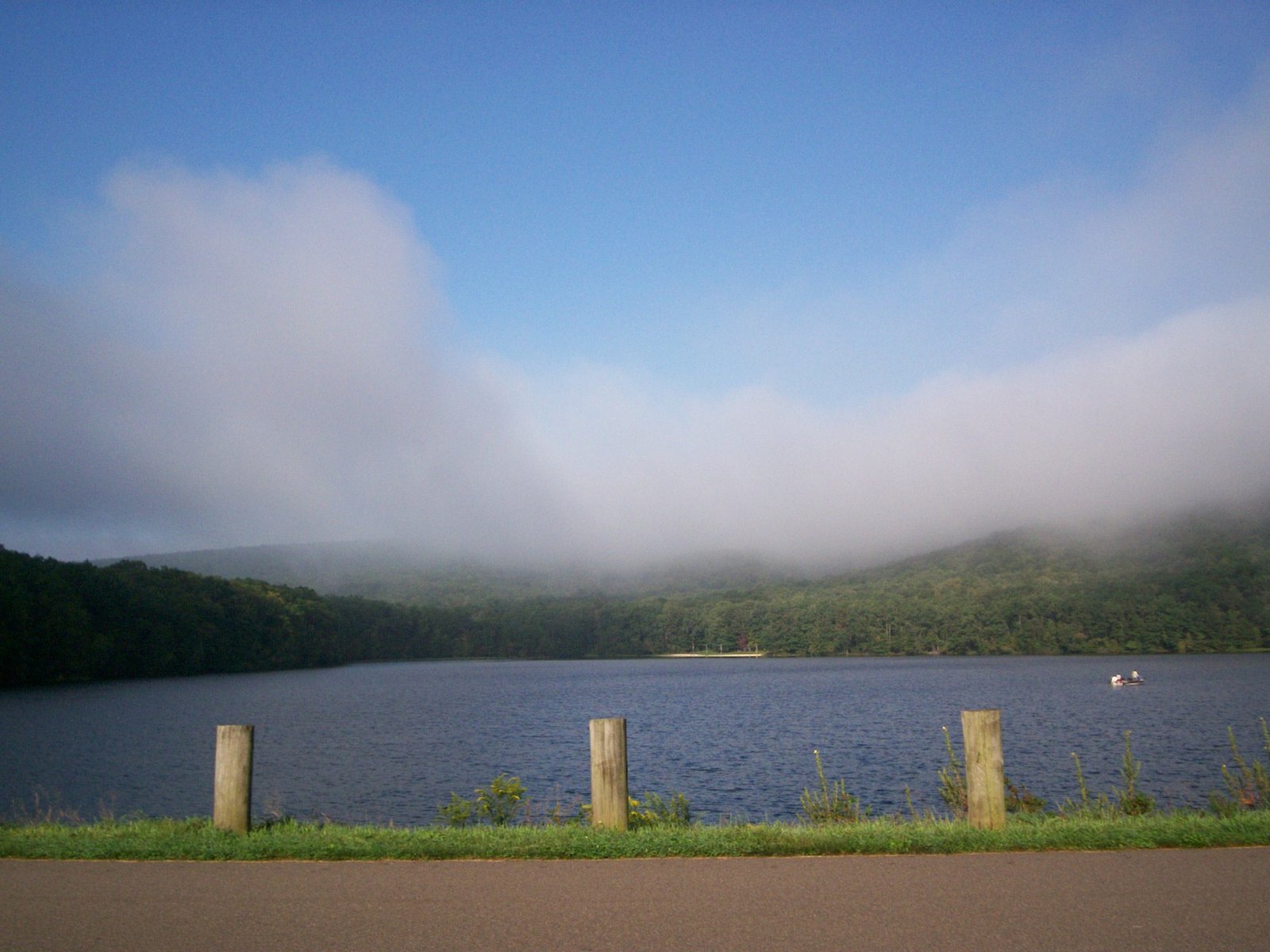
Tuscarora State Park
For a first visit focused on Tuscarora State Park, resist the urge to judge the entire area from one stop. Schuylkill County is a collection of communities with very different physical layouts and personalities. Spend time in a borough center, then drive through a more rural township or mountain corridor. Stop at a locally owned business instead of relying only on familiar chains. If an attraction has a museum, visitor center, or interpretive material, use it. The value comes from layering the pieces together rather than treating each stop as an isolated photo opportunity.
Families approaching Tuscarora State Park should plan around the least experienced member of the group. That may mean shorter hikes, easier parking, a backup indoor stop, more water, or fewer destinations. The county has plenty of experiences that do not require strenuous activity. Historic downtowns, scenic drives, museums, lakeside areas, community events, and local food stops can be combined with more active recreation so a mixed group does not have to choose between doing everything and doing nothing.
Sweet Arrow Lake
Season matters when planning around Sweet Arrow Lake. Fall brings color and heavy weekend traffic to some recreation areas. Winter can create snow, ice, reduced daylight, and rapidly changing road conditions. Spring often means saturated ground, mud, and changing trail access. Summer brings festivals, outdoor events, camping, and longer days, but also heat and thunderstorms. Checking the forecast and official operating information on the morning of a trip is a simple habit that prevents many avoidable problems.
Photography is another reason people seek out Sweet Arrow Lake, but good local photography requires basic respect. Do not block roads, trespass for a better angle, enter abandoned structures, or stop on narrow shoulders where visibility is poor. Public parks, overlooks, downtown sidewalks, officially accessible historic sites, and event spaces provide plenty of opportunities. When photographing community events, be especially thoughtful around children, private ceremonies, emergencies, and people who clearly do not want to be the subject of a photo.
Appalachian Trail And Blue Mountain
A useful local itinerary around Appalachian Trail and Blue Mountain should leave room for food and community life. Coal Region towns are not theme parks, and some of the most memorable stops are ordinary places: a bakery, diner, pizza shop, church festival, fire company event, small market, or neighborhood business. Spending locally is also one of the easiest ways visitors can support communities that maintain the roads, traditions, volunteer organizations, and historic places that make the region interesting.
Before traveling for Appalachian Trail and Blue Mountain, verify details with the organization responsible for the location. Hours, admission prices, trail conditions, parking rules, permit requirements, closures, and event dates can change. A social-media post from last year is not the same thing as current operating information. Official websites, municipal pages, state agencies, and the attraction itself should be treated as the final authority for time-sensitive details.
Famous Reading Outdoors
Families approaching Famous Reading Outdoors should plan around the least experienced member of the group. That may mean shorter hikes, easier parking, a backup indoor stop, more water, or fewer destinations. The county has plenty of experiences that do not require strenuous activity. Historic downtowns, scenic drives, museums, lakeside areas, community events, and local food stops can be combined with more active recreation so a mixed group does not have to choose between doing everything and doing nothing.
Budget planning for Famous Reading Outdoors can be simple. Separate fixed costs such as admission or permits from flexible costs such as meals, fuel, shopping, and lodging. Many Schuylkill County experiences are free or inexpensive, especially parks, downtown walks, scenic drives, and community events, while specialized recreation may require permits or equipment. Mixing one paid attraction with several free stops can create a full day without making the trip expensive.
Fishing And Boating
Photography is another reason people seek out fishing and boating, but good local photography requires basic respect. Do not block roads, trespass for a better angle, enter abandoned structures, or stop on narrow shoulders where visibility is poor. Public parks, overlooks, downtown sidewalks, officially accessible historic sites, and event spaces provide plenty of opportunities. When photographing community events, be especially thoughtful around children, private ceremonies, emergencies, and people who clearly do not want to be the subject of a photo.
People who already live in the county can use fishing and boating as an excuse to explore a neighboring community they normally only drive through. Local tourism is often overlooked because familiar places feel ordinary until someone visits with intention. Reading a historical marker, walking a different downtown block, visiting a park in another season, or attending a festival in a neighboring borough can change how a resident sees the county. That kind of local curiosity is exactly what a community-focused site should encourage.
Hunting And Game Lands
Before traveling for hunting and game lands, verify details with the organization responsible for the location. Hours, admission prices, trail conditions, parking rules, permit requirements, closures, and event dates can change. A social-media post from last year is not the same thing as current operating information. Official websites, municipal pages, state agencies, and the attraction itself should be treated as the final authority for time-sensitive details.
There is also an important safety component to hunting and game lands. Cell coverage can be inconsistent in some mountain and rural areas, and weather can change quickly. Keep a charged phone, tell someone where you are going when heading into remote terrain, carry appropriate water and clothing, and avoid relying on a single navigation app if you are entering an unfamiliar back road or trail system. Recreation should feel adventurous, not reckless.
Fall Foliage
Budget planning for fall foliage can be simple. Separate fixed costs such as admission or permits from flexible costs such as meals, fuel, shopping, and lodging. Many Schuylkill County experiences are free or inexpensive, especially parks, downtown walks, scenic drives, and community events, while specialized recreation may require permits or equipment. Mixing one paid attraction with several free stops can create a full day without making the trip expensive.
Finally, fall foliage is a reminder that the best Schuylkill County trips are rarely about checking boxes. The county’s strength is the combination of landscape, history, family traditions, small-town institutions, and unexpected contrasts. A visitor can move from a courthouse square to a coal-history site, from a wooded lake to an old railroad corridor, and from a mountain road to a crowded community festival in the same weekend. That variety is the real attraction.
Winter Driving
People who already live in the county can use winter driving as an excuse to explore a neighboring community they normally only drive through. Local tourism is often overlooked because familiar places feel ordinary until someone visits with intention. Reading a historical marker, walking a different downtown block, visiting a park in another season, or attending a festival in a neighboring borough can change how a resident sees the county. That kind of local curiosity is exactly what a community-focused site should encourage.
The first thing to understand about winter driving is that Schuylkill County rarely behaves like a flat suburban map. Roads follow valleys, climb ridges, bend around older development, and connect boroughs that grew for industrial reasons rather than modern commuting patterns. That makes travel time, weather, and route choice part of the experience. A destination that looks close in straight-line mileage can feel farther away in winter, during road work, or when a route crosses a mountain. Visitors who give themselves extra time usually see more and enjoy the county more than people trying to race from stop to stop.
Spring Mud And Changing Trail Conditions
There is also an important safety component to spring mud and changing trail conditions. Cell coverage can be inconsistent in some mountain and rural areas, and weather can change quickly. Keep a charged phone, tell someone where you are going when heading into remote terrain, carry appropriate water and clothing, and avoid relying on a single navigation app if you are entering an unfamiliar back road or trail system. Recreation should feel adventurous, not reckless.
Spring mud and changing trail conditions also makes more sense when you connect it to the county’s anthracite past. Mining shaped settlement patterns, railroads, business districts, housing density, and generations of family stories. Even when a visitor is heading to a park, restaurant, festival, or trail, the surrounding landscape often contains traces of that industrial era. That is one reason Schuylkill County rewards curious travelers: the scenery is not separate from the history. The ridges, old rail alignments, mine lands, borough streets, churches, and commercial blocks all help explain how the region became what it is today.
Summer Festivals
Finally, summer festivals is a reminder that the best Schuylkill County trips are rarely about checking boxes. The county’s strength is the combination of landscape, history, family traditions, small-town institutions, and unexpected contrasts. A visitor can move from a courthouse square to a coal-history site, from a wooded lake to an old railroad corridor, and from a mountain road to a crowded community festival in the same weekend. That variety is the real attraction.
For a first visit focused on summer festivals, resist the urge to judge the entire area from one stop. Schuylkill County is a collection of communities with very different physical layouts and personalities. Spend time in a borough center, then drive through a more rural township or mountain corridor. Stop at a locally owned business instead of relying only on familiar chains. If an attraction has a museum, visitor center, or interpretive material, use it. The value comes from layering the pieces together rather than treating each stop as an isolated photo opportunity.
Church And Fire-Company Events
The first thing to understand about church and fire-company events is that Schuylkill County rarely behaves like a flat suburban map. Roads follow valleys, climb ridges, bend around older development, and connect boroughs that grew for industrial reasons rather than modern commuting patterns. That makes travel time, weather, and route choice part of the experience. A destination that looks close in straight-line mileage can feel farther away in winter, during road work, or when a route crosses a mountain. Visitors who give themselves extra time usually see more and enjoy the county more than people trying to race from stop to stop.
Season matters when planning around church and fire-company events. Fall brings color and heavy weekend traffic to some recreation areas. Winter can create snow, ice, reduced daylight, and rapidly changing road conditions. Spring often means saturated ground, mud, and changing trail access. Summer brings festivals, outdoor events, camping, and longer days, but also heat and thunderstorms. Checking the forecast and official operating information on the morning of a trip is a simple habit that prevents many avoidable problems.
Local Food Traditions
Local food traditions also makes more sense when you connect it to the county’s anthracite past. Mining shaped settlement patterns, railroads, business districts, housing density, and generations of family stories. Even when a visitor is heading to a park, restaurant, festival, or trail, the surrounding landscape often contains traces of that industrial era. That is one reason Schuylkill County rewards curious travelers: the scenery is not separate from the history. The ridges, old rail alignments, mine lands, borough streets, churches, and commercial blocks all help explain how the region became what it is today.
A useful local itinerary around local food traditions should leave room for food and community life. Coal Region towns are not theme parks, and some of the most memorable stops are ordinary places: a bakery, diner, pizza shop, church festival, fire company event, small market, or neighborhood business. Spending locally is also one of the easiest ways visitors can support communities that maintain the roads, traditions, volunteer organizations, and historic places that make the region interesting.
Historic Downtowns
For a first visit focused on historic downtowns, resist the urge to judge the entire area from one stop. Schuylkill County is a collection of communities with very different physical layouts and personalities. Spend time in a borough center, then drive through a more rural township or mountain corridor. Stop at a locally owned business instead of relying only on familiar chains. If an attraction has a museum, visitor center, or interpretive material, use it. The value comes from layering the pieces together rather than treating each stop as an isolated photo opportunity.
Families approaching historic downtowns should plan around the least experienced member of the group. That may mean shorter hikes, easier parking, a backup indoor stop, more water, or fewer destinations. The county has plenty of experiences that do not require strenuous activity. Historic downtowns, scenic drives, museums, lakeside areas, community events, and local food stops can be combined with more active recreation so a mixed group does not have to choose between doing everything and doing nothing.
Architecture And Rowhomes
Season matters when planning around architecture and rowhomes. Fall brings color and heavy weekend traffic to some recreation areas. Winter can create snow, ice, reduced daylight, and rapidly changing road conditions. Spring often means saturated ground, mud, and changing trail access. Summer brings festivals, outdoor events, camping, and longer days, but also heat and thunderstorms. Checking the forecast and official operating information on the morning of a trip is a simple habit that prevents many avoidable problems.
Photography is another reason people seek out architecture and rowhomes, but good local photography requires basic respect. Do not block roads, trespass for a better angle, enter abandoned structures, or stop on narrow shoulders where visibility is poor. Public parks, overlooks, downtown sidewalks, officially accessible historic sites, and event spaces provide plenty of opportunities. When photographing community events, be especially thoughtful around children, private ceremonies, emergencies, and people who clearly do not want to be the subject of a photo.
Cemeteries And Local History
A useful local itinerary around cemeteries and local history should leave room for food and community life. Coal Region towns are not theme parks, and some of the most memorable stops are ordinary places: a bakery, diner, pizza shop, church festival, fire company event, small market, or neighborhood business. Spending locally is also one of the easiest ways visitors can support communities that maintain the roads, traditions, volunteer organizations, and historic places that make the region interesting.
Before traveling for cemeteries and local history, verify details with the organization responsible for the location. Hours, admission prices, trail conditions, parking rules, permit requirements, closures, and event dates can change. A social-media post from last year is not the same thing as current operating information. Official websites, municipal pages, state agencies, and the attraction itself should be treated as the final authority for time-sensitive details.
Small Businesses
Families approaching small businesses should plan around the least experienced member of the group. That may mean shorter hikes, easier parking, a backup indoor stop, more water, or fewer destinations. The county has plenty of experiences that do not require strenuous activity. Historic downtowns, scenic drives, museums, lakeside areas, community events, and local food stops can be combined with more active recreation so a mixed group does not have to choose between doing everything and doing nothing.
Budget planning for small businesses can be simple. Separate fixed costs such as admission or permits from flexible costs such as meals, fuel, shopping, and lodging. Many Schuylkill County experiences are free or inexpensive, especially parks, downtown walks, scenic drives, and community events, while specialized recreation may require permits or equipment. Mixing one paid attraction with several free stops can create a full day without making the trip expensive.
Photography And Viewpoints
Photography is another reason people seek out photography and viewpoints, but good local photography requires basic respect. Do not block roads, trespass for a better angle, enter abandoned structures, or stop on narrow shoulders where visibility is poor. Public parks, overlooks, downtown sidewalks, officially accessible historic sites, and event spaces provide plenty of opportunities. When photographing community events, be especially thoughtful around children, private ceremonies, emergencies, and people who clearly do not want to be the subject of a photo.
People who already live in the county can use photography and viewpoints as an excuse to explore a neighboring community they normally only drive through. Local tourism is often overlooked because familiar places feel ordinary until someone visits with intention. Reading a historical marker, walking a different downtown block, visiting a park in another season, or attending a festival in a neighboring borough can change how a resident sees the county. That kind of local curiosity is exactly what a community-focused site should encourage.
Family-Friendly Trip Planning
Before traveling for family-friendly trip planning, verify details with the organization responsible for the location. Hours, admission prices, trail conditions, parking rules, permit requirements, closures, and event dates can change. A social-media post from last year is not the same thing as current operating information. Official websites, municipal pages, state agencies, and the attraction itself should be treated as the final authority for time-sensitive details.
There is also an important safety component to family-friendly trip planning. Cell coverage can be inconsistent in some mountain and rural areas, and weather can change quickly. Keep a charged phone, tell someone where you are going when heading into remote terrain, carry appropriate water and clothing, and avoid relying on a single navigation app if you are entering an unfamiliar back road or trail system. Recreation should feel adventurous, not reckless.
Accessible Stops
Budget planning for accessible stops can be simple. Separate fixed costs such as admission or permits from flexible costs such as meals, fuel, shopping, and lodging. Many Schuylkill County experiences are free or inexpensive, especially parks, downtown walks, scenic drives, and community events, while specialized recreation may require permits or equipment. Mixing one paid attraction with several free stops can create a full day without making the trip expensive.
Finally, accessible stops is a reminder that the best Schuylkill County trips are rarely about checking boxes. The county’s strength is the combination of landscape, history, family traditions, small-town institutions, and unexpected contrasts. A visitor can move from a courthouse square to a coal-history site, from a wooded lake to an old railroad corridor, and from a mountain road to a crowded community festival in the same weekend. That variety is the real attraction.
One-Day Itineraries
People who already live in the county can use one-day itineraries as an excuse to explore a neighboring community they normally only drive through. Local tourism is often overlooked because familiar places feel ordinary until someone visits with intention. Reading a historical marker, walking a different downtown block, visiting a park in another season, or attending a festival in a neighboring borough can change how a resident sees the county. That kind of local curiosity is exactly what a community-focused site should encourage.
The first thing to understand about one-day itineraries is that Schuylkill County rarely behaves like a flat suburban map. Roads follow valleys, climb ridges, bend around older development, and connect boroughs that grew for industrial reasons rather than modern commuting patterns. That makes travel time, weather, and route choice part of the experience. A destination that looks close in straight-line mileage can feel farther away in winter, during road work, or when a route crosses a mountain. Visitors who give themselves extra time usually see more and enjoy the county more than people trying to race from stop to stop.
Weekend Itineraries
There is also an important safety component to weekend itineraries. Cell coverage can be inconsistent in some mountain and rural areas, and weather can change quickly. Keep a charged phone, tell someone where you are going when heading into remote terrain, carry appropriate water and clothing, and avoid relying on a single navigation app if you are entering an unfamiliar back road or trail system. Recreation should feel adventurous, not reckless.
Weekend itineraries also makes more sense when you connect it to the county’s anthracite past. Mining shaped settlement patterns, railroads, business districts, housing density, and generations of family stories. Even when a visitor is heading to a park, restaurant, festival, or trail, the surrounding landscape often contains traces of that industrial era. That is one reason Schuylkill County rewards curious travelers: the scenery is not separate from the history. The ridges, old rail alignments, mine lands, borough streets, churches, and commercial blocks all help explain how the region became what it is today.
Budget-Friendly Exploring
Finally, budget-friendly exploring is a reminder that the best Schuylkill County trips are rarely about checking boxes. The county’s strength is the combination of landscape, history, family traditions, small-town institutions, and unexpected contrasts. A visitor can move from a courthouse square to a coal-history site, from a wooded lake to an old railroad corridor, and from a mountain road to a crowded community festival in the same weekend. That variety is the real attraction.
For a first visit focused on budget-friendly exploring, resist the urge to judge the entire area from one stop. Schuylkill County is a collection of communities with very different physical layouts and personalities. Spend time in a borough center, then drive through a more rural township or mountain corridor. Stop at a locally owned business instead of relying only on familiar chains. If an attraction has a museum, visitor center, or interpretive material, use it. The value comes from layering the pieces together rather than treating each stop as an isolated photo opportunity.
Rainy-Day Alternatives
The first thing to understand about rainy-day alternatives is that Schuylkill County rarely behaves like a flat suburban map. Roads follow valleys, climb ridges, bend around older development, and connect boroughs that grew for industrial reasons rather than modern commuting patterns. That makes travel time, weather, and route choice part of the experience. A destination that looks close in straight-line mileage can feel farther away in winter, during road work, or when a route crosses a mountain. Visitors who give themselves extra time usually see more and enjoy the county more than people trying to race from stop to stop.
Season matters when planning around rainy-day alternatives. Fall brings color and heavy weekend traffic to some recreation areas. Winter can create snow, ice, reduced daylight, and rapidly changing road conditions. Spring often means saturated ground, mud, and changing trail access. Summer brings festivals, outdoor events, camping, and longer days, but also heat and thunderstorms. Checking the forecast and official operating information on the morning of a trip is a simple habit that prevents many avoidable problems.
Responsible Off-Road Recreation
Responsible off-road recreation also makes more sense when you connect it to the county’s anthracite past. Mining shaped settlement patterns, railroads, business districts, housing density, and generations of family stories. Even when a visitor is heading to a park, restaurant, festival, or trail, the surrounding landscape often contains traces of that industrial era. That is one reason Schuylkill County rewards curious travelers: the scenery is not separate from the history. The ridges, old rail alignments, mine lands, borough streets, churches, and commercial blocks all help explain how the region became what it is today.
A useful local itinerary around responsible off-road recreation should leave room for food and community life. Coal Region towns are not theme parks, and some of the most memorable stops are ordinary places: a bakery, diner, pizza shop, church festival, fire company event, small market, or neighborhood business. Spending locally is also one of the easiest ways visitors can support communities that maintain the roads, traditions, volunteer organizations, and historic places that make the region interesting.
Private Property And Access
For a first visit focused on private property and access, resist the urge to judge the entire area from one stop. Schuylkill County is a collection of communities with very different physical layouts and personalities. Spend time in a borough center, then drive through a more rural township or mountain corridor. Stop at a locally owned business instead of relying only on familiar chains. If an attraction has a museum, visitor center, or interpretive material, use it. The value comes from layering the pieces together rather than treating each stop as an isolated photo opportunity.
Families approaching private property and access should plan around the least experienced member of the group. That may mean shorter hikes, easier parking, a backup indoor stop, more water, or fewer destinations. The county has plenty of experiences that do not require strenuous activity. Historic downtowns, scenic drives, museums, lakeside areas, community events, and local food stops can be combined with more active recreation so a mixed group does not have to choose between doing everything and doing nothing.
How To Use Official Maps
Season matters when planning around how to use official maps. Fall brings color and heavy weekend traffic to some recreation areas. Winter can create snow, ice, reduced daylight, and rapidly changing road conditions. Spring often means saturated ground, mud, and changing trail access. Summer brings festivals, outdoor events, camping, and longer days, but also heat and thunderstorms. Checking the forecast and official operating information on the morning of a trip is a simple habit that prevents many avoidable problems.
Photography is another reason people seek out how to use official maps, but good local photography requires basic respect. Do not block roads, trespass for a better angle, enter abandoned structures, or stop on narrow shoulders where visibility is poor. Public parks, overlooks, downtown sidewalks, officially accessible historic sites, and event spaces provide plenty of opportunities. When photographing community events, be especially thoughtful around children, private ceremonies, emergencies, and people who clearly do not want to be the subject of a photo.
How To Verify Current Hours
A useful local itinerary around how to verify current hours should leave room for food and community life. Coal Region towns are not theme parks, and some of the most memorable stops are ordinary places: a bakery, diner, pizza shop, church festival, fire company event, small market, or neighborhood business. Spending locally is also one of the easiest ways visitors can support communities that maintain the roads, traditions, volunteer organizations, and historic places that make the region interesting.
Before traveling for how to verify current hours, verify details with the organization responsible for the location. Hours, admission prices, trail conditions, parking rules, permit requirements, closures, and event dates can change. A social-media post from last year is not the same thing as current operating information. Official websites, municipal pages, state agencies, and the attraction itself should be treated as the final authority for time-sensitive details.
Supporting Local Businesses
Families approaching supporting local businesses should plan around the least experienced member of the group. That may mean shorter hikes, easier parking, a backup indoor stop, more water, or fewer destinations. The county has plenty of experiences that do not require strenuous activity. Historic downtowns, scenic drives, museums, lakeside areas, community events, and local food stops can be combined with more active recreation so a mixed group does not have to choose between doing everything and doing nothing.
Budget planning for supporting local businesses can be simple. Separate fixed costs such as admission or permits from flexible costs such as meals, fuel, shopping, and lodging. Many Schuylkill County experiences are free or inexpensive, especially parks, downtown walks, scenic drives, and community events, while specialized recreation may require permits or equipment. Mixing one paid attraction with several free stops can create a full day without making the trip expensive.
Berks County Side Trips
Photography is another reason people seek out Berks County side trips, but good local photography requires basic respect. Do not block roads, trespass for a better angle, enter abandoned structures, or stop on narrow shoulders where visibility is poor. Public parks, overlooks, downtown sidewalks, officially accessible historic sites, and event spaces provide plenty of opportunities. When photographing community events, be especially thoughtful around children, private ceremonies, emergencies, and people who clearly do not want to be the subject of a photo.
People who already live in the county can use Berks County side trips as an excuse to explore a neighboring community they normally only drive through. Local tourism is often overlooked because familiar places feel ordinary until someone visits with intention. Reading a historical marker, walking a different downtown block, visiting a park in another season, or attending a festival in a neighboring borough can change how a resident sees the county. That kind of local curiosity is exactly what a community-focused site should encourage.
Carbon County Connections
Before traveling for Carbon County connections, verify details with the organization responsible for the location. Hours, admission prices, trail conditions, parking rules, permit requirements, closures, and event dates can change. A social-media post from last year is not the same thing as current operating information. Official websites, municipal pages, state agencies, and the attraction itself should be treated as the final authority for time-sensitive details.
There is also an important safety component to Carbon County connections. Cell coverage can be inconsistent in some mountain and rural areas, and weather can change quickly. Keep a charged phone, tell someone where you are going when heading into remote terrain, carry appropriate water and clothing, and avoid relying on a single navigation app if you are entering an unfamiliar back road or trail system. Recreation should feel adventurous, not reckless.
Hazleton And Luzerne County Connections
Budget planning for Hazleton and Luzerne County connections can be simple. Separate fixed costs such as admission or permits from flexible costs such as meals, fuel, shopping, and lodging. Many Schuylkill County experiences are free or inexpensive, especially parks, downtown walks, scenic drives, and community events, while specialized recreation may require permits or equipment. Mixing one paid attraction with several free stops can create a full day without making the trip expensive.
Finally, Hazleton and Luzerne County connections is a reminder that the best Schuylkill County trips are rarely about checking boxes. The county’s strength is the combination of landscape, history, family traditions, small-town institutions, and unexpected contrasts. A visitor can move from a courthouse square to a coal-history site, from a wooded lake to an old railroad corridor, and from a mountain road to a crowded community festival in the same weekend. That variety is the real attraction.
Local Museums And Archives
People who already live in the county can use local museums and archives as an excuse to explore a neighboring community they normally only drive through. Local tourism is often overlooked because familiar places feel ordinary until someone visits with intention. Reading a historical marker, walking a different downtown block, visiting a park in another season, or attending a festival in a neighboring borough can change how a resident sees the county. That kind of local curiosity is exactly what a community-focused site should encourage.
The first thing to understand about local museums and archives is that Schuylkill County rarely behaves like a flat suburban map. Roads follow valleys, climb ridges, bend around older development, and connect boroughs that grew for industrial reasons rather than modern commuting patterns. That makes travel time, weather, and route choice part of the experience. A destination that looks close in straight-line mileage can feel farther away in winter, during road work, or when a route crosses a mountain. Visitors who give themselves extra time usually see more and enjoy the county more than people trying to race from stop to stop.
Community Calendars
There is also an important safety component to community calendars. Cell coverage can be inconsistent in some mountain and rural areas, and weather can change quickly. Keep a charged phone, tell someone where you are going when heading into remote terrain, carry appropriate water and clothing, and avoid relying on a single navigation app if you are entering an unfamiliar back road or trail system. Recreation should feel adventurous, not reckless.
Community calendars also makes more sense when you connect it to the county’s anthracite past. Mining shaped settlement patterns, railroads, business districts, housing density, and generations of family stories. Even when a visitor is heading to a park, restaurant, festival, or trail, the surrounding landscape often contains traces of that industrial era. That is one reason Schuylkill County rewards curious travelers: the scenery is not separate from the history. The ridges, old rail alignments, mine lands, borough streets, churches, and commercial blocks all help explain how the region became what it is today.
Seasonal Safety
Finally, seasonal safety is a reminder that the best Schuylkill County trips are rarely about checking boxes. The county’s strength is the combination of landscape, history, family traditions, small-town institutions, and unexpected contrasts. A visitor can move from a courthouse square to a coal-history site, from a wooded lake to an old railroad corridor, and from a mountain road to a crowded community festival in the same weekend. That variety is the real attraction.
For a first visit focused on seasonal safety, resist the urge to judge the entire area from one stop. Schuylkill County is a collection of communities with very different physical layouts and personalities. Spend time in a borough center, then drive through a more rural township or mountain corridor. Stop at a locally owned business instead of relying only on familiar chains. If an attraction has a museum, visitor center, or interpretive material, use it. The value comes from layering the pieces together rather than treating each stop as an isolated photo opportunity.
Building A Local Bucket List
The first thing to understand about building a local bucket list is that Schuylkill County rarely behaves like a flat suburban map. Roads follow valleys, climb ridges, bend around older development, and connect boroughs that grew for industrial reasons rather than modern commuting patterns. That makes travel time, weather, and route choice part of the experience. A destination that looks close in straight-line mileage can feel farther away in winter, during road work, or when a route crosses a mountain. Visitors who give themselves extra time usually see more and enjoy the county more than people trying to race from stop to stop.
Season matters when planning around building a local bucket list. Fall brings color and heavy weekend traffic to some recreation areas. Winter can create snow, ice, reduced daylight, and rapidly changing road conditions. Spring often means saturated ground, mud, and changing trail access. Summer brings festivals, outdoor events, camping, and longer days, but also heat and thunderstorms. Checking the forecast and official operating information on the morning of a trip is a simple habit that prevents many avoidable problems.
Return Visits
Return visits also makes more sense when you connect it to the county’s anthracite past. Mining shaped settlement patterns, railroads, business districts, housing density, and generations of family stories. Even when a visitor is heading to a park, restaurant, festival, or trail, the surrounding landscape often contains traces of that industrial era. That is one reason Schuylkill County rewards curious travelers: the scenery is not separate from the history. The ridges, old rail alignments, mine lands, borough streets, churches, and commercial blocks all help explain how the region became what it is today.
A useful local itinerary around return visits should leave room for food and community life. Coal Region towns are not theme parks, and some of the most memorable stops are ordinary places: a bakery, diner, pizza shop, church festival, fire company event, small market, or neighborhood business. Spending locally is also one of the easiest ways visitors can support communities that maintain the roads, traditions, volunteer organizations, and historic places that make the region interesting.
Frequently Asked Questions About Exploring Schuylkill County
Where should a first-time visitor start?
Families approaching where should a first-time visitor start? should plan around the least experienced member of the group. That may mean shorter hikes, easier parking, a backup indoor stop, more water, or fewer destinations. The county has plenty of experiences that do not require strenuous activity. Historic downtowns, scenic drives, museums, lakeside areas, community events, and local food stops can be combined with more active recreation so a mixed group does not have to choose between doing everything and doing nothing.
How many days do I need?
Photography is another reason people seek out how many days do i need?, but good local photography requires basic respect. Do not block roads, trespass for a better angle, enter abandoned structures, or stop on narrow shoulders where visibility is poor. Public parks, overlooks, downtown sidewalks, officially accessible historic sites, and event spaces provide plenty of opportunities. When photographing community events, be especially thoughtful around children, private ceremonies, emergencies, and people who clearly do not want to be the subject of a photo.
What is the best season?
Before traveling for what is the best season?, verify details with the organization responsible for the location. Hours, admission prices, trail conditions, parking rules, permit requirements, closures, and event dates can change. A social-media post from last year is not the same thing as current operating information. Official websites, municipal pages, state agencies, and the attraction itself should be treated as the final authority for time-sensitive details.
Is Schuylkill County good for families?
Budget planning for is schuylkill county good for families? can be simple. Separate fixed costs such as admission or permits from flexible costs such as meals, fuel, shopping, and lodging. Many Schuylkill County experiences are free or inexpensive, especially parks, downtown walks, scenic drives, and community events, while specialized recreation may require permits or equipment. Mixing one paid attraction with several free stops can create a full day without making the trip expensive.
What should I know about driving?
People who already live in the county can use what should i know about driving? as an excuse to explore a neighboring community they normally only drive through. Local tourism is often overlooked because familiar places feel ordinary until someone visits with intention. Reading a historical marker, walking a different downtown block, visiting a park in another season, or attending a festival in a neighboring borough can change how a resident sees the county. That kind of local curiosity is exactly what a community-focused site should encourage.
Where can I learn about coal history?
There is also an important safety component to where can i learn about coal history?. Cell coverage can be inconsistent in some mountain and rural areas, and weather can change quickly. Keep a charged phone, tell someone where you are going when heading into remote terrain, carry appropriate water and clothing, and avoid relying on a single navigation app if you are entering an unfamiliar back road or trail system. Recreation should feel adventurous, not reckless.
Where can I find outdoor recreation?
Finally, where can i find outdoor recreation? is a reminder that the best Schuylkill County trips are rarely about checking boxes. The county’s strength is the combination of landscape, history, family traditions, small-town institutions, and unexpected contrasts. A visitor can move from a courthouse square to a coal-history site, from a wooded lake to an old railroad corridor, and from a mountain road to a crowded community festival in the same weekend. That variety is the real attraction.
How do I find current festivals and events?
The first thing to understand about how do i find current festivals and events? is that Schuylkill County rarely behaves like a flat suburban map. Roads follow valleys, climb ridges, bend around older development, and connect boroughs that grew for industrial reasons rather than modern commuting patterns. That makes travel time, weather, and route choice part of the experience. A destination that looks close in straight-line mileage can feel farther away in winter, during road work, or when a route crosses a mountain. Visitors who give themselves extra time usually see more and enjoy the county more than people trying to race from stop to stop.
What should I verify before visiting an attraction?
What should i verify before visiting an attraction? also makes more sense when you connect it to the county’s anthracite past. Mining shaped settlement patterns, railroads, business districts, housing density, and generations of family stories. Even when a visitor is heading to a park, restaurant, festival, or trail, the surrounding landscape often contains traces of that industrial era. That is one reason Schuylkill County rewards curious travelers: the scenery is not separate from the history. The ridges, old rail alignments, mine lands, borough streets, churches, and commercial blocks all help explain how the region became what it is today.
How can I support local businesses while visiting?
For a first visit focused on how can i support local businesses while visiting?, resist the urge to judge the entire area from one stop. Schuylkill County is a collection of communities with very different physical layouts and personalities. Spend time in a borough center, then drive through a more rural township or mountain corridor. Stop at a locally owned business instead of relying only on familiar chains. If an attraction has a museum, visitor center, or interpretive material, use it. The value comes from layering the pieces together rather than treating each stop as an isolated photo opportunity.
Are there good side trips into Berks County?
Season matters when planning around are there good side trips into berks county?. Fall brings color and heavy weekend traffic to some recreation areas. Winter can create snow, ice, reduced daylight, and rapidly changing road conditions. Spring often means saturated ground, mud, and changing trail access. Summer brings festivals, outdoor events, camping, and longer days, but also heat and thunderstorms. Checking the forecast and official operating information on the morning of a trip is a simple habit that prevents many avoidable problems.
What is the easiest way to plan a return trip?
A useful local itinerary around what is the easiest way to plan a return trip? should leave room for food and community life. Coal Region towns are not theme parks, and some of the most memorable stops are ordinary places: a bakery, diner, pizza shop, church festival, fire company event, small market, or neighborhood business. Spending locally is also one of the easiest ways visitors can support communities that maintain the roads, traditions, volunteer organizations, and historic places that make the region interesting.
Continue Exploring the Skook
- Town hubs and community guides
- Outdoor recreation stories
- Coal Region history
- Local resources and attractions
- Community events
- Live regional headlines and weather
Skook PA NewZ updates local guides as information changes. Always confirm time-sensitive information such as hours, fees, permits, closures and event schedules with the official source.



0 Comments