
Storms, damaged equipment, and other unexpected events can interrupt electric service anywhere in Schuylkill County. A short outage is an inconvenience; a longer one can create difficult questions about food, heat, communication, water, and medical equipment. Residents are better served by preparing in ordinary weather than by trying to improvise when the lights are already out.
This guide is a practical household checklist, not an announcement of an active outage. Verify current conditions with your specific electric company and local emergency officials.
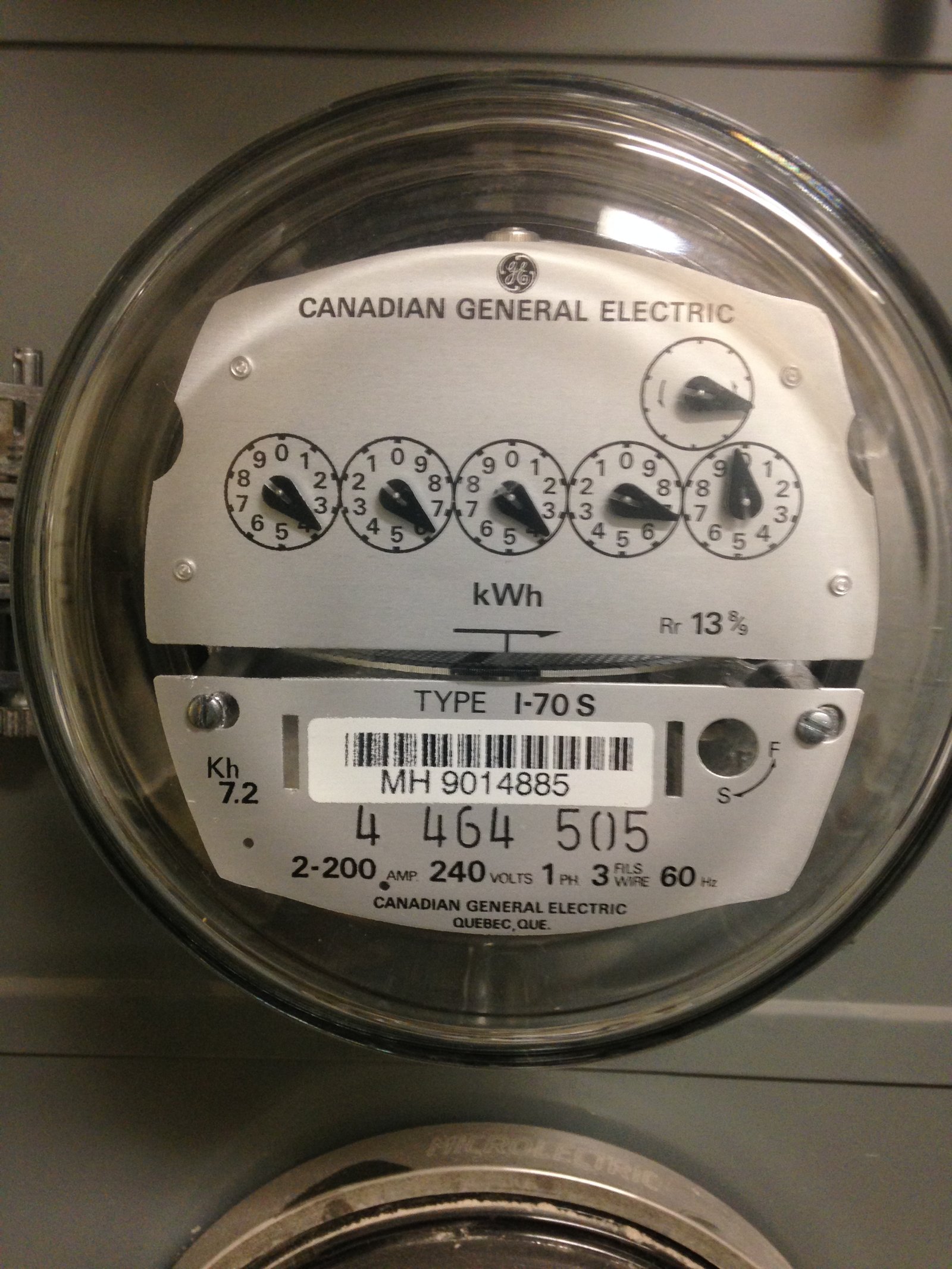
Find your electricity provider’s official reporting channel
Power outages can affect one block, a neighborhood, or a large region. The proper reporting method depends on the utility serving the particular address. Save that company’s official outage map, emergency number, and restoration update page before bad weather occurs. Confirm the service territory rather than assuming every Schuylkill County resident has the same provider.
When lights go out, first determine whether the issue is limited to your home or affects neighbors. If there is a damaged line, sparking equipment, or another immediate danger, keep clear and contact the utility or emergency responders as appropriate. Never handle a fallen power line, even if it looks inactive.
Build a lighting plan without candles
Flashlights, headlamps, and battery lanterns provide light without the fire risks posed by candles. Store them in predictable locations and check batteries periodically. Keep a headlamp where household members can reach it during the night, along with a separate backup. A working light is especially valuable in basements, on stairways, or when checking a breaker panel from a safe distance.
The Pennsylvania emergency preparedness guidance recommends flashlights and extra batteries. Families can make the plan stronger by ensuring children and older residents know where lighting is kept. Rechargeable lights should be checked before the storm, not discovered empty during the outage.
Charge devices and plan communication
A charged phone is an important connection to family, work, utilities, and official updates. Before severe weather, recharge portable battery packs and necessary medical or communication equipment. Consider a printed list of essential telephone numbers in case access to cloud contact lists becomes difficult. Ask household members which channel they will use to check on each other.
Cell networks can also experience disruption or congestion, so do not assume every online service will remain accessible. Send short, useful updates rather than repeatedly using a nearly depleted phone. Identify a reasonable meeting point or alternative contact person when communication is uncertain.
Protect refrigerated and frozen food
A common outage question is whether food remains safe. Ready PA explains that an unopened refrigerator generally keeps food cold for about four hours, while a full freezer may maintain its temperature for about 48 hours under favorable circumstances. These are planning guidelines, not a substitute for evaluating actual temperatures and food safety.
Keep doors closed as much as practical. Use a food thermometer and follow federal food-safety recommendations about discarding perishables after unsafe temperatures or excessive time. Do not rely on the appearance or smell of food to prove it is safe. When in doubt, use official food-safety guidance.

Prepare an emergency water supply
Some houses rely on electrically powered well pumps or other equipment that may stop during an outage. Store a practical emergency supply of drinking water and confirm whether the home’s water system depends on electricity. Families with infants, pets, or residents needing medical equipment should account for their circumstances separately.
Keep containers clean and rotate supplies according to manufacturer recommendations. If a local water authority announces a boil-water notice or service issue, follow that utility’s instructions. A power failure and a drinking-water advisory are different events, so look for verified notices about the actual problem.
Understand safe generator placement
Portable generators create serious carbon monoxide and electrical hazards when misused. Ready PA advises using generators outdoors, at least 20 feet from windows, doors, and attached garages, and never inside a house or garage. Follow the device manufacturer’s instructions. Have any connection to a home’s electrical system designed or approved by a qualified professional.
Never backfeed a building through a household receptacle; that can endanger occupants, workers, and neighboring systems. Refuel only after the generator cools and keep it away from standing water or wet equipment. A generator is useful only when operated in a way that does not create a second emergency.
Make sure carbon monoxide alarms work
Carbon monoxide cannot be detected reliably by smell. Fuel-powered appliances, outdoor equipment placed too close to buildings, and improper heating arrangements can expose people without obvious warning. Test CO alarms according to manufacturer directions and know their replacement schedule. If an alarm sounds or poisoning is suspected, move to fresh air and seek emergency help.
Never heat the house with a gas stove, grill, or other unsuitable combustion device. The U.S. Environmental Protection Agency emphasizes avoiding fuel-burning heaters in poorly ventilated spaces. Families should establish a safe destination if their normal heating system is unavailable during severe cold.
Prepare for residents who need powered medical devices
Someone who depends on a powered medical device may need a more detailed outage plan than a flashlight and phone charger. Speak with healthcare providers and equipment suppliers about manufacturer-approved backup power, monitoring, and an appropriate emergency response plan. Keep critical numbers available and identify nearby alternatives when practical.
It is difficult to improvise medical backup power in the middle of a storm. Test authorized arrangements during routine conditions and update emergency contacts. Family members should know where instructions are kept and when a medical emergency requires immediate assistance.
Know how to operate the garage door manually
An electric garage door may not open in the usual way without power. Ready PA recommends learning the manual release procedure beforehand. Follow the garage-door manufacturer’s safety instructions and do not pull release mechanisms on an unstable or visibly damaged door. A door with a broken spring can be dangerous even when the electricity is functioning.
If the vehicle is needed for an appointment or evacuation, knowing the approved procedure can save valuable time. Practice only when the system is in normal operating condition. For a malfunctioning door or uncertain mechanism, obtain professional service instead of trying to force it open.

Watch local emergency notices
Municipalities, county emergency officials, schools, and utility providers may publish separate updates during a prolonged outage. Check verified sources for information about warming centers, traffic signals, shelter arrangements, and major road restrictions. A community social-media post may be helpful, but information about public safety should be verified before sharing.
Never assume a public building is serving as a shelter merely because it opened for a previous storm. Current hours, eligibility, accessibility, and services may differ. Follow officials’ directions at dark intersections and around emergency crews.
Reset safely when power returns
Restored electricity can bring its own surprises, including appliances restarting or equipment affected by water. Check for visible damage and avoid touching wet electrical devices. If outlets, cords, or panels appear damaged or produce unusual smells, contact a qualified electrician. Reset clocks and devices carefully and assess perishable food before returning it to ordinary use.
A short record of the outage duration, any damage, and contacts with the utility can help with follow-up. Owners should photograph property damage from a safe place and ask insurers about coverage questions when necessary. The most important result is the household’s safe return to normal operations.
Official resources
Keep the Ready PA power-outage guide and the Pennsylvania emergency-preparedness booklet available. The EPA’s winter indoor-air safety guidance explains carbon monoxide and generator hazards. Review these resources with your household before the next forecast that raises concern.
Affiliate disclosure: These are paid links. As an Amazon Associate I earn from qualifying purchases.
Emergency kit supplies to consider
A weather radio and a rechargeable lantern can be useful during outages. Compare power sources and runtime and keep backup batteries or charging options. Follow official alerts from your utility and local authorities.
- Midland emergency weather radio (Amazon affiliate link)
- Browse Energizer rechargeable emergency lanterns (Amazon affiliate link)
The lantern link opens Amazon search results; check current product details before ordering.
Stay connected in Schuylkill County
Keep up with future Schuylkill County news and preparation guides. Explore local resources for more community information.




0 Comments