
SkookPA News | Community explainer | October 17, 2026. This is an educational guide, not a report that any particular municipality has issued a new order today.
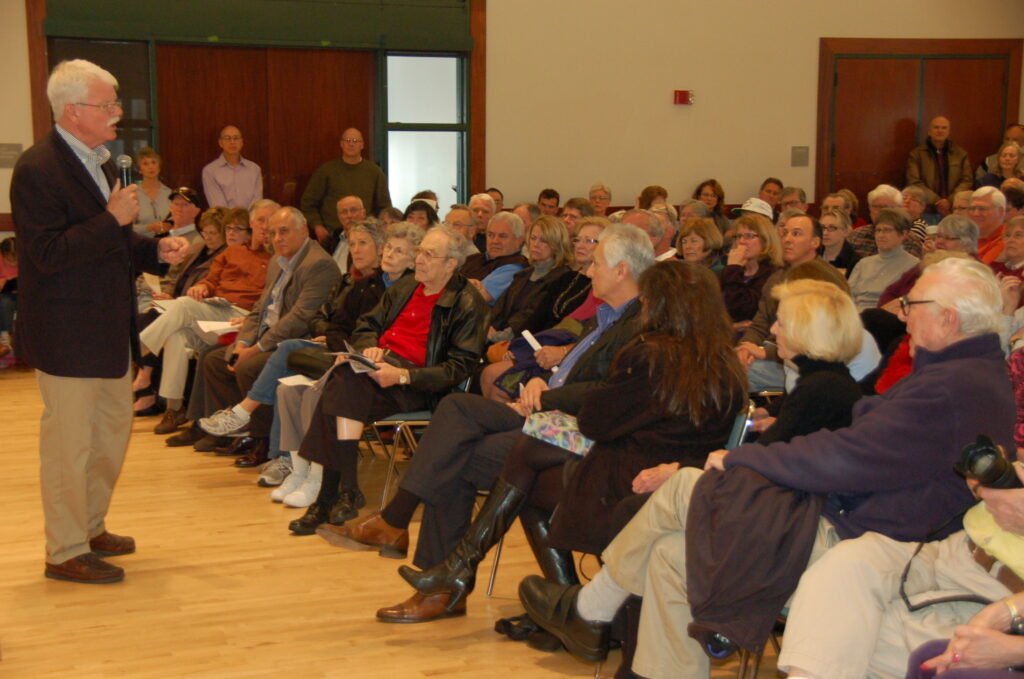
The small meeting that can affect a neighborhood
A local government meeting can influence road maintenance, school budgets, parking rules, development applications, water and sewer service, local taxes, police staffing and many decisions that become visible only months later. People often first hear about an issue on social media, when an informal description makes a proposal sound like a completed decision. The better approach is to find the original agenda or proposed text, learn which public body is responsible and follow the discussion until an official vote or another documented action occurs. In Schuylkill County, that may mean your borough council, township supervisors, school board, planning commission or municipal authority. Those bodies do not all handle the same powers or procedures, so identify the correct meeting before concluding that a neighbor attended the wrong one.
What Pennsylvania’s Sunshine Act is meant to accomplish
Pennsylvania’s Sunshine Act generally requires public agencies to deliberate and take official action on agency business in an open, publicly noticed meeting. The Office of Open Records explains that the law is concerned with meetings of covered agencies, and the details of what constitutes a meeting or official action matter. A conversation between two residents is not itself an official public meeting, and some confidential subjects may be discussed in authorized executive session. But an agency cannot simply redefine ordinary public business to make accountability disappear. For residents, the central idea is visibility: government proposals and votes should be traceable through official notice and a record of what happened. Use the official Pennsylvania Office of Open Records explanation to understand these rights and their limits instead of relying on a social-media summary.
Finding the notice and agenda
Start with the municipality or school district website and the office of the clerk, secretary or business manager. Look for a board or council calendar, notices, agendas, meeting packets and minutes. Some agencies post a plain PDF, others use an agenda portal, and some may also publish notices through a newspaper. Check dates carefully: a regular meeting can be canceled, rescheduled or moved to a different location. If the topic involves a land-development application or advertised hearing, the notice may appear under planning or zoning rather than the normal council calendar. Read the document’s date and version, especially when a preliminary agenda changes before the meeting. A screenshot of an old agenda may be misleading even if the screenshot itself is genuine.
Reading agenda language without getting lost
Agenda items often use compact descriptions: first reading, introduction, motion to advertise, public hearing, approval of minutes, resolution, ordinance, contract award or executive session. These are not interchangeable. Introducing an ordinance may not mean it has taken effect; authorizing public advertisement may lead to a later hearing; accepting a bid is not identical to completing a construction project. The safest interpretation is to read the attached documents and observe what action the board actually takes. When you cannot find the full text, ask for the number of the proposed ordinance or the document title. Record that number rather than trying to remember an informal nickname. That small habit makes follow-up research far easier.
Preparing a useful public comment
Before attending, write down the specific decision you care about, why it matters and the question you want answered. A concise statement is usually more helpful than a long accusation about motives. If you are concerned about a proposed road closure, identify the street and explain the practical effect on access. If you are interested in a school board purchase, ask what cost, funding source and alternatives are under consideration. Public-comment procedures can differ among bodies and may include reasonable rules about timing and order; ask the agency for its posted policy. Attend early enough to learn whether registration is required. Avoid bringing private information about neighbors, students or employees into a public forum unnecessarily.

What if you cannot attend?
Check whether the agency provides a live stream, recording, agenda packet, minutes or an email address for written comments. Not every governmental body offers remote participation; do not presume that a video link exists. You can contact the office to ask how to submit your position and whether written comments will enter the record. Read the minutes after the meeting, but remember that minutes are generally a summary of official actions rather than a word-for-word transcript. If your question concerns exact wording, request the approved resolution or ordinance and any public attachments. The original documents are especially important when competing online posts characterize the same event in very different ways.
Understanding an executive session
An executive session is not another name for every part of a meeting the public finds inconvenient. The Sunshine Act recognizes limited exceptions for specific subjects, and a meeting may involve public and nonpublic portions. A body may be permitted to discuss certain matters privately while still needing to take official action publicly. Rather than assuming any closed discussion proves wrongdoing, ask which stated exception applies and when any related final decision will appear on a public agenda. The Pennsylvania Office of Open Records provides training materials and FAQs about the law, including official-action definitions and permitted circumstances. Complex disputes may require advice from qualified counsel.
Following a budget or project from idea to action
Many projects appear on multiple agendas before they are built or implemented. An official may first ask staff for a feasibility assessment, then request bids, then approve financing, and finally award a contract. A citizen can track the process by saving agenda dates, contract numbers and vote results. For a budget, identify the proposed spending amount and whether the figure is part of a preliminary proposal or an adopted budget. For school projects, ask whether the board has authorized design work, borrowing or construction. For zoning and land-use issues, distinguish a planning recommendation from the final approval authority. One meeting can be informative without settling the entire matter.
Checking a claim before reposting it
An eye-catching post might say a borough is ‘banning’ an activity or a school ‘approved’ a major expense. Open the original agenda and ask what motion actually passed. Look for the date, the governing body, any roll-call vote, document number and effective date. Check whether the item was tabled, amended or referred elsewhere. If the decision has not been verified, use careful language: ‘officials are considering,’ ‘the agenda lists’ or ‘the council voted to advertise.’ Do not post speculation about individual people’s intent as a verified fact. Sharing a credible official link alongside your own summary makes local conversations more productive.
Where to verify your rights and the record
The Pennsylvania Office of Open Records Sunshine Act FAQ explains which agencies may be covered, the meaning of official action and the basics of participation. Search the official site of the relevant borough, township, school district or authority for the particular agenda or adopted document. Questions about access to government records can involve Pennsylvania’s Right-to-Know Law, which is related to transparency but is a separate process from public attendance at meetings. This guide offers a method for following local decisions; it does not claim a particular Schuylkill County council has taken a new action today.
A practical example: following a proposed borough ordinance
Suppose residents hear that their borough is considering a new parking restriction. Before sharing a headline that says parking is now prohibited, find the borough’s official agenda and look for the item number or proposed ordinance text. It might be a first discussion, permission to advertise an ordinance, a scheduled hearing or a final vote. Those steps have different meanings. Save the agenda date, locate the notice of the next meeting and identify the office that maintains the documents. Write a short question that can be answered from the proposal: which blocks are included, when would restrictions apply and what exceptions are being considered? Attend the meeting or send a comment under the published procedures. Afterward, consult the official approved minutes and final text to establish what actually happened.
If the issue is a school-board project instead, the method is similar but the documents change. Look for a facilities plan, budget item, contract request, project presentation or board resolution. Ask which numbers are estimates and which commitments have already been made. A member’s public comment may not equal a board decision. Take note of any motion, amendment and recorded vote. If material is unavailable online, use the listed school district office to request it. Avoid posting an unconfirmed allegation about staff or students, particularly when a routine budget conversation is being misunderstood as evidence of misconduct.
How to keep a reliable community paper trail
Create a simple folder for every issue you follow. Save the meeting notice, agenda, attachments, the date you attended or watched, and a link to the eventual minutes. Put your own comments in a separate file so opinion does not get confused with an official record. When telling neighbors about the result, distinguish three things: what the government document says, what a speaker argued and what you personally think should happen next. Include an original source link and the specific meeting date. That simple separation strengthens public debate because someone who disagrees with your conclusion can still check the same underlying facts. Good civic reporting is built from traceable decisions, not confident rumors.






0 Comments