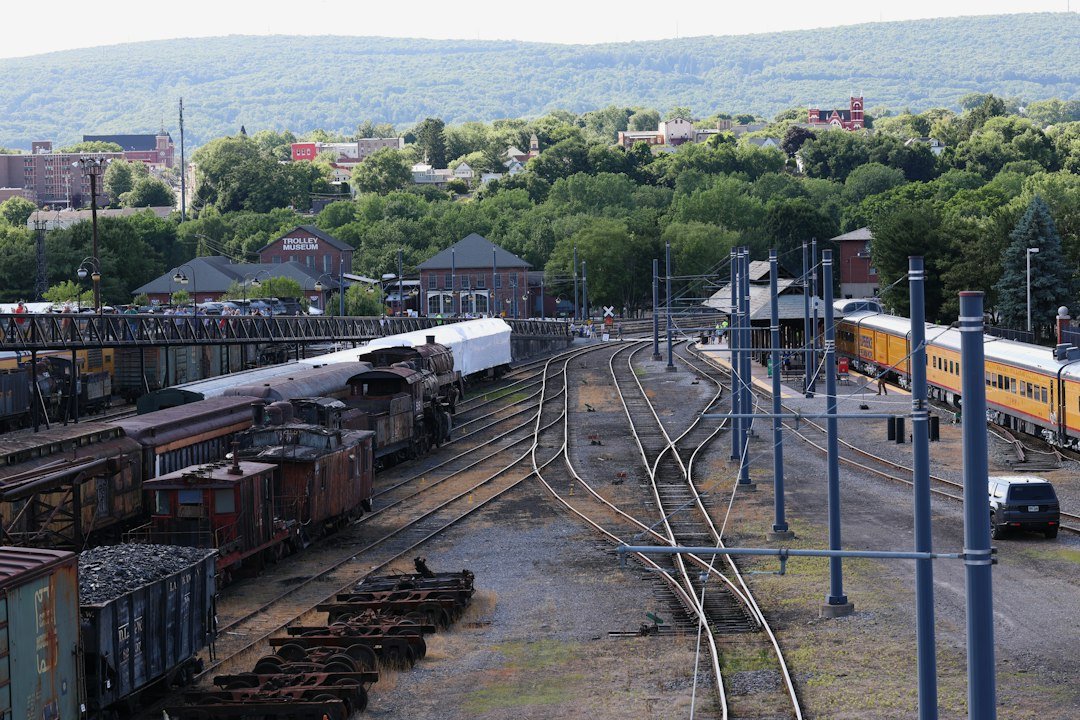
The Reading Railroad and Schuylkill County Coal is an expanded local guide designed to give readers useful context, practical questions, and a clearer connection to Schuylkill County. The article goes beyond a short overview by looking at the historical, community, property, or planning issues that make the Reading Railroad and Schuylkill County coal relevant today.
Historical Context
the Reading Railroad and Schuylkill County coal is easier to understand when placed inside the broader anthracite economy that shaped northeastern Pennsylvania. Mining created work, attracted investment and population, and encouraged transportation systems that connected small mountain communities with much larger markets. Historical Context matters because local events were rarely isolated; they were part of an industrial network involving mines, railroads, workers, owners, courts, merchants, families, and government.
Historical Context also left physical evidence. Rail grades, industrial ruins, mine openings, breaker sites, worker housing, commercial blocks, churches, cemeteries, and altered landscapes can help readers connect written history to actual places. Some sites are preserved and interpreted; others are on private property or unsafe. Historical interest never makes trespassing or entering abandoned structures appropriate.
Anthracite and Industrial Growth
The human side of the Reading Railroad and Schuylkill County coal is just as important as the machinery or famous names. Families built churches, social clubs, businesses, mutual-aid organizations, and neighborhoods around demanding industrial work. Immigration brought different languages, religions, foods, and political traditions into close contact. Those communities helped create the distinctive Coal Region identity still visible in towns across Schuylkill County.
The economic impact of the Reading Railroad and Schuylkill County coal extended beyond the industry itself. Coal supported stores, banks, transportation, construction, professional services, newspapers, and local government revenue. At the same time, dependence on one dominant industry created vulnerability when technology, markets, and production patterns changed. That long economic arc helps explain both the prosperity visible in some historic buildings and the later challenges faced by many communities.
Workers and Communities
When researching the Reading Railroad and Schuylkill County coal, it is important to separate documented evidence from later legend. Newspaper accounts, court records, company documents, maps, cemetery records, government reports, museum collections, and family papers can provide different perspectives. One source may reflect the assumptions or interests of the person who created it. Good local history compares sources and clearly identifies where historians disagree.
Local memory around the Reading Railroad and Schuylkill County coal can be intensely personal. Families may have stories about miners, railroad workers, strikes, accidents, immigration, or particular neighborhoods. Oral history is valuable because it preserves experience that official records may miss, but memories can change across generations. The strongest historical work respects family stories while also checking dates, places, and claims against documentary evidence.
Transportation and Infrastructure
Transportation and Infrastructure also left physical evidence. Rail grades, industrial ruins, mine openings, breaker sites, worker housing, commercial blocks, churches, cemeteries, and altered landscapes can help readers connect written history to actual places. Some sites are preserved and interpreted; others are on private property or unsafe. Historical interest never makes trespassing or entering abandoned structures appropriate.
Visitors interested in the Reading Railroad and Schuylkill County coal should use museums, historic districts, public archives, marked trails, and official heritage attractions whenever possible. Those places provide context and safer access than exploring abandoned industrial property. A well-planned history trip can combine a museum or mine tour with a downtown walk, cemetery research, local food, and a visit to a historical society.
Immigration
The economic impact of the Reading Railroad and Schuylkill County coal extended beyond the industry itself. Coal supported stores, banks, transportation, construction, professional services, newspapers, and local government revenue. At the same time, dependence on one dominant industry created vulnerability when technology, markets, and production patterns changed. That long economic arc helps explain both the prosperity visible in some historic buildings and the later challenges faced by many communities.
The reason the Reading Railroad and Schuylkill County coal still matters is that Schuylkill County’s present grew directly from this past. Housing density, road alignments, town rivalries, family names, cultural traditions, and even recreational use of former industrial land all carry traces of the anthracite era. Understanding those connections turns history from a collection of old stories into a way of reading the modern landscape.
Labor and Power
Local memory around the Reading Railroad and Schuylkill County coal can be intensely personal. Families may have stories about miners, railroad workers, strikes, accidents, immigration, or particular neighborhoods. Oral history is valuable because it preserves experience that official records may miss, but memories can change across generations. The strongest historical work respects family stories while also checking dates, places, and claims against documentary evidence.
the Reading Railroad and Schuylkill County coal is easier to understand when placed inside the broader anthracite economy that shaped northeastern Pennsylvania. Mining created work, attracted investment and population, and encouraged transportation systems that connected small mountain communities with much larger markets. Labor and Power matters because local events were rarely isolated; they were part of an industrial network involving mines, railroads, workers, owners, courts, merchants, families, and government.
Technology and Change
Visitors interested in the Reading Railroad and Schuylkill County coal should use museums, historic districts, public archives, marked trails, and official heritage attractions whenever possible. Those places provide context and safer access than exploring abandoned industrial property. A well-planned history trip can combine a museum or mine tour with a downtown walk, cemetery research, local food, and a visit to a historical society.
The human side of the Reading Railroad and Schuylkill County coal is just as important as the machinery or famous names. Families built churches, social clubs, businesses, mutual-aid organizations, and neighborhoods around demanding industrial work. Immigration brought different languages, religions, foods, and political traditions into close contact. Those communities helped create the distinctive Coal Region identity still visible in towns across Schuylkill County.
Architecture and the Landscape
The reason the Reading Railroad and Schuylkill County coal still matters is that Schuylkill County’s present grew directly from this past. Housing density, road alignments, town rivalries, family names, cultural traditions, and even recreational use of former industrial land all carry traces of the anthracite era. Understanding those connections turns history from a collection of old stories into a way of reading the modern landscape.
When researching the Reading Railroad and Schuylkill County coal, it is important to separate documented evidence from later legend. Newspaper accounts, court records, company documents, maps, cemetery records, government reports, museum collections, and family papers can provide different perspectives. One source may reflect the assumptions or interests of the person who created it. Good local history compares sources and clearly identifies where historians disagree.
Primary Sources and Records
the Reading Railroad and Schuylkill County coal is easier to understand when placed inside the broader anthracite economy that shaped northeastern Pennsylvania. Mining created work, attracted investment and population, and encouraged transportation systems that connected small mountain communities with much larger markets. Primary Sources and Records matters because local events were rarely isolated; they were part of an industrial network involving mines, railroads, workers, owners, courts, merchants, families, and government.
Primary Sources and Records also left physical evidence. Rail grades, industrial ruins, mine openings, breaker sites, worker housing, commercial blocks, churches, cemeteries, and altered landscapes can help readers connect written history to actual places. Some sites are preserved and interpreted; others are on private property or unsafe. Historical interest never makes trespassing or entering abandoned structures appropriate.
Local Memory
The human side of the Reading Railroad and Schuylkill County coal is just as important as the machinery or famous names. Families built churches, social clubs, businesses, mutual-aid organizations, and neighborhoods around demanding industrial work. Immigration brought different languages, religions, foods, and political traditions into close contact. Those communities helped create the distinctive Coal Region identity still visible in towns across Schuylkill County.
The economic impact of the Reading Railroad and Schuylkill County coal extended beyond the industry itself. Coal supported stores, banks, transportation, construction, professional services, newspapers, and local government revenue. At the same time, dependence on one dominant industry created vulnerability when technology, markets, and production patterns changed. That long economic arc helps explain both the prosperity visible in some historic buildings and the later challenges faced by many communities.
What Survives Today
When researching the Reading Railroad and Schuylkill County coal, it is important to separate documented evidence from later legend. Newspaper accounts, court records, company documents, maps, cemetery records, government reports, museum collections, and family papers can provide different perspectives. One source may reflect the assumptions or interests of the person who created it. Good local history compares sources and clearly identifies where historians disagree.
Local memory around the Reading Railroad and Schuylkill County coal can be intensely personal. Families may have stories about miners, railroad workers, strikes, accidents, immigration, or particular neighborhoods. Oral history is valuable because it preserves experience that official records may miss, but memories can change across generations. The strongest historical work respects family stories while also checking dates, places, and claims against documentary evidence.
Museums and Historic Sites
Museums and Historic Sites also left physical evidence. Rail grades, industrial ruins, mine openings, breaker sites, worker housing, commercial blocks, churches, cemeteries, and altered landscapes can help readers connect written history to actual places. Some sites are preserved and interpreted; others are on private property or unsafe. Historical interest never makes trespassing or entering abandoned structures appropriate.
Visitors interested in the Reading Railroad and Schuylkill County coal should use museums, historic districts, public archives, marked trails, and official heritage attractions whenever possible. Those places provide context and safer access than exploring abandoned industrial property. A well-planned history trip can combine a museum or mine tour with a downtown walk, cemetery research, local food, and a visit to a historical society.
Common Myths
The economic impact of the Reading Railroad and Schuylkill County coal extended beyond the industry itself. Coal supported stores, banks, transportation, construction, professional services, newspapers, and local government revenue. At the same time, dependence on one dominant industry created vulnerability when technology, markets, and production patterns changed. That long economic arc helps explain both the prosperity visible in some historic buildings and the later challenges faced by many communities.
The reason the Reading Railroad and Schuylkill County coal still matters is that Schuylkill County’s present grew directly from this past. Housing density, road alignments, town rivalries, family names, cultural traditions, and even recreational use of former industrial land all carry traces of the anthracite era. Understanding those connections turns history from a collection of old stories into a way of reading the modern landscape.
How Historians Verify Claims
Local memory around the Reading Railroad and Schuylkill County coal can be intensely personal. Families may have stories about miners, railroad workers, strikes, accidents, immigration, or particular neighborhoods. Oral history is valuable because it preserves experience that official records may miss, but memories can change across generations. The strongest historical work respects family stories while also checking dates, places, and claims against documentary evidence.
the Reading Railroad and Schuylkill County coal is easier to understand when placed inside the broader anthracite economy that shaped northeastern Pennsylvania. Mining created work, attracted investment and population, and encouraged transportation systems that connected small mountain communities with much larger markets. How Historians Verify Claims matters because local events were rarely isolated; they were part of an industrial network involving mines, railroads, workers, owners, courts, merchants, families, and government.
Why the Story Still Matters
Visitors interested in the Reading Railroad and Schuylkill County coal should use museums, historic districts, public archives, marked trails, and official heritage attractions whenever possible. Those places provide context and safer access than exploring abandoned industrial property. A well-planned history trip can combine a museum or mine tour with a downtown walk, cemetery research, local food, and a visit to a historical society.
The human side of the Reading Railroad and Schuylkill County coal is just as important as the machinery or famous names. Families built churches, social clubs, businesses, mutual-aid organizations, and neighborhoods around demanding industrial work. Immigration brought different languages, religions, foods, and political traditions into close contact. Those communities helped create the distinctive Coal Region identity still visible in towns across Schuylkill County.
Frequently Asked Questions
Why does this matter locally?
When researching the Reading Railroad and Schuylkill County coal, it is important to separate documented evidence from later legend. Newspaper accounts, court records, company documents, maps, cemetery records, government reports, museum collections, and family papers can provide different perspectives. One source may reflect the assumptions or interests of the person who created it. Good local history compares sources and clearly identifies where historians disagree.
What should readers verify?
What should readers verify? also left physical evidence. Rail grades, industrial ruins, mine openings, breaker sites, worker housing, commercial blocks, churches, cemeteries, and altered landscapes can help readers connect written history to actual places. Some sites are preserved and interpreted; others are on private property or unsafe. Historical interest never makes trespassing or entering abandoned structures appropriate.
What changes over time?
The economic impact of the Reading Railroad and Schuylkill County coal extended beyond the industry itself. Coal supported stores, banks, transportation, construction, professional services, newspapers, and local government revenue. At the same time, dependence on one dominant industry created vulnerability when technology, markets, and production patterns changed. That long economic arc helps explain both the prosperity visible in some historic buildings and the later challenges faced by many communities.
Where can I find reliable information?
Local memory around the Reading Railroad and Schuylkill County coal can be intensely personal. Families may have stories about miners, railroad workers, strikes, accidents, immigration, or particular neighborhoods. Oral history is valuable because it preserves experience that official records may miss, but memories can change across generations. The strongest historical work respects family stories while also checking dates, places, and claims against documentary evidence.
What mistakes should I avoid?
Visitors interested in the Reading Railroad and Schuylkill County coal should use museums, historic districts, public archives, marked trails, and official heritage attractions whenever possible. Those places provide context and safer access than exploring abandoned industrial property. A well-planned history trip can combine a museum or mine tour with a downtown walk, cemetery research, local food, and a visit to a historical society.
How does this connect to Schuylkill County history?
The reason the Reading Railroad and Schuylkill County coal still matters is that Schuylkill County’s present grew directly from this past. Housing density, road alignments, town rivalries, family names, cultural traditions, and even recreational use of former industrial land all carry traces of the anthracite era. Understanding those connections turns history from a collection of old stories into a way of reading the modern landscape.
How can I learn more locally?
the Reading Railroad and Schuylkill County coal is easier to understand when placed inside the broader anthracite economy that shaped northeastern Pennsylvania. Mining created work, attracted investment and population, and encouraged transportation systems that connected small mountain communities with much larger markets. How can I learn more locally? matters because local events were rarely isolated; they were part of an industrial network involving mines, railroads, workers, owners, courts, merchants, families, and government.
Where can I find related Skook PA NewZ coverage?
The human side of the Reading Railroad and Schuylkill County coal is just as important as the machinery or famous names. Families built churches, social clubs, businesses, mutual-aid organizations, and neighborhoods around demanding industrial work. Immigration brought different languages, religions, foods, and political traditions into close contact. Those communities helped create the distinctive Coal Region identity still visible in towns across Schuylkill County.
Related Local Coverage
Time-sensitive rules, property information, schedules, prices, regulations and event details should always be verified with the responsible source.

0 Comments