
How Anthracite Coal Built Schuylkill County is an in-depth guide for people who want to approach understanding anthracite coal history in Schuylkill County with realistic expectations and a local Schuylkill County perspective. The goal is to organize the questions that matter, explain where older Pennsylvania housing can differ from newer suburban development, and give readers a practical framework for making decisions without pretending every property is the same.
This guide is educational rather than a substitute for property-specific legal, lending, inspection, insurance, tax, engineering, or title advice. Current market conditions, municipal rules, loan requirements, and individual property facts should always be verified with the appropriate professional or official source.
What Anthracite Is
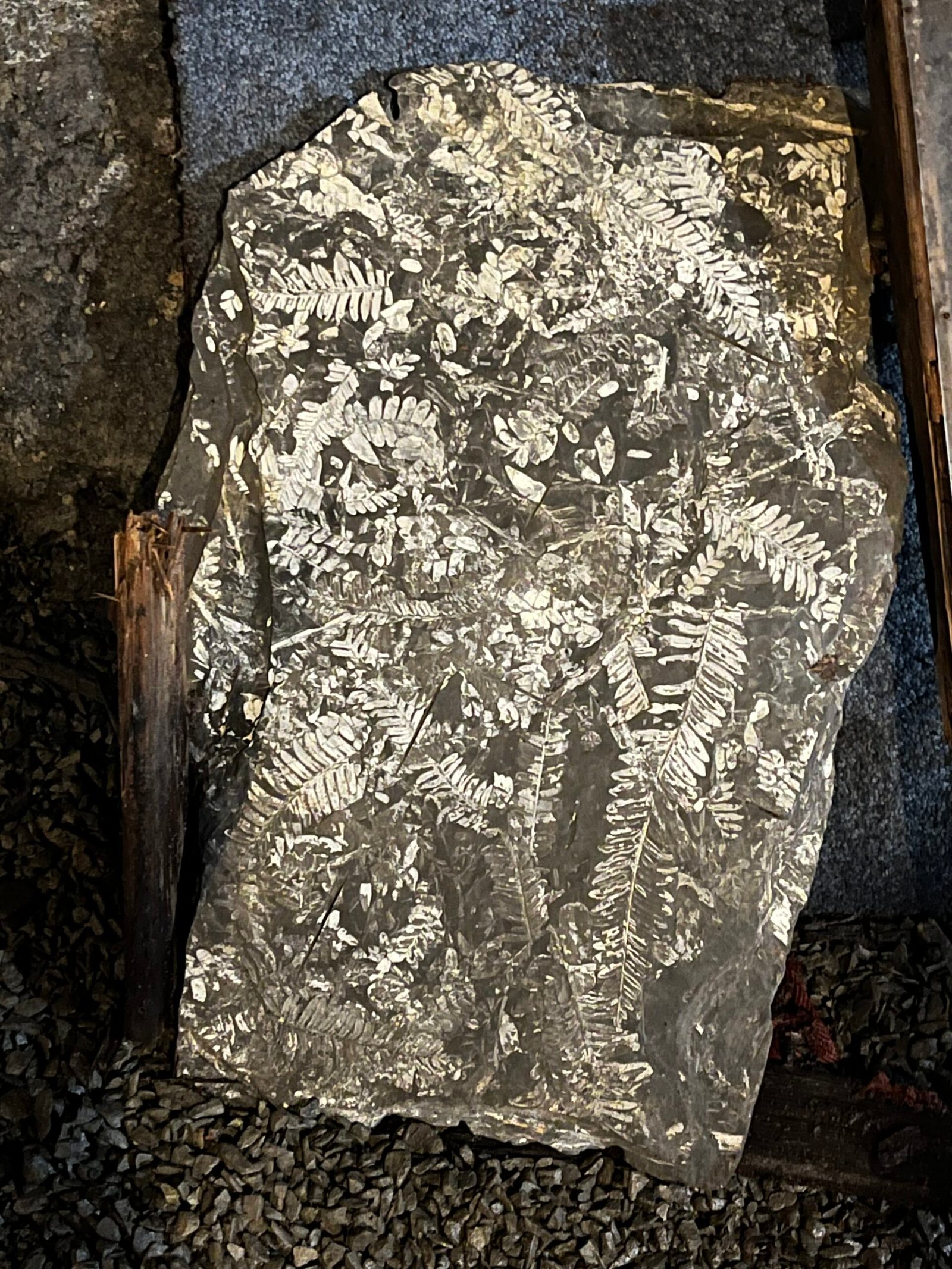
When people research understanding anthracite coal history in Schuylkill County, the first useful step is to separate assumptions from property-specific or place-specific facts. what anthracite is can affect cost, timing, convenience, and long-term satisfaction, but the answer is rarely identical from one block, borough, property, or season to another. In Schuylkill County, older development patterns, mountain geography, varied municipal boundaries, and a wide range of property types make verification especially important. A strong plan starts by identifying what can be confirmed now, what needs professional review, and what may change before a move or transaction is complete.
Timing is another part of what anthracite is. Real-estate decisions often involve lenders, inspectors, appraisers, insurance companies, title professionals, contractors, municipalities, and multiple parties with their own schedules. Starting questions early gives everyone more options. Waiting until the final week of a transaction to investigate a roof, insurance issue, permit question, or moving constraint can turn a manageable issue into a deadline problem.
Why Northeastern Pennsylvania Mattered
Why northeastern Pennsylvania mattered also deserves attention because Schuylkill County is not one uniform market or community. A buyer comparing Pottsville with Orwigsburg, a seller in Tamaqua, and a family looking outside Frackville may be dealing with different housing styles, parking patterns, utility arrangements, road access, and buyer expectations. Broad county averages can be useful for orientation, but they should not replace current comparable properties, municipal records, insurance quotes, inspections, or direct conversations with the professionals handling the transaction.
For people relocating into or out of Schuylkill County, why northeastern Pennsylvania mattered should also be evaluated against everyday routines. Commute time, winter driving, parking, school transportation, access to healthcare, grocery trips, internet availability, and proximity to family may matter more after six months than a feature that looked exciting during a showing. A good move balances the house itself with the life that will happen around it.
Early Mining Growth
A practical way to think about early mining growth is to ask how it affects the next decision. Does it change the budget? Does it create a deadline? Does it require a specialist? Could it affect financing, insurance, resale, maintenance, or daily life? Those questions turn a long checklist into a manageable process. The goal is not to eliminate every unknown. It is to identify the issues that deserve attention before they become expensive surprises.
Sellers should view early mining growth from a buyer’s perspective as well. Features that are familiar to the current owner may be confusing to someone seeing the property for the first time. Clear information about utilities, improvements, parking, access, inclusions, and known maintenance can reduce uncertainty. Strong marketing does not mean hiding complexity; it means presenting the property accurately and helping qualified buyers understand what they are evaluating.
Pottsville And Commercial Development
Local context matters with Pottsville and commercial development. Much of the county’s housing stock developed during periods when anthracite mining, railroads, compact boroughs, and walkable commercial centers shaped construction. That history created durable homes and distinctive neighborhoods, but it also means buyers may encounter systems installed or updated at different times. Sellers may own a property that has been modified by several generations. Documentation, inspection, and realistic expectations are therefore more valuable than judging a home only by cosmetic finishes.
Buyers, meanwhile, benefit from avoiding false precision around Pottsville and commercial development. Online estimates, listing descriptions, tax portals, mapping apps, and public records are useful tools, but none is infallible. Square footage may be measured differently, municipal data can lag behind renovations, map pins can be wrong, and automated estimates do not know the condition of an individual home. Use online information as a starting point and confirm important details through reliable sources.
Shenandoah And Immigration
Timing is another part of Shenandoah and immigration. Real-estate decisions often involve lenders, inspectors, appraisers, insurance companies, title professionals, contractors, municipalities, and multiple parties with their own schedules. Starting questions early gives everyone more options. Waiting until the final week of a transaction to investigate a roof, insurance issue, permit question, or moving constraint can turn a manageable issue into a deadline problem.
Cost planning for Shenandoah and immigration should include more than the purchase price or expected sale proceeds. Inspections, lender costs, title charges, transfer taxes, insurance, repairs, moving expenses, utility setup, deposits, and post-closing projects can all affect cash needs. The exact figures depend on the transaction, so estimates should be updated as real quotes and documents become available.
Mahanoy City And Mining Communities
For people relocating into or out of Schuylkill County, Mahanoy City and mining communities should also be evaluated against everyday routines. Commute time, winter driving, parking, school transportation, access to healthcare, grocery trips, internet availability, and proximity to family may matter more after six months than a feature that looked exciting during a showing. A good move balances the house itself with the life that will happen around it.
The most useful approach to Mahanoy City and mining communities is documentation. Save inspection reports, invoices, permits when available, warranties, survey information, utility details, insurance correspondence, and major repair records. Buyers gain a clearer picture of what they are purchasing, while sellers can answer questions more efficiently. Good records do not make a property perfect, but they make decisions more informed.
Minersville And Western Coal Fields
Sellers should view Minersville and western coal fields from a buyer’s perspective as well. Features that are familiar to the current owner may be confusing to someone seeing the property for the first time. Clear information about utilities, improvements, parking, access, inclusions, and known maintenance can reduce uncertainty. Strong marketing does not mean hiding complexity; it means presenting the property accurately and helping qualified buyers understand what they are evaluating.
Finally, Minersville and western coal fields is easier to manage when everyone knows who is responsible for the next step. The REALTOR®, lender, inspector, title company, attorney when applicable, insurance agent, contractor, and municipality each have different roles. Asking the right person the right question prevents conflicting advice and keeps the transaction moving. A local guide should help readers recognize those roles rather than pretending one article can replace professional property-specific advice.
Ashland And Mine Heritage
Buyers, meanwhile, benefit from avoiding false precision around Ashland and mine heritage. Online estimates, listing descriptions, tax portals, mapping apps, and public records are useful tools, but none is infallible. Square footage may be measured differently, municipal data can lag behind renovations, map pins can be wrong, and automated estimates do not know the condition of an individual home. Use online information as a starting point and confirm important details through reliable sources.
A long-term perspective also helps with Ashland and mine heritage. A home is not only a transaction; it is an asset that requires maintenance and exists within a neighborhood and municipality that will continue changing. Think about future repairs, resale audience, accessibility, storage, parking, energy use, and whether the property can adapt to changing needs. That perspective can improve decisions even when the immediate goal is simply getting through a move or closing.
Frackville And Regional Transportation
Cost planning for Frackville and regional transportation should include more than the purchase price or expected sale proceeds. Inspections, lender costs, title charges, transfer taxes, insurance, repairs, moving expenses, utility setup, deposits, and post-closing projects can all affect cash needs. The exact figures depend on the transaction, so estimates should be updated as real quotes and documents become available.
When people research understanding anthracite coal history in Schuylkill County, the first useful step is to separate assumptions from property-specific or place-specific facts. Frackville and regional transportation can affect cost, timing, convenience, and long-term satisfaction, but the answer is rarely identical from one block, borough, property, or season to another. In Schuylkill County, older development patterns, mountain geography, varied municipal boundaries, and a wide range of property types make verification especially important. A strong plan starts by identifying what can be confirmed now, what needs professional review, and what may change before a move or transaction is complete.
Tamaqua And Rail Connections
The most useful approach to Tamaqua and rail connections is documentation. Save inspection reports, invoices, permits when available, warranties, survey information, utility details, insurance correspondence, and major repair records. Buyers gain a clearer picture of what they are purchasing, while sellers can answer questions more efficiently. Good records do not make a property perfect, but they make decisions more informed.
Tamaqua and rail connections also deserves attention because Schuylkill County is not one uniform market or community. A buyer comparing Pottsville with Orwigsburg, a seller in Tamaqua, and a family looking outside Frackville may be dealing with different housing styles, parking patterns, utility arrangements, road access, and buyer expectations. Broad county averages can be useful for orientation, but they should not replace current comparable properties, municipal records, insurance quotes, inspections, or direct conversations with the professionals handling the transaction.
Workers And Family Life
Finally, workers and family life is easier to manage when everyone knows who is responsible for the next step. The REALTOR®, lender, inspector, title company, attorney when applicable, insurance agent, contractor, and municipality each have different roles. Asking the right person the right question prevents conflicting advice and keeps the transaction moving. A local guide should help readers recognize those roles rather than pretending one article can replace professional property-specific advice.
A practical way to think about workers and family life is to ask how it affects the next decision. Does it change the budget? Does it create a deadline? Does it require a specialist? Could it affect financing, insurance, resale, maintenance, or daily life? Those questions turn a long checklist into a manageable process. The goal is not to eliminate every unknown. It is to identify the issues that deserve attention before they become expensive surprises.
Immigrant Communities
A long-term perspective also helps with immigrant communities. A home is not only a transaction; it is an asset that requires maintenance and exists within a neighborhood and municipality that will continue changing. Think about future repairs, resale audience, accessibility, storage, parking, energy use, and whether the property can adapt to changing needs. That perspective can improve decisions even when the immediate goal is simply getting through a move or closing.
Local context matters with immigrant communities. Much of the county’s housing stock developed during periods when anthracite mining, railroads, compact boroughs, and walkable commercial centers shaped construction. That history created durable homes and distinctive neighborhoods, but it also means buyers may encounter systems installed or updated at different times. Sellers may own a property that has been modified by several generations. Documentation, inspection, and realistic expectations are therefore more valuable than judging a home only by cosmetic finishes.
Churches And Social Organizations
When people research understanding anthracite coal history in Schuylkill County, the first useful step is to separate assumptions from property-specific or place-specific facts. churches and social organizations can affect cost, timing, convenience, and long-term satisfaction, but the answer is rarely identical from one block, borough, property, or season to another. In Schuylkill County, older development patterns, mountain geography, varied municipal boundaries, and a wide range of property types make verification especially important. A strong plan starts by identifying what can be confirmed now, what needs professional review, and what may change before a move or transaction is complete.
Timing is another part of churches and social organizations. Real-estate decisions often involve lenders, inspectors, appraisers, insurance companies, title professionals, contractors, municipalities, and multiple parties with their own schedules. Starting questions early gives everyone more options. Waiting until the final week of a transaction to investigate a roof, insurance issue, permit question, or moving constraint can turn a manageable issue into a deadline problem.
Company Power
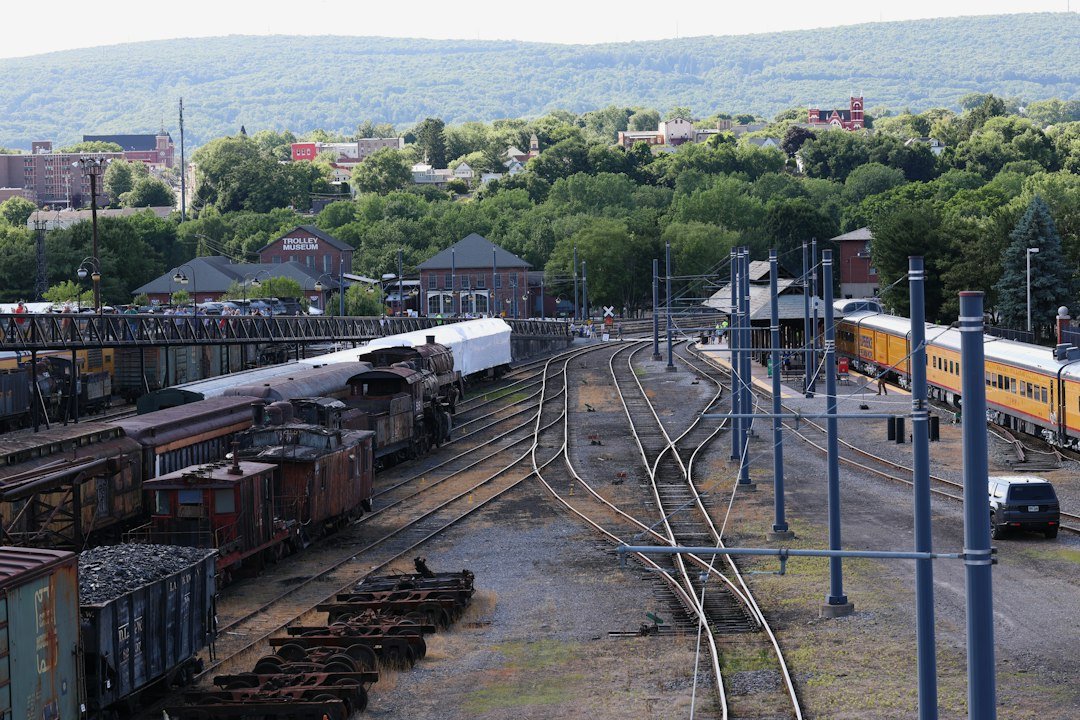
Company power also deserves attention because Schuylkill County is not one uniform market or community. A buyer comparing Pottsville with Orwigsburg, a seller in Tamaqua, and a family looking outside Frackville may be dealing with different housing styles, parking patterns, utility arrangements, road access, and buyer expectations. Broad county averages can be useful for orientation, but they should not replace current comparable properties, municipal records, insurance quotes, inspections, or direct conversations with the professionals handling the transaction.
For people relocating into or out of Schuylkill County, company power should also be evaluated against everyday routines. Commute time, winter driving, parking, school transportation, access to healthcare, grocery trips, internet availability, and proximity to family may matter more after six months than a feature that looked exciting during a showing. A good move balances the house itself with the life that will happen around it.
Mine Safety
A practical way to think about mine safety is to ask how it affects the next decision. Does it change the budget? Does it create a deadline? Does it require a specialist? Could it affect financing, insurance, resale, maintenance, or daily life? Those questions turn a long checklist into a manageable process. The goal is not to eliminate every unknown. It is to identify the issues that deserve attention before they become expensive surprises.
Sellers should view mine safety from a buyer’s perspective as well. Features that are familiar to the current owner may be confusing to someone seeing the property for the first time. Clear information about utilities, improvements, parking, access, inclusions, and known maintenance can reduce uncertainty. Strong marketing does not mean hiding complexity; it means presenting the property accurately and helping qualified buyers understand what they are evaluating.
Child Labor And Breaker Boys
Local context matters with child labor and breaker boys. Much of the county’s housing stock developed during periods when anthracite mining, railroads, compact boroughs, and walkable commercial centers shaped construction. That history created durable homes and distinctive neighborhoods, but it also means buyers may encounter systems installed or updated at different times. Sellers may own a property that has been modified by several generations. Documentation, inspection, and realistic expectations are therefore more valuable than judging a home only by cosmetic finishes.
Buyers, meanwhile, benefit from avoiding false precision around child labor and breaker boys. Online estimates, listing descriptions, tax portals, mapping apps, and public records are useful tools, but none is infallible. Square footage may be measured differently, municipal data can lag behind renovations, map pins can be wrong, and automated estimates do not know the condition of an individual home. Use online information as a starting point and confirm important details through reliable sources.
Coal Breakers
Timing is another part of coal breakers. Real-estate decisions often involve lenders, inspectors, appraisers, insurance companies, title professionals, contractors, municipalities, and multiple parties with their own schedules. Starting questions early gives everyone more options. Waiting until the final week of a transaction to investigate a roof, insurance issue, permit question, or moving constraint can turn a manageable issue into a deadline problem.
Cost planning for coal breakers should include more than the purchase price or expected sale proceeds. Inspections, lender costs, title charges, transfer taxes, insurance, repairs, moving expenses, utility setup, deposits, and post-closing projects can all affect cash needs. The exact figures depend on the transaction, so estimates should be updated as real quotes and documents become available.
Sorting And Processing Coal
For people relocating into or out of Schuylkill County, sorting and processing coal should also be evaluated against everyday routines. Commute time, winter driving, parking, school transportation, access to healthcare, grocery trips, internet availability, and proximity to family may matter more after six months than a feature that looked exciting during a showing. A good move balances the house itself with the life that will happen around it.
The most useful approach to sorting and processing coal is documentation. Save inspection reports, invoices, permits when available, warranties, survey information, utility details, insurance correspondence, and major repair records. Buyers gain a clearer picture of what they are purchasing, while sellers can answer questions more efficiently. Good records do not make a property perfect, but they make decisions more informed.
Railroads And Sidings
Sellers should view railroads and sidings from a buyer’s perspective as well. Features that are familiar to the current owner may be confusing to someone seeing the property for the first time. Clear information about utilities, improvements, parking, access, inclusions, and known maintenance can reduce uncertainty. Strong marketing does not mean hiding complexity; it means presenting the property accurately and helping qualified buyers understand what they are evaluating.
Finally, railroads and sidings is easier to manage when everyone knows who is responsible for the next step. The REALTOR®, lender, inspector, title company, attorney when applicable, insurance agent, contractor, and municipality each have different roles. Asking the right person the right question prevents conflicting advice and keeps the transaction moving. A local guide should help readers recognize those roles rather than pretending one article can replace professional property-specific advice.
Reading Railroad Influence
Buyers, meanwhile, benefit from avoiding false precision around Reading Railroad influence. Online estimates, listing descriptions, tax portals, mapping apps, and public records are useful tools, but none is infallible. Square footage may be measured differently, municipal data can lag behind renovations, map pins can be wrong, and automated estimates do not know the condition of an individual home. Use online information as a starting point and confirm important details through reliable sources.
A long-term perspective also helps with Reading Railroad influence. A home is not only a transaction; it is an asset that requires maintenance and exists within a neighborhood and municipality that will continue changing. Think about future repairs, resale audience, accessibility, storage, parking, energy use, and whether the property can adapt to changing needs. That perspective can improve decisions even when the immediate goal is simply getting through a move or closing.
Canals And Early Transportation
Cost planning for canals and early transportation should include more than the purchase price or expected sale proceeds. Inspections, lender costs, title charges, transfer taxes, insurance, repairs, moving expenses, utility setup, deposits, and post-closing projects can all affect cash needs. The exact figures depend on the transaction, so estimates should be updated as real quotes and documents become available.
When people research understanding anthracite coal history in Schuylkill County, the first useful step is to separate assumptions from property-specific or place-specific facts. canals and early transportation can affect cost, timing, convenience, and long-term satisfaction, but the answer is rarely identical from one block, borough, property, or season to another. In Schuylkill County, older development patterns, mountain geography, varied municipal boundaries, and a wide range of property types make verification especially important. A strong plan starts by identifying what can be confirmed now, what needs professional review, and what may change before a move or transaction is complete.
Labor Organizing
The most useful approach to labor organizing is documentation. Save inspection reports, invoices, permits when available, warranties, survey information, utility details, insurance correspondence, and major repair records. Buyers gain a clearer picture of what they are purchasing, while sellers can answer questions more efficiently. Good records do not make a property perfect, but they make decisions more informed.
Labor organizing also deserves attention because Schuylkill County is not one uniform market or community. A buyer comparing Pottsville with Orwigsburg, a seller in Tamaqua, and a family looking outside Frackville may be dealing with different housing styles, parking patterns, utility arrangements, road access, and buyer expectations. Broad county averages can be useful for orientation, but they should not replace current comparable properties, municipal records, insurance quotes, inspections, or direct conversations with the professionals handling the transaction.
Strikes And Conflict
Finally, strikes and conflict is easier to manage when everyone knows who is responsible for the next step. The REALTOR®, lender, inspector, title company, attorney when applicable, insurance agent, contractor, and municipality each have different roles. Asking the right person the right question prevents conflicting advice and keeps the transaction moving. A local guide should help readers recognize those roles rather than pretending one article can replace professional property-specific advice.
A practical way to think about strikes and conflict is to ask how it affects the next decision. Does it change the budget? Does it create a deadline? Does it require a specialist? Could it affect financing, insurance, resale, maintenance, or daily life? Those questions turn a long checklist into a manageable process. The goal is not to eliminate every unknown. It is to identify the issues that deserve attention before they become expensive surprises.
Molly Maguire Controversy
A long-term perspective also helps with Molly Maguire controversy. A home is not only a transaction; it is an asset that requires maintenance and exists within a neighborhood and municipality that will continue changing. Think about future repairs, resale audience, accessibility, storage, parking, energy use, and whether the property can adapt to changing needs. That perspective can improve decisions even when the immediate goal is simply getting through a move or closing.
Local context matters with Molly Maguire controversy. Much of the county’s housing stock developed during periods when anthracite mining, railroads, compact boroughs, and walkable commercial centers shaped construction. That history created durable homes and distinctive neighborhoods, but it also means buyers may encounter systems installed or updated at different times. Sellers may own a property that has been modified by several generations. Documentation, inspection, and realistic expectations are therefore more valuable than judging a home only by cosmetic finishes.
Courts And Policing
When people research understanding anthracite coal history in Schuylkill County, the first useful step is to separate assumptions from property-specific or place-specific facts. courts and policing can affect cost, timing, convenience, and long-term satisfaction, but the answer is rarely identical from one block, borough, property, or season to another. In Schuylkill County, older development patterns, mountain geography, varied municipal boundaries, and a wide range of property types make verification especially important. A strong plan starts by identifying what can be confirmed now, what needs professional review, and what may change before a move or transaction is complete.
Timing is another part of courts and policing. Real-estate decisions often involve lenders, inspectors, appraisers, insurance companies, title professionals, contractors, municipalities, and multiple parties with their own schedules. Starting questions early gives everyone more options. Waiting until the final week of a transaction to investigate a roof, insurance issue, permit question, or moving constraint can turn a manageable issue into a deadline problem.
Housing And Rowhomes
Housing and rowhomes also deserves attention because Schuylkill County is not one uniform market or community. A buyer comparing Pottsville with Orwigsburg, a seller in Tamaqua, and a family looking outside Frackville may be dealing with different housing styles, parking patterns, utility arrangements, road access, and buyer expectations. Broad county averages can be useful for orientation, but they should not replace current comparable properties, municipal records, insurance quotes, inspections, or direct conversations with the professionals handling the transaction.
For people relocating into or out of Schuylkill County, housing and rowhomes should also be evaluated against everyday routines. Commute time, winter driving, parking, school transportation, access to healthcare, grocery trips, internet availability, and proximity to family may matter more after six months than a feature that looked exciting during a showing. A good move balances the house itself with the life that will happen around it.
Company Towns And Independent Boroughs
A practical way to think about company towns and independent boroughs is to ask how it affects the next decision. Does it change the budget? Does it create a deadline? Does it require a specialist? Could it affect financing, insurance, resale, maintenance, or daily life? Those questions turn a long checklist into a manageable process. The goal is not to eliminate every unknown. It is to identify the issues that deserve attention before they become expensive surprises.
Sellers should view company towns and independent boroughs from a buyer’s perspective as well. Features that are familiar to the current owner may be confusing to someone seeing the property for the first time. Clear information about utilities, improvements, parking, access, inclusions, and known maintenance can reduce uncertainty. Strong marketing does not mean hiding complexity; it means presenting the property accurately and helping qualified buyers understand what they are evaluating.
Downtown Commerce
Local context matters with downtown commerce. Much of the county’s housing stock developed during periods when anthracite mining, railroads, compact boroughs, and walkable commercial centers shaped construction. That history created durable homes and distinctive neighborhoods, but it also means buyers may encounter systems installed or updated at different times. Sellers may own a property that has been modified by several generations. Documentation, inspection, and realistic expectations are therefore more valuable than judging a home only by cosmetic finishes.
Buyers, meanwhile, benefit from avoiding false precision around downtown commerce. Online estimates, listing descriptions, tax portals, mapping apps, and public records are useful tools, but none is infallible. Square footage may be measured differently, municipal data can lag behind renovations, map pins can be wrong, and automated estimates do not know the condition of an individual home. Use online information as a starting point and confirm important details through reliable sources.
Banks And Investment
Timing is another part of banks and investment. Real-estate decisions often involve lenders, inspectors, appraisers, insurance companies, title professionals, contractors, municipalities, and multiple parties with their own schedules. Starting questions early gives everyone more options. Waiting until the final week of a transaction to investigate a roof, insurance issue, permit question, or moving constraint can turn a manageable issue into a deadline problem.
Cost planning for banks and investment should include more than the purchase price or expected sale proceeds. Inspections, lender costs, title charges, transfer taxes, insurance, repairs, moving expenses, utility setup, deposits, and post-closing projects can all affect cash needs. The exact figures depend on the transaction, so estimates should be updated as real quotes and documents become available.
Schools And Civic Institutions
For people relocating into or out of Schuylkill County, schools and civic institutions should also be evaluated against everyday routines. Commute time, winter driving, parking, school transportation, access to healthcare, grocery trips, internet availability, and proximity to family may matter more after six months than a feature that looked exciting during a showing. A good move balances the house itself with the life that will happen around it.
The most useful approach to schools and civic institutions is documentation. Save inspection reports, invoices, permits when available, warranties, survey information, utility details, insurance correspondence, and major repair records. Buyers gain a clearer picture of what they are purchasing, while sellers can answer questions more efficiently. Good records do not make a property perfect, but they make decisions more informed.
Fire Companies
Sellers should view fire companies from a buyer’s perspective as well. Features that are familiar to the current owner may be confusing to someone seeing the property for the first time. Clear information about utilities, improvements, parking, access, inclusions, and known maintenance can reduce uncertainty. Strong marketing does not mean hiding complexity; it means presenting the property accurately and helping qualified buyers understand what they are evaluating.
Finally, fire companies is easier to manage when everyone knows who is responsible for the next step. The REALTOR®, lender, inspector, title company, attorney when applicable, insurance agent, contractor, and municipality each have different roles. Asking the right person the right question prevents conflicting advice and keeps the transaction moving. A local guide should help readers recognize those roles rather than pretending one article can replace professional property-specific advice.
Ethnic Food Traditions
Buyers, meanwhile, benefit from avoiding false precision around ethnic food traditions. Online estimates, listing descriptions, tax portals, mapping apps, and public records are useful tools, but none is infallible. Square footage may be measured differently, municipal data can lag behind renovations, map pins can be wrong, and automated estimates do not know the condition of an individual home. Use online information as a starting point and confirm important details through reliable sources.
A long-term perspective also helps with ethnic food traditions. A home is not only a transaction; it is an asset that requires maintenance and exists within a neighborhood and municipality that will continue changing. Think about future repairs, resale audience, accessibility, storage, parking, energy use, and whether the property can adapt to changing needs. That perspective can improve decisions even when the immediate goal is simply getting through a move or closing.
Cemeteries And Memory
Cost planning for cemeteries and memory should include more than the purchase price or expected sale proceeds. Inspections, lender costs, title charges, transfer taxes, insurance, repairs, moving expenses, utility setup, deposits, and post-closing projects can all affect cash needs. The exact figures depend on the transaction, so estimates should be updated as real quotes and documents become available.
When people research understanding anthracite coal history in Schuylkill County, the first useful step is to separate assumptions from property-specific or place-specific facts. cemeteries and memory can affect cost, timing, convenience, and long-term satisfaction, but the answer is rarely identical from one block, borough, property, or season to another. In Schuylkill County, older development patterns, mountain geography, varied municipal boundaries, and a wide range of property types make verification especially important. A strong plan starts by identifying what can be confirmed now, what needs professional review, and what may change before a move or transaction is complete.
Mine Fires And Subsidence
The most useful approach to mine fires and subsidence is documentation. Save inspection reports, invoices, permits when available, warranties, survey information, utility details, insurance correspondence, and major repair records. Buyers gain a clearer picture of what they are purchasing, while sellers can answer questions more efficiently. Good records do not make a property perfect, but they make decisions more informed.
Mine fires and subsidence also deserves attention because Schuylkill County is not one uniform market or community. A buyer comparing Pottsville with Orwigsburg, a seller in Tamaqua, and a family looking outside Frackville may be dealing with different housing styles, parking patterns, utility arrangements, road access, and buyer expectations. Broad county averages can be useful for orientation, but they should not replace current comparable properties, municipal records, insurance quotes, inspections, or direct conversations with the professionals handling the transaction.
Culm Banks And Spoil Piles
Finally, culm banks and spoil piles is easier to manage when everyone knows who is responsible for the next step. The REALTOR®, lender, inspector, title company, attorney when applicable, insurance agent, contractor, and municipality each have different roles. Asking the right person the right question prevents conflicting advice and keeps the transaction moving. A local guide should help readers recognize those roles rather than pretending one article can replace professional property-specific advice.
A practical way to think about culm banks and spoil piles is to ask how it affects the next decision. Does it change the budget? Does it create a deadline? Does it require a specialist? Could it affect financing, insurance, resale, maintenance, or daily life? Those questions turn a long checklist into a manageable process. The goal is not to eliminate every unknown. It is to identify the issues that deserve attention before they become expensive surprises.
Water And Environmental Impact
A long-term perspective also helps with water and environmental impact. A home is not only a transaction; it is an asset that requires maintenance and exists within a neighborhood and municipality that will continue changing. Think about future repairs, resale audience, accessibility, storage, parking, energy use, and whether the property can adapt to changing needs. That perspective can improve decisions even when the immediate goal is simply getting through a move or closing.
Local context matters with water and environmental impact. Much of the county’s housing stock developed during periods when anthracite mining, railroads, compact boroughs, and walkable commercial centers shaped construction. That history created durable homes and distinctive neighborhoods, but it also means buyers may encounter systems installed or updated at different times. Sellers may own a property that has been modified by several generations. Documentation, inspection, and realistic expectations are therefore more valuable than judging a home only by cosmetic finishes.
Decline Of Deep Mining
When people research understanding anthracite coal history in Schuylkill County, the first useful step is to separate assumptions from property-specific or place-specific facts. decline of deep mining can affect cost, timing, convenience, and long-term satisfaction, but the answer is rarely identical from one block, borough, property, or season to another. In Schuylkill County, older development patterns, mountain geography, varied municipal boundaries, and a wide range of property types make verification especially important. A strong plan starts by identifying what can be confirmed now, what needs professional review, and what may change before a move or transaction is complete.
Timing is another part of decline of deep mining. Real-estate decisions often involve lenders, inspectors, appraisers, insurance companies, title professionals, contractors, municipalities, and multiple parties with their own schedules. Starting questions early gives everyone more options. Waiting until the final week of a transaction to investigate a roof, insurance issue, permit question, or moving constraint can turn a manageable issue into a deadline problem.
Mechanization
Mechanization also deserves attention because Schuylkill County is not one uniform market or community. A buyer comparing Pottsville with Orwigsburg, a seller in Tamaqua, and a family looking outside Frackville may be dealing with different housing styles, parking patterns, utility arrangements, road access, and buyer expectations. Broad county averages can be useful for orientation, but they should not replace current comparable properties, municipal records, insurance quotes, inspections, or direct conversations with the professionals handling the transaction.
For people relocating into or out of Schuylkill County, mechanization should also be evaluated against everyday routines. Commute time, winter driving, parking, school transportation, access to healthcare, grocery trips, internet availability, and proximity to family may matter more after six months than a feature that looked exciting during a showing. A good move balances the house itself with the life that will happen around it.
Changing Energy Markets
A practical way to think about changing energy markets is to ask how it affects the next decision. Does it change the budget? Does it create a deadline? Does it require a specialist? Could it affect financing, insurance, resale, maintenance, or daily life? Those questions turn a long checklist into a manageable process. The goal is not to eliminate every unknown. It is to identify the issues that deserve attention before they become expensive surprises.
Sellers should view changing energy markets from a buyer’s perspective as well. Features that are familiar to the current owner may be confusing to someone seeing the property for the first time. Clear information about utilities, improvements, parking, access, inclusions, and known maintenance can reduce uncertainty. Strong marketing does not mean hiding complexity; it means presenting the property accurately and helping qualified buyers understand what they are evaluating.
Post-Coal Economic Adjustment
Local context matters with post-coal economic adjustment. Much of the county’s housing stock developed during periods when anthracite mining, railroads, compact boroughs, and walkable commercial centers shaped construction. That history created durable homes and distinctive neighborhoods, but it also means buyers may encounter systems installed or updated at different times. Sellers may own a property that has been modified by several generations. Documentation, inspection, and realistic expectations are therefore more valuable than judging a home only by cosmetic finishes.
Buyers, meanwhile, benefit from avoiding false precision around post-coal economic adjustment. Online estimates, listing descriptions, tax portals, mapping apps, and public records are useful tools, but none is infallible. Square footage may be measured differently, municipal data can lag behind renovations, map pins can be wrong, and automated estimates do not know the condition of an individual home. Use online information as a starting point and confirm important details through reliable sources.
Preservation Of Mine Sites
Timing is another part of preservation of mine sites. Real-estate decisions often involve lenders, inspectors, appraisers, insurance companies, title professionals, contractors, municipalities, and multiple parties with their own schedules. Starting questions early gives everyone more options. Waiting until the final week of a transaction to investigate a roof, insurance issue, permit question, or moving constraint can turn a manageable issue into a deadline problem.
Cost planning for preservation of mine sites should include more than the purchase price or expected sale proceeds. Inspections, lender costs, title charges, transfer taxes, insurance, repairs, moving expenses, utility setup, deposits, and post-closing projects can all affect cash needs. The exact figures depend on the transaction, so estimates should be updated as real quotes and documents become available.
Pioneer Tunnel
For people relocating into or out of Schuylkill County, Pioneer Tunnel should also be evaluated against everyday routines. Commute time, winter driving, parking, school transportation, access to healthcare, grocery trips, internet availability, and proximity to family may matter more after six months than a feature that looked exciting during a showing. A good move balances the house itself with the life that will happen around it.
The most useful approach to Pioneer Tunnel is documentation. Save inspection reports, invoices, permits when available, warranties, survey information, utility details, insurance correspondence, and major repair records. Buyers gain a clearer picture of what they are purchasing, while sellers can answer questions more efficiently. Good records do not make a property perfect, but they make decisions more informed.
Historic Rail Corridors
Sellers should view historic rail corridors from a buyer’s perspective as well. Features that are familiar to the current owner may be confusing to someone seeing the property for the first time. Clear information about utilities, improvements, parking, access, inclusions, and known maintenance can reduce uncertainty. Strong marketing does not mean hiding complexity; it means presenting the property accurately and helping qualified buyers understand what they are evaluating.
Finally, historic rail corridors is easier to manage when everyone knows who is responsible for the next step. The REALTOR®, lender, inspector, title company, attorney when applicable, insurance agent, contractor, and municipality each have different roles. Asking the right person the right question prevents conflicting advice and keeps the transaction moving. A local guide should help readers recognize those roles rather than pretending one article can replace professional property-specific advice.
Museums And Archives
Buyers, meanwhile, benefit from avoiding false precision around museums and archives. Online estimates, listing descriptions, tax portals, mapping apps, and public records are useful tools, but none is infallible. Square footage may be measured differently, municipal data can lag behind renovations, map pins can be wrong, and automated estimates do not know the condition of an individual home. Use online information as a starting point and confirm important details through reliable sources.
A long-term perspective also helps with museums and archives. A home is not only a transaction; it is an asset that requires maintenance and exists within a neighborhood and municipality that will continue changing. Think about future repairs, resale audience, accessibility, storage, parking, energy use, and whether the property can adapt to changing needs. That perspective can improve decisions even when the immediate goal is simply getting through a move or closing.
Family Genealogy
Cost planning for family genealogy should include more than the purchase price or expected sale proceeds. Inspections, lender costs, title charges, transfer taxes, insurance, repairs, moving expenses, utility setup, deposits, and post-closing projects can all affect cash needs. The exact figures depend on the transaction, so estimates should be updated as real quotes and documents become available.
When people research understanding anthracite coal history in Schuylkill County, the first useful step is to separate assumptions from property-specific or place-specific facts. family genealogy can affect cost, timing, convenience, and long-term satisfaction, but the answer is rarely identical from one block, borough, property, or season to another. In Schuylkill County, older development patterns, mountain geography, varied municipal boundaries, and a wide range of property types make verification especially important. A strong plan starts by identifying what can be confirmed now, what needs professional review, and what may change before a move or transaction is complete.
Oral Histories
The most useful approach to oral histories is documentation. Save inspection reports, invoices, permits when available, warranties, survey information, utility details, insurance correspondence, and major repair records. Buyers gain a clearer picture of what they are purchasing, while sellers can answer questions more efficiently. Good records do not make a property perfect, but they make decisions more informed.
Oral histories also deserves attention because Schuylkill County is not one uniform market or community. A buyer comparing Pottsville with Orwigsburg, a seller in Tamaqua, and a family looking outside Frackville may be dealing with different housing styles, parking patterns, utility arrangements, road access, and buyer expectations. Broad county averages can be useful for orientation, but they should not replace current comparable properties, municipal records, insurance quotes, inspections, or direct conversations with the professionals handling the transaction.
How To Research Mine Records
Finally, how to research mine records is easier to manage when everyone knows who is responsible for the next step. The REALTOR®, lender, inspector, title company, attorney when applicable, insurance agent, contractor, and municipality each have different roles. Asking the right person the right question prevents conflicting advice and keeps the transaction moving. A local guide should help readers recognize those roles rather than pretending one article can replace professional property-specific advice.
A practical way to think about how to research mine records is to ask how it affects the next decision. Does it change the budget? Does it create a deadline? Does it require a specialist? Could it affect financing, insurance, resale, maintenance, or daily life? Those questions turn a long checklist into a manageable process. The goal is not to eliminate every unknown. It is to identify the issues that deserve attention before they become expensive surprises.
Separating Legend From Evidence
A long-term perspective also helps with separating legend from evidence. A home is not only a transaction; it is an asset that requires maintenance and exists within a neighborhood and municipality that will continue changing. Think about future repairs, resale audience, accessibility, storage, parking, energy use, and whether the property can adapt to changing needs. That perspective can improve decisions even when the immediate goal is simply getting through a move or closing.
Local context matters with separating legend from evidence. Much of the county’s housing stock developed during periods when anthracite mining, railroads, compact boroughs, and walkable commercial centers shaped construction. That history created durable homes and distinctive neighborhoods, but it also means buyers may encounter systems installed or updated at different times. Sellers may own a property that has been modified by several generations. Documentation, inspection, and realistic expectations are therefore more valuable than judging a home only by cosmetic finishes.
Coal Heritage Tourism
When people research understanding anthracite coal history in Schuylkill County, the first useful step is to separate assumptions from property-specific or place-specific facts. coal heritage tourism can affect cost, timing, convenience, and long-term satisfaction, but the answer is rarely identical from one block, borough, property, or season to another. In Schuylkill County, older development patterns, mountain geography, varied municipal boundaries, and a wide range of property types make verification especially important. A strong plan starts by identifying what can be confirmed now, what needs professional review, and what may change before a move or transaction is complete.
Timing is another part of coal heritage tourism. Real-estate decisions often involve lenders, inspectors, appraisers, insurance companies, title professionals, contractors, municipalities, and multiple parties with their own schedules. Starting questions early gives everyone more options. Waiting until the final week of a transaction to investigate a roof, insurance issue, permit question, or moving constraint can turn a manageable issue into a deadline problem.
Why Coal Identity Remains Strong
Why coal identity remains strong also deserves attention because Schuylkill County is not one uniform market or community. A buyer comparing Pottsville with Orwigsburg, a seller in Tamaqua, and a family looking outside Frackville may be dealing with different housing styles, parking patterns, utility arrangements, road access, and buyer expectations. Broad county averages can be useful for orientation, but they should not replace current comparable properties, municipal records, insurance quotes, inspections, or direct conversations with the professionals handling the transaction.
For people relocating into or out of Schuylkill County, why coal identity remains strong should also be evaluated against everyday routines. Commute time, winter driving, parking, school transportation, access to healthcare, grocery trips, internet availability, and proximity to family may matter more after six months than a feature that looked exciting during a showing. A good move balances the house itself with the life that will happen around it.
Frequently Asked Questions
Why was anthracite so important?
A practical way to think about why was anthracite so important? is to ask how it affects the next decision. Does it change the budget? Does it create a deadline? Does it require a specialist? Could it affect financing, insurance, resale, maintenance, or daily life? Those questions turn a long checklist into a manageable process. The goal is not to eliminate every unknown. It is to identify the issues that deserve attention before they become expensive surprises.
Why did so many towns grow close together?
Local context matters with why did so many towns grow close together?. Much of the county’s housing stock developed during periods when anthracite mining, railroads, compact boroughs, and walkable commercial centers shaped construction. That history created durable homes and distinctive neighborhoods, but it also means buyers may encounter systems installed or updated at different times. Sellers may own a property that has been modified by several generations. Documentation, inspection, and realistic expectations are therefore more valuable than judging a home only by cosmetic finishes.
What did a coal breaker do?
Timing is another part of what did a coal breaker do?. Real-estate decisions often involve lenders, inspectors, appraisers, insurance companies, title professionals, contractors, municipalities, and multiple parties with their own schedules. Starting questions early gives everyone more options. Waiting until the final week of a transaction to investigate a roof, insurance issue, permit question, or moving constraint can turn a manageable issue into a deadline problem.
How did railroads change the county?
For people relocating into or out of Schuylkill County, how did railroads change the county? should also be evaluated against everyday routines. Commute time, winter driving, parking, school transportation, access to healthcare, grocery trips, internet availability, and proximity to family may matter more after six months than a feature that looked exciting during a showing. A good move balances the house itself with the life that will happen around it.
Who came to work in the mines?
Sellers should view who came to work in the mines? from a buyer’s perspective as well. Features that are familiar to the current owner may be confusing to someone seeing the property for the first time. Clear information about utilities, improvements, parking, access, inclusions, and known maintenance can reduce uncertainty. Strong marketing does not mean hiding complexity; it means presenting the property accurately and helping qualified buyers understand what they are evaluating.
Were the Molly Maguires real?
Buyers, meanwhile, benefit from avoiding false precision around were the molly maguires real?. Online estimates, listing descriptions, tax portals, mapping apps, and public records are useful tools, but none is infallible. Square footage may be measured differently, municipal data can lag behind renovations, map pins can be wrong, and automated estimates do not know the condition of an individual home. Use online information as a starting point and confirm important details through reliable sources.
Why are there so many rowhomes?
Cost planning for why are there so many rowhomes? should include more than the purchase price or expected sale proceeds. Inspections, lender costs, title charges, transfer taxes, insurance, repairs, moving expenses, utility setup, deposits, and post-closing projects can all affect cash needs. The exact figures depend on the transaction, so estimates should be updated as real quotes and documents become available.
Can you still visit a coal mine?
The most useful approach to can you still visit a coal mine? is documentation. Save inspection reports, invoices, permits when available, warranties, survey information, utility details, insurance correspondence, and major repair records. Buyers gain a clearer picture of what they are purchasing, while sellers can answer questions more efficiently. Good records do not make a property perfect, but they make decisions more informed.
What happened when mining declined?
Finally, what happened when mining declined? is easier to manage when everyone knows who is responsible for the next step. The REALTOR®, lender, inspector, title company, attorney when applicable, insurance agent, contractor, and municipality each have different roles. Asking the right person the right question prevents conflicting advice and keeps the transaction moving. A local guide should help readers recognize those roles rather than pretending one article can replace professional property-specific advice.
Where can I research family coal history?
A long-term perspective also helps with where can i research family coal history?. A home is not only a transaction; it is an asset that requires maintenance and exists within a neighborhood and municipality that will continue changing. Think about future repairs, resale audience, accessibility, storage, parking, energy use, and whether the property can adapt to changing needs. That perspective can improve decisions even when the immediate goal is simply getting through a move or closing.
What physical traces remain?
When people research understanding anthracite coal history in Schuylkill County, the first useful step is to separate assumptions from property-specific or place-specific facts. what physical traces remain? can affect cost, timing, convenience, and long-term satisfaction, but the answer is rarely identical from one block, borough, property, or season to another. In Schuylkill County, older development patterns, mountain geography, varied municipal boundaries, and a wide range of property types make verification especially important. A strong plan starts by identifying what can be confirmed now, what needs professional review, and what may change before a move or transaction is complete.
Why does coal still shape local identity?
Why does coal still shape local identity? also deserves attention because Schuylkill County is not one uniform market or community. A buyer comparing Pottsville with Orwigsburg, a seller in Tamaqua, and a family looking outside Frackville may be dealing with different housing styles, parking patterns, utility arrangements, road access, and buyer expectations. Broad county averages can be useful for orientation, but they should not replace current comparable properties, municipal records, insurance quotes, inspections, or direct conversations with the professionals handling the transaction.
Related Skook PA NewZ Guides
- Browse Coal Region history stories
- Read the coal-breaker guide
- Read about the Reading Railroad and coal
- Explore Molly Maguire sites and history
Last reviewed as a general local guide. Property conditions, prices, taxes, financing rules, insurance requirements, municipal regulations, and market conditions can change. Verify time-sensitive information before making a decision.


0 Comments